Finance · Markets
Singapore Eyes Retail Fund Expansion as Seoul's Leveraged ETF Losses Sound Warning
The Monetary Authority of Singapore proposed opening access to new fund types in July, but South Korea's recent retail trading crisis underscores the need for investor safeguards
KEY TAKEAWAYS
- ·The Monetary Authority of Singapore proposed a more flexible retail fund framework in July, while South Korean retail investors recently suffered steep losses in leveraged ETFs during volatile market conditions.
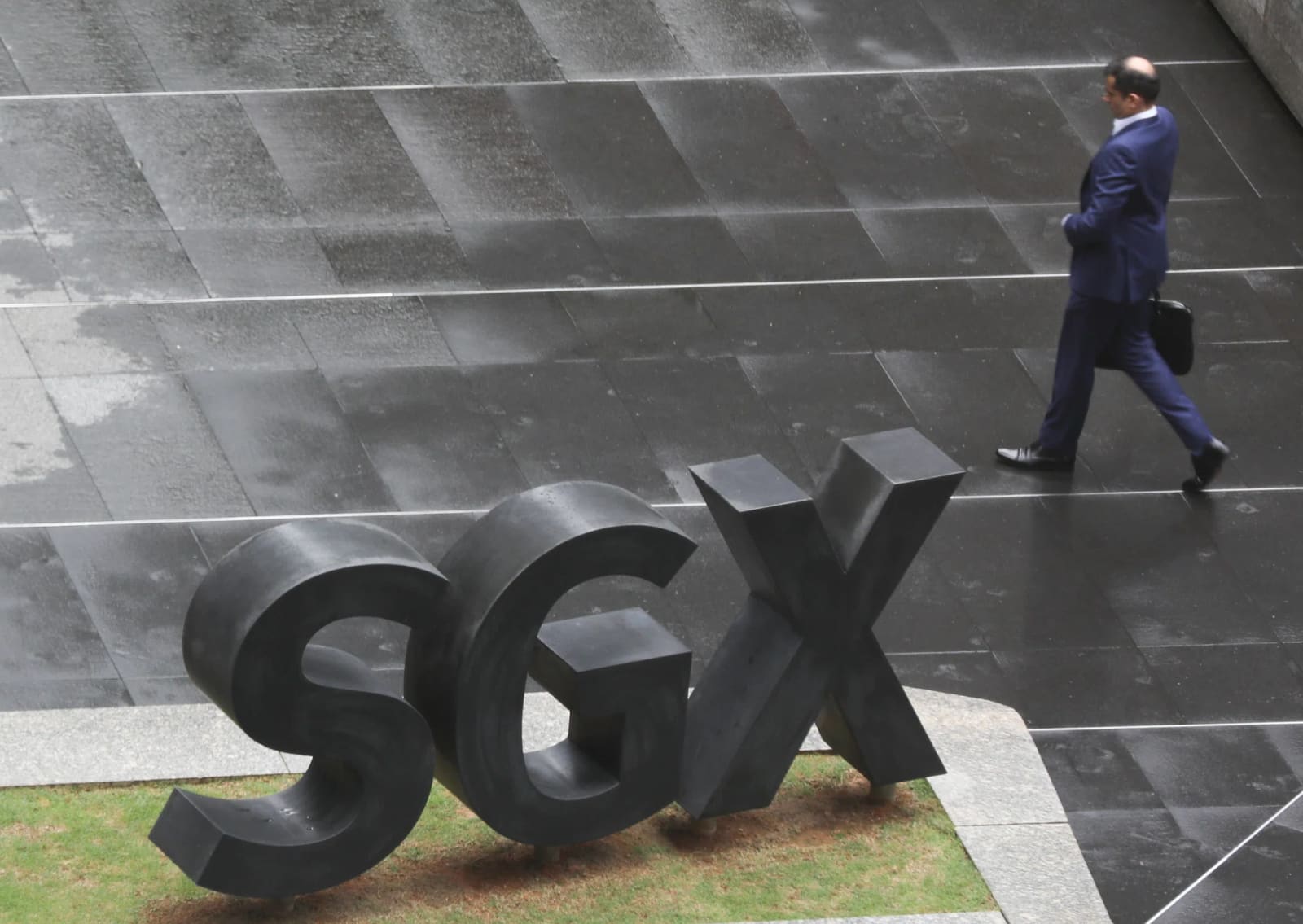
- ·David Gerald of the Securities Investors Association cautioned that listing on the Singapore Exchange should not be mistaken for an endorsement of suitability for all retail investors.
- ·Observers emphasize that expanding retail product access must be paired with robust investor education, clear disclosure requirements, and safeguards to prevent losses from complex instruments.
A Cautionary Tale from Seoul
Singapore's financial regulator is moving to expand the universe of investment products available to retail investors, but a recent crisis in South Korea offers a stark reminder of what can go wrong when sophisticated instruments meet concentrated speculation.
The Monetary Authority of Singapore in July proposed a more flexible framework that could grant retail investors access to new fund types, part of a broader effort to deepen capital markets and offer savers more ways to grow wealth beyond property and deposits. Yet the timing coincides with turbulence across the strait in South Korea, where leveraged exchange-traded funds have left retail traders nursing steep losses after wild market swings.
The contrast is instructive. Singapore's market infrastructure is built for institutional depth, while South Korea's retail trading culture has long been characterized by high turnover and speculative fervor. But observers warn that product proliferation without adequate guardrails can create vulnerabilities even in more conservative markets.
The Risk Equation
Leveraged ETFs amplify daily returns through derivatives, a feature that can magnify gains but also accelerate losses, especially during volatile periods. In South Korea, retail investors piled into these instruments during recent market gyrations, only to face outsized losses when positions moved against them.
The episode has renewed debate over how regulators balance market innovation with investor protection. Singapore, with its emphasis on wealth management and financial hub ambitions, faces a similar calculus as it considers widening the product menu.
David Gerald, founder and CEO of the Securities Investors Association (Singapore), cautioned that listing on the Singapore Exchange should not be conflated with suitability for all retail investors. "Availability on the Singapore Exchange should not be taken as an endorsement of suitability for retail investors - the two issues are quite separate," he said.
That distinction matters. Singapore's market structure has historically leaned on gatekeeping through accredited investor thresholds and product classification, limiting retail exposure to complex instruments. The proposed framework would relax some of those barriers, a shift that could democratize access but also introduce new risks if investors lack the knowledge to navigate them.
Different Markets, Shared Challenges
Singapore's retail trading culture differs markedly from South Korea's. Trading volumes on the Singapore Exchange are dominated by institutions, and retail participation in equities remains relatively muted compared to Seoul, where individual investors account for a significant share of daily turnover.
Yet the gap may be narrowing. The rise of commission-free trading apps and growing interest in passive investment vehicles have brought more retail capital into Singapore's markets. The MAS proposal arrives amid this shift, aiming to offer investors more choice while maintaining the city-state's reputation for prudent regulation.
The South Korean experience suggests that product complexity can outpace investor understanding, particularly when market conditions turn volatile. Leveraged ETFs, by design, reset daily, a mechanic that can erode value over time in choppy markets even if the underlying index remains flat. Retail investors unfamiliar with these dynamics can find themselves caught off guard.
Education and Safeguards
Observers agree that any expansion of retail product access must be accompanied by robust investor education and clear disclosure requirements. The MAS has long emphasized financial literacy, but the introduction of more sophisticated instruments will test the effectiveness of those efforts.
One approach is to layer safeguards into the product design itself, such as requiring investors to pass knowledge assessments before accessing certain fund types. Another is to ensure that marketing materials and platform interfaces clearly communicate the risks and mechanics of complex products, rather than simply highlighting potential returns.
Singapore's regulatory framework already includes measures such as the Specified Investment Products regime, which imposes additional obligations on distributors of higher-risk instruments. Extending and adapting these safeguards to cover new fund types will be critical as the product landscape evolves.
The Broader Implications
The debate over retail fund access touches on broader questions about financial inclusion and market development. Expanding product choice can empower investors and deepen liquidity, but it also places more responsibility on individuals to assess risk and make informed decisions.
For Singapore, the stakes are high. The city-state's ambitions as a wealth management hub depend on maintaining trust and stability, even as it seeks to innovate and compete with regional rivals. South Korea's leveraged ETF episode is a reminder that retail losses can quickly erode confidence and invite regulatory backlash.
As the MAS refines its proposal, the challenge will be to strike a balance that fosters market depth without exposing retail investors to risks they are ill-equipped to manage. The lessons from Seoul are clear: more products can mean more opportunity, but only if the infrastructure for education and protection keeps pace.
RELATED STORIES
Singapore's Retail Fund Push Faces Test as South Korea's Leveraged ETF Losses Mount
Cheng Wei-Lun · 3 min

Hong Kong Pushes Carried Interest Tax Break as Singapore Exempts Fund Manager Profits
Priyanka V. Rao · 3 min

Singapore Debtors Use Fake Divorces to Shield Assets from Creditors
Priyanka V. Rao · 3 min

RoamQR Opens First Latin America Corridor Through Brazil Pix Integration
Priyanka V. Rao · 3 min
Spot something wrong? Email editor@briefasia.com. We log every correction publicly.