Finance · Markets
Hong Kong Pushes Carried Interest Tax Break as Singapore Exempts Fund Manager Profits
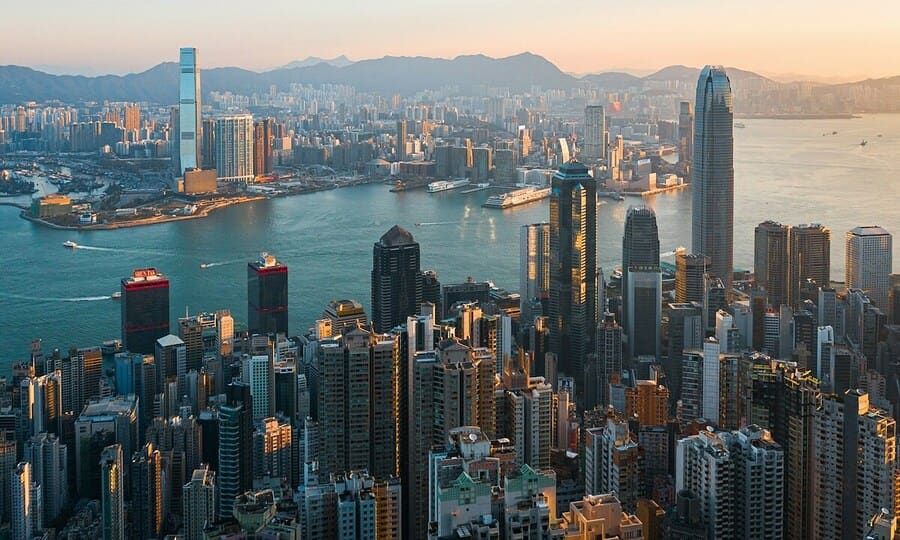
Singapore's Wednesday announcement of tax exemptions for single-family offices intensifies pressure on Hong Kong lawmakers to fast-track their own proposal targeting performance fees
KEY TAKEAWAYS
- ·Singapore announced tax exemptions Wednesday for investment profits earned by single-family office managers and other qualifying funds, intensifying regional competition for asset managers.
- ·Hong Kong's bill submitted in June would exempt carried interest from taxation retroactive to April 2025, creating what the government claims would be the world's lowest effective tax rate for performance-based fund managers.
- ·Hong Kong caps salaries tax at 15 percent and corporate profit tax at 16.5 percent, already below Singapore's 24 percent top personal rate and Western markets that exceed 37 percent.
Singapore Moves First
The Singapore government unveiled a package of measures Wednesday that includes tax exemptions on investment profits for managers of single-family offices and other qualifying funds. Minister for National Development Chee Hong Tat framed the move as part of a broader strategy to strengthen Singapore's position as an international financial center.
The announcement arrives as Hong Kong's legislative process on a similar measure continues. Hong Kong submitted legislation to lawmakers in June that would exempt carried interest from taxation, with a vote expected before year-end. The timing of Singapore's action has prompted Hong Kong financial industry figures to call for acceleration.
The Hong Kong Proposal
Hong Kong's bill targets carried interest, the performance fees that hedge fund and private equity managers earn beyond base management fees. Under the proposal, fund employees would pay no salaries tax on performance fee income, while fund houses would skip profit tax on that same income.
The changes would apply retroactively from April 2025, according to government documents presented to lawmakers. If passed, Hong Kong would claim the world's lowest effective tax rate for managers of hedge funds, private equity funds, and venture capital funds whose compensation is predominantly performance-based, according to the government paper.
Jasmine Lee Shun-yi, vice-president of the Hong Kong Institute of Certified Public Accountants, said Hong Kong needs to move quickly on the proposed law change. She characterized Singapore's announcement as an attempt to match Hong Kong's bill and argued the tax break is vital for Hong Kong to attract global fund managers to establish full operations in the city.
Tax Rate Context
Hong Kong's existing tax structure already offers lower headline rates than many Western financial centers. The city caps salaries tax at a standard rate of 15 percent, while corporate profit tax stands at 16.5 percent.
Singapore's top personal income tax rate is 24 percent, with a corporate tax rate of 17 percent. The United Kingdom levies a 45 percent top personal rate and 25 percent corporate rate. The United States federal top rate is 37 percent for individuals and 21 percent for corporations, though combined federal and state obligations can exceed 50 percent in jurisdictions such as California and New York.
The proposed Hong Kong exemption would effectively zero out taxation on carried interest, creating a gap between the treatment of performance fees and other forms of compensation.
Industry Debate
The Hong Kong bill has drawn mixed reactions within the financial sector. Some market participants argue the exemption is too narrow in scope and may not cover enough fund structures or manager types to make a material difference in competitiveness. Others have raised equity concerns, questioning whether ultra-high-net-worth fund managers should receive tax treatment unavailable to other professionals.
The debate reflects broader tension in Asian financial hubs between attracting mobile capital and talent while maintaining public perception of tax fairness. Carried interest taxation has been contentious in multiple jurisdictions, with critics in the United States and Europe arguing that performance fees should be taxed as ordinary income rather than receiving preferential treatment.
The Regional Race
Both cities are competing for a pool of global asset managers who have increasing flexibility in where they base operations. Asia-Pacific assets under management have grown steadily over the past decade, with family offices and private capital funds expanding their regional footprint.
Hong Kong has historically positioned itself as the gateway to mainland China capital markets, while Singapore has emphasized regulatory stability and a broader Southeast Asian orientation. Tax policy has emerged as a key variable in location decisions, particularly as remote work arrangements and digital infrastructure reduce the friction of moving investment teams across borders.
The retroactive effective date in Hong Kong's proposal signals urgency. Applying the exemption from April 2025 would allow fund managers who relocated or established operations earlier this year to benefit, potentially influencing near-term decisions about office expansions and hiring.
Singapore's package announced Wednesday extends beyond single-family offices but details on scope and eligibility remain limited. The city-state has steadily built its wealth management industry over two decades through a combination of tax incentives, regulatory frameworks tailored to private capital, and infrastructure investments.
Hong Kong's legislative calendar will determine whether the city closes the gap before year-end or whether Singapore's head start translates into tangible wins in fund domiciles and manager relocations. The outcome will shape the competitive landscape for Asian wealth management into 2027 and beyond.
RELATED STORIES
Hong Kong Fund Managers Push for Carried Interest Tax Relief as Singapore Moves First
Cheng Wei-Lun · 3 min
Singapore Moves to Close Asset Management Gap with Hong Kong
Priyanka V. Rao · 3 min
Investment Banks Brace for Talent Drain as Hong Kong Prepares Fund Manager Tax Cuts
Priyanka V. Rao · 4 min
Jardine C&C Exits Singapore and Malaysia Auto Markets in $208M Deal
Priyanka V. Rao · 3 min
Spot something wrong? Email editor@briefasia.com. We log every correction publicly.