Asia · Trade
Oman Floats Voluntary Fee Plan to Resolve Hormuz Strait Standoff
Gulf states back proposal for voluntary shipping contributions as Washington rejects mandatory tolls, while Trump threatens renewed strikes if talks fail
KEY TAKEAWAYS
- ·Oman presented Iran with a Gulf-backed proposal for voluntary shipping fees through the Strait of Hormuz, modeled on the Malacca Strait contribution system, while a US official rejected any tolls outright on July 28.
- ·Iran effectively closed the strait to non-Iranian vessels after February 28 strikes, and the June partial reopening collapsed in early July when Tehran fired on ships using an unapproved channel.
- ·President Trump halted a two-week bombing campaign over July 25-26 but threatened to resume strikes and target Iran's fortified Pickaxe Mountain facility if negotiations fail to deliver an agreement.
A Regional Solution Takes Shape
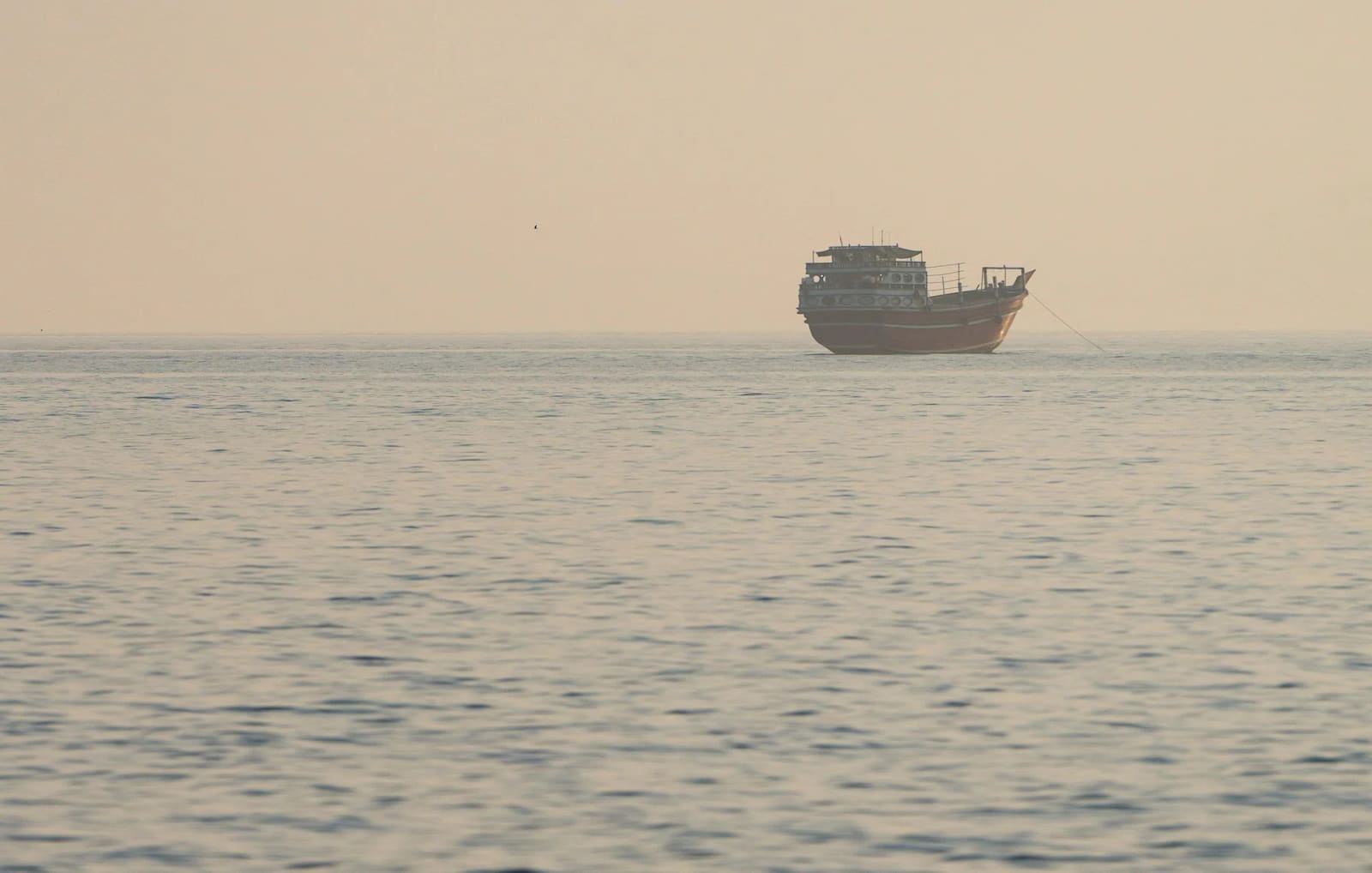
Muscat has delivered a proposal to Tehran that could break the months-long impasse over the Strait of Hormuz, according to a Gulf source and a Western diplomat briefed on the discussions. The plan, backed by Gulf Cooperation Council members, would establish a voluntary fee system for vessels transiting the waterway - one that resembles the contribution mechanism used in the Malacca Strait.
Under the Omani framework, Iran would not exercise sole control over the passage. Instead, fees would be optional, funding navigation services, environmental protection, and search-and-rescue operations. The Western diplomat compared the structure to voluntary carbon offsets for air travel: shippers could opt in, but would not be compelled to pay.
The proposal arrives as Gulf foreign ministers convened by video on July 28 to coordinate on freedom of navigation and vessel safety through the strait. Qatar's Foreign Ministry confirmed the discussions focused on intensifying cooperation around the waterway, which carries roughly one-fifth of global oil and liquefied natural gas flows under normal conditions.
Washington Draws a Hard Line
A US official rejected the notion of any tolls or fees on July 28, stating that the strait remains an international waterway that must stay free of Iranian control or restrictions. The official emphasized that any deal under discussion would exclude charges of any kind.
President Donald Trump, who halted a two-week bombing campaign over the July 25-26 weekend, told Fox News that "good talks" were underway with Iran but warned he would restart strikes if negotiations failed to deliver. Trump singled out Iran's Pickaxe Mountain facility, a fortified underground complex near a key nuclear site, saying the US would "take it out very easily" if no agreement emerged.
Iran has publicly denied seeking fresh negotiations with Washington, accusing the US of violating the June framework agreement that had partially reopened the strait. Tehran effectively closed the passage to non-Iranian vessels after US and Israeli strikes on February 28. A June accord allowed limited resumption of traffic, but collapsed in early July when Iran fired on ships using a channel it does not recognize.
Escalation Continues Across the Region
US Central Command reported on July 28 that Iran launched multiple ballistic missiles in what it described as a surprise attack on American forces in the Middle East; all missiles were intercepted. Saudi Arabia announced the same day that its air defenses destroyed several drones targeting oil facilities, attributing the strikes to Iran-backed militias operating from Iraqi territory.
Drone attacks hit targets in Jordan, Saudi Arabia, and northern Iran on July 27, with Jordan reporting another interception on July 28. The Houthi movement in Yemen, aligned with Tehran, declared a blockade of Saudi Red Sea ports on July 20 and claimed on July 28 to have fired ballistic missiles at a Saudi oil tanker, forcing it to turn back.
Iran's joint military command rejected a Trump proposal to compensate vessel damage using frozen Iranian assets, warning that any country or company accepting such payments would be barred from the strait by Iranian armed forces.
The Malacca Model and Its Limits
The voluntary contribution system in the Malacca Strait, administered jointly by Indonesia, Malaysia, and Singapore, offers a precedent for shared management of a critical chokepoint. Shippers using that passage can opt to fund safety and environmental programs without facing legal obligations.
Applying the model to Hormuz, however, requires navigating deeper political fault lines. Iran's Deputy Foreign Minister Kazem Gharibabadi proposed that Tehran manage one-way traffic through its territorial waters while Oman oversees part of the opposite flow. The Omani plan appears designed to dilute Iranian control while preserving some role for Tehran in waterway administration.
Trump's abrupt halt to the renewed bombing campaign followed military advice that the strategy had reached its limits. Thirteen nights of strikes killed scores in Iran and destroyed infrastructure across the south, prompting Iranian attacks on US bases that killed four service members and strikes on Gulf state civilian targets.
Brent crude futures fell 5.1 percent on July 28 to below 84 dollars per barrel, extending an 8 percent drop the previous day as markets absorbed the pause in hostilities. The decline underscores the premium that had built into oil prices during the confrontation.
What Comes Next
Trump met Israeli Prime Minister Benjamin Netanyahu in Washington on July 28 amid strained relations between the two leaders. Israel participated in the initial February strikes but has been excluded from subsequent peace negotiations.
The Omani proposal now sits with Iranian decision-makers, who must weigh the benefits of a face-saving compromise against the risks of appearing to yield to US pressure. Gulf states, meanwhile, are balancing their security dependence on Washington with economic exposure to any prolonged closure of the strait.
Whether voluntary fees can bridge the gap between Iran's demand for control and Washington's insistence on free passage will determine if the region's most vital shipping lane can return to normal operations - or if the cycle of strikes and counterstrikes resumes.
RELATED STORIES
Tehran Sets Conditions for Strait of Hormuz Access Despite Progress With Muscat
Priyanka V. Rao · 3 min
Iran Courts Asian Powers at SCO and BRICS Summits Amid Hormuz Closure
Priyanka V. Rao · 4 min
Brent Crude Climbs Above $83 as Iran Eyes Strait of Hormuz Toll Plan
Priyanka V. Rao · 3 min
Oil Jumps as Iranian Strikes Target US Installations in the Gulf
Cheng Wei-Lun · 2 min
Spot something wrong? Email editor@briefasia.com. We log every correction publicly.