Finance · Markets
Oil Jumps as Iranian Strikes Target US Installations in the Gulf
Brent crude reaches one-month peak following escalation in Middle East conflict and renewed threats to Hormuz Strait oil transit

KEY TAKEAWAYS
- ·Brent crude climbed 1.2 percent to $92.09 per barrel, the highest intraday price since June 11, after Iran attacked US radar and air defense installations in the Gulf.
- ·Iran detained two oil tankers near the Hormuz Strait, through which one-fifth of global oil supplies transited before the conflict that began in February.
- ·Asian economies face heightened energy security and inflation risks as sustained supply disruptions could delay anticipated central bank rate cuts and raise shipping costs.
Price Surge Follows Military Escalation
Oil prices climbed sharply during Asian trading hours on Tuesday, driven by renewed military action in the Gulf region. Brent crude rose 1.2 percent to $92.09 per barrel, marking its strongest intraday level since mid-June, according to market data. The US benchmark, West Texas Intermediate, advanced 1.1 percent to $85.23 per barrel.
The price movement came after Iran launched attacks on US radar and air defense systems positioned in the Gulf, intensifying a conflict that has already disrupted regional stability for months. Tehran announced it had intercepted and detained two oil tankers attempting to pass through the Hormuz Strait, describing the vessels as "non-compliant" with its transit restrictions.
Strategic Chokepoint Under Pressure
The Hormuz Strait represents one of the world's most critical energy corridors. Before the current conflict began in February, roughly one-fifth of global oil supplies moved through this narrow waterway connecting the Persian Gulf to the Gulf of Oman. Iran has sought to leverage control over the strait as a strategic tool since hostilities with the United States intensified following a joint US-Israeli military operation earlier this year.
The detention of tankers signals Tehran's willingness to enforce its blockade threats, a move that carries immediate implications for Asian energy importers. Major economies including China, Japan, South Korea, and India rely heavily on Middle Eastern crude flowing through this route. Any sustained disruption would force buyers to seek alternative suppliers or pay premium prices for longer shipping routes around Africa.
Market Response Reflects Supply Anxiety
The oil market's rapid response underscores trader concern over potential supply shortages. While Brent has traded in a relatively narrow range for weeks, the latest spike breaks that pattern and suggests investors are repricing risk. Energy analysts note that the combination of infrastructure attacks and tanker seizures creates a more unpredictable environment than earlier phases of the conflict.
Asian trading desks moved quickly to adjust positions, pushing both benchmarks higher in early hours. The rally comes at a time when global oil demand remains robust, particularly across developing Asian economies where industrial activity and transportation fuel consumption continue to grow. Supply tightness in this context amplifies price sensitivity to geopolitical shocks.
Regional Implications
For Asian markets, the escalation carries multiple dimensions of risk. Energy security concerns top the list, but the broader impact on inflation and monetary policy cannot be ignored. Central banks across the region have been navigating a delicate balance between supporting growth and containing price pressures. A sustained rise in crude prices would complicate those calculations, potentially delaying interest rate cuts that markets have been anticipating.
Shipping and logistics costs are also likely to climb if tanker operators demand higher insurance premiums for Gulf transits or reroute vessels entirely. That added expense flows through to importers and ultimately to consumers, creating a secondary inflation channel beyond the direct fuel price effect.
The conflict's trajectory remains uncertain. If Iran maintains its blockade posture and continues targeting US military assets, oil markets may face extended volatility. Conversely, any diplomatic progress or de-escalation could quickly reverse recent gains, leaving traders watching developments closely in the days ahead.
RELATED STORIES
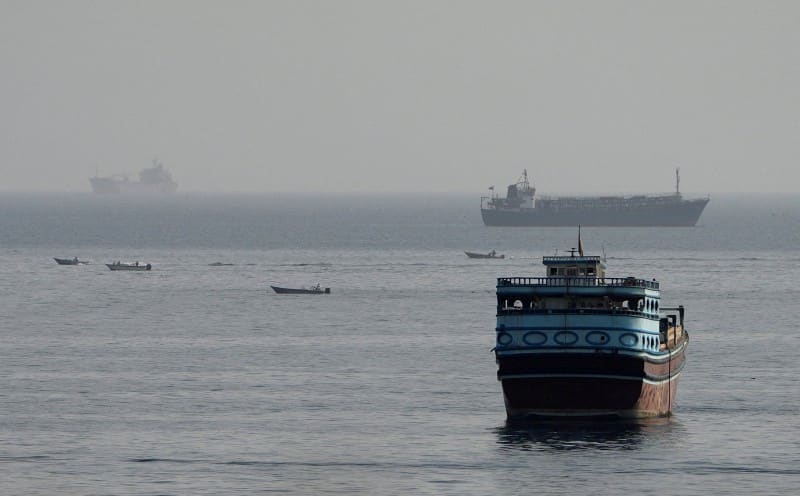
Oil Retreats as Iran-Oman Diplomatic Push Raises Hopes for Strait of Hormuz Reopening
Aiko Nakamura · 3 min
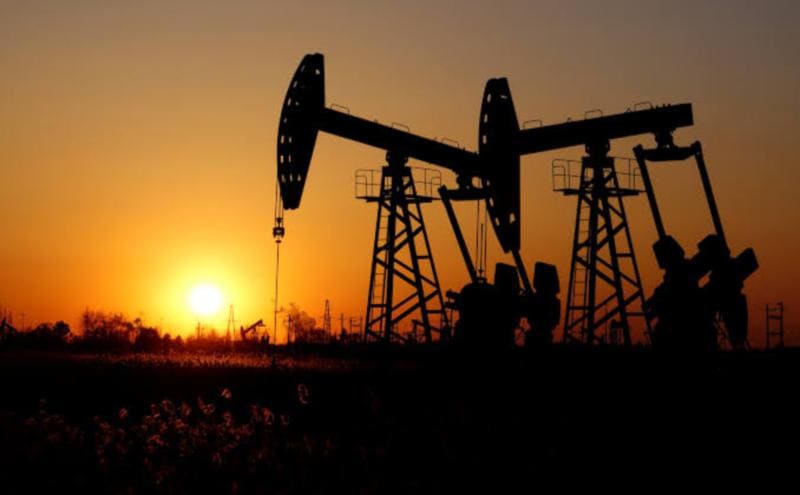
Brent Crude Climbs Past $90 as Hormuz Standoff Deepens
Priyanka V. Rao · 3 min
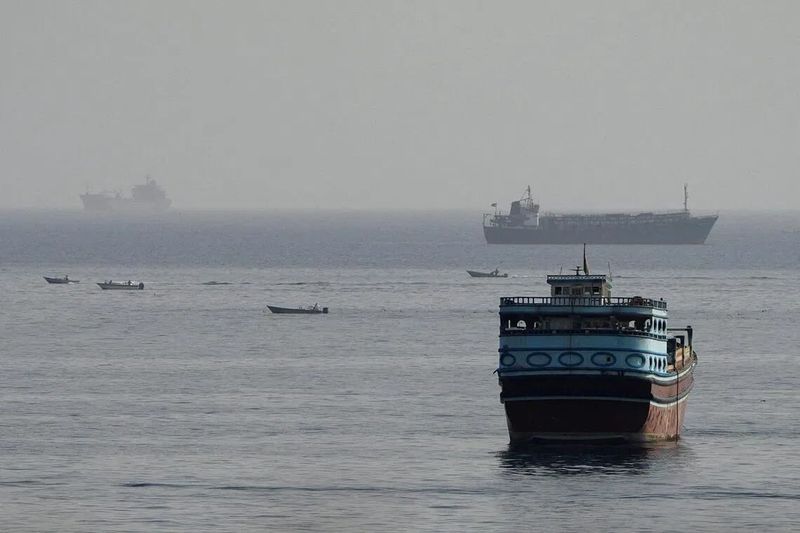
Crude Prices Climb as Iran Tightens Grip on Hormuz Transit
Priyanka V. Rao · 3 min
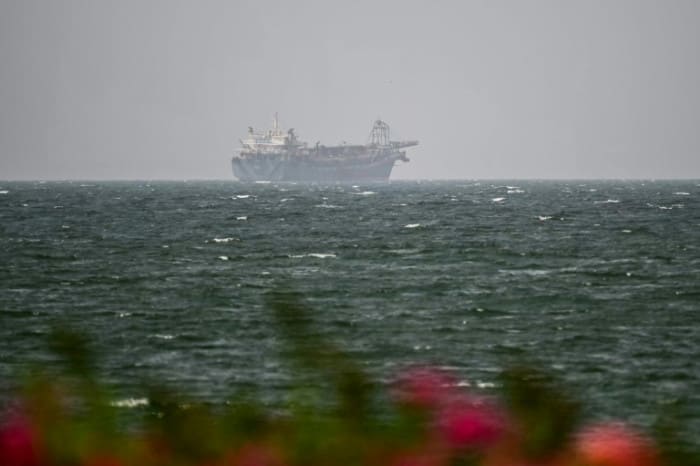
Oil Climbs as Iran Threatens Ship Blockade in Strait of Hormuz
Cheng Wei-Lun · 3 min
Spot something wrong? Email editor@briefasia.com. We log every correction publicly.