Asia · Trade
Brent Crude Climbs Above $83 as Iran Eyes Strait of Hormuz Toll Plan
Tehran is pushing for fees of up to 7 percent on cargo values while threatening fines on vessels it deems hostile, complicating any path to normal tanker traffic through the world's busiest oil chokepoint.
KEY TAKEAWAYS
- ·Brent crude rose 1.2 percent to $83.48 per barrel as Iran advanced a bill to restrict certain vessels from the Strait of Hormuz and fine violators up to 20 percent of cargo value.
- ·Tehran is seeking transit fees between 5 and 7 percent of cargo prices while Oman discusses 3 percent levies, but U.S. sanctions and insurance clauses complicate any workable deal.
- ·Asian refiners and LNG importers face elevated freight and insurance costs as roughly one-fifth of global oil and gas flows through the strait remain uncertain.
Oil Prices Edge Higher on Shipping Uncertainty
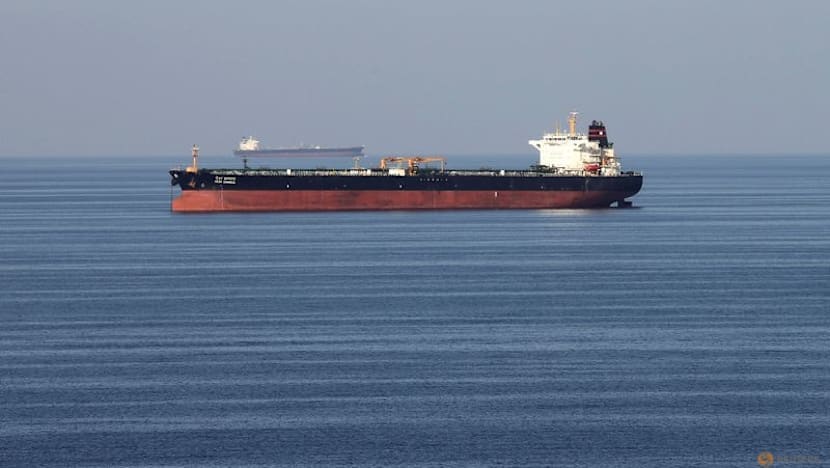
Brent crude futures climbed 99 cents to $83.48 per barrel early Friday, extending a rally that lifted benchmark prices more than $3 a barrel the previous session. West Texas Intermediate added 85 cents to $78.84. The gains reflect renewed anxiety over whether commercial tankers will regain unfettered access to the Strait of Hormuz, through which roughly one-fifth of global oil and liquefied natural gas moved before hostilities erupted in late February.
According to Iran's Fars news agency, a parliamentary committee is reviewing draft legislation that would bar U.S., Israeli and other vessels considered hostile from transiting the strait. The proposed bill would impose fines of up to 20 percent of cargo value on ships that breach the restrictions. At the same time, Tehran is seeking transit fees between 5 and 7 percent of cargo prices, while Oman is discussing levies around 3 percent. Washington has made clear it opposes any fees.
Workability in Doubt
Four industry sources familiar with the negotiations say the proposed arrangement faces serious operational hurdles. U.S. sanctions and restrictive insurance clauses make it difficult for shipowners to remit payments to Iran, and underwriters remain wary of exposing themselves to compliance risk. The result is a fragile equilibrium in which market participants price in the possibility of prolonged disruption rather than a swift return to normal flows.
Brent breached $80 on Thursday for the first time since mid-July, after dipping below that level earlier in the week when a negotiated settlement appeared more likely. According to Tim Waterer, chief market analyst at KCM Trade, traders remember a short-lived arrangement earlier this year and remain skeptical that any new pact will fully restore tanker movements. That caution has kept a floor under prices even as diplomatic efforts continue.
Regional Tensions Persist
Elsewhere in the region, Yemen's Houthis reported carrying out missile and drone strikes against what they described as Saudi deployments in Marib and Hadramout on Thursday. The attacks underscore the broader security environment that complicates shipping and insurance calculations across the Middle East.
U.S. President Donald Trump told reporters Thursday that he expects the conflict to end soon, though he offered no timeline or details. Markets have so far treated such statements with caution, waiting for concrete evidence that safe passage will resume and that the proposed toll system, if implemented, will not add prohibitive costs to crude and LNG shipments bound for Asia and Europe.
Asia's Exposure
The uncertainty weighs especially on Asian refiners and LNG importers, which rely on the strait for a significant share of their energy supplies. Any sustained increase in freight costs or insurance premiums would ripple through spot markets in Singapore, Tokyo and Seoul, tightening margins for buyers already navigating volatile demand and high inventories. Regional traders are monitoring not only the diplomatic track but also alternative routing options, including longer voyages around the Cape of Good Hope, which add days and expense to each cargo.
For now, the combination of legislative moves in Tehran, stalled fee negotiations and sporadic military activity in Yemen is enough to keep risk premiums elevated. Whether prices hold above $80 in the coming weeks will depend on how quickly the parties can bridge their differences and on whether insurers regain confidence that the strait is open for business under terms they can accept.
RELATED STORIES

Oil Slides 4.7% as US-Iran Talks Set to Resume Monday
Cheng Wei-Lun · 3 min

Oil Retreats Five Percent as US-Iran Pause Raises Hope for Strait of Hormuz
Priyanka V. Rao · 3 min
Brent Crude Climbs Past $84 as Hormuz Talks Stall on US Compensation Demand
Priyanka V. Rao · 4 min

Oil Prices Drop 5.5% as Strike Pause Eases Gulf Tensions
Cheng Wei-Lun · 3 min
Spot something wrong? Email editor@briefasia.com. We log every correction publicly.