Asia · Trade
Oil Retreats Five Percent as US-Iran Pause Raises Hope for Strait of Hormuz
Crude prices fell sharply after a weekend halt in hostilities, though shipping through critical Persian Gulf waterway remains far below normal levels

KEY TAKEAWAYS
- ·Brent crude dropped $4.89 to $91.89 per barrel and WTI fell to $84.64 after the US and Iran paused military strikes over the weekend.
- ·Fewer than ten commodity vessels passed through the Strait of Hormuz daily during the pause, far below normal traffic levels.
- ·Analysts expect a slow recovery in shipping as operators demand sustained confidence in safe passage before committing more tankers to the Persian Gulf.
Sharp Decline Following Weekend Truce
Crude prices posted their steepest single-day decline in weeks on Monday after the United States and Iran halted military strikes over the weekend, offering the first real prospect of de-escalation since hostilities began two weeks ago. Brent crude futures dropped $4.89 to $91.89 per barrel by early Asian trading hours, a 5.05 percent decline, while West Texas Intermediate settled at $84.64, down 5.23 percent.
Both benchmarks briefly touched their lowest levels in nearly a week, reversing a three-week rally that had pushed Brent above the $100 threshold. The previous surge came as military exchanges between Washington and Tehran choked off tanker traffic through the Strait of Hormuz, the narrow waterway that handles roughly one-fifth of global oil supply.
The pause follows two weeks of escalating attacks that disrupted shipping not only in the Persian Gulf but also in the Red Sea, where spillover strikes complicated crude exports from Saudi Arabia through the Bab el-Mandeb strait to Asian buyers.
Diplomatic Opening Takes Shape
US Ambassador to the United Nations Mike Waltz told American television networks Sunday that President Donald Trump had authorized a pause in military operations to create space for negotiations. The decision marks a potential turning point in a standoff that had rattled energy markets and raised questions about supply security for Asia's largest economies.
Market analysts view the shift as cautiously positive. The possibility of returning to a 14-point memorandum of understanding between the two nations, with clearer protocols around passage through the Strait of Hormuz, could stabilize the region's oil arteries, according to market observers.
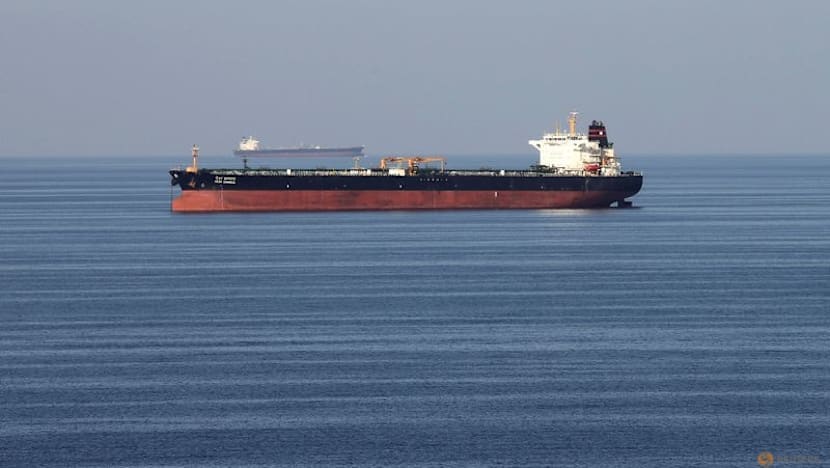
Yet the diplomatic thaw has yet to translate into meaningful recovery in shipping volumes. Fewer than ten commodity vessels transited the Strait of Hormuz daily over the weekend, according to shipping data, a fraction of the normal flow. Many tanker operators remain on the sidelines, unwilling to commit vessels until they see sustained evidence that safe passage can be guaranteed.
Red Sea Risks Persist
Complications in the Red Sea added another layer of uncertainty. Ship traffic through the Bab el-Mandeb strait dropped Sunday after Yemeni Houthi forces struck Saudi oil facilities along the Red Sea coastline. The attacks underscore the fragility of the current pause and the risk that proxy conflicts could reignite broader hostilities.
Still, a third Chinese supertanker successfully exited the Bab el-Mandeb strait over the weekend, a sign that some operators are testing the waters. China remains the largest buyer of Middle Eastern crude, and Beijing has a direct interest in keeping both the Strait of Hormuz and Red Sea lanes open.
Cautious Return to Normalcy
Energy analysts expect any rebound in tanker traffic to be gradual. Shipowners are unlikely to rush vessels back into the Persian Gulf without sustained confidence in security conditions. The memory of recent attacks and the potential for renewed hostilities will weigh on decisions for weeks, even if diplomatic talks advance.
The pause also comes as Asia's refiners face tight crude inventories after weeks of disrupted supply. Any prolonged delay in restoring full shipping capacity could force buyers to draw down strategic reserves or seek alternative suppliers, adding cost and logistical complexity.
For now, markets are pricing in cautious optimism. The five percent drop in crude reflects immediate relief that the worst-case scenario, a full closure of the Strait of Hormuz, appears less likely. But traders remain alert to headlines from Washington, Tehran, and regional actors whose next moves will determine whether this pause becomes a lasting peace or merely a brief intermission.
RELATED STORIES
Brent Crude Climbs Above $83 as Iran Eyes Strait of Hormuz Toll Plan
Priyanka V. Rao · 3 min
Crude Surges Past $90 as Hormuz Talks Stall
Cheng Wei-Lun · 3 min

Trump Announces Plan to Declare Strait of Hormuz US Territory
Priyanka V. Rao · 3 min

Vietnam Cuts Fuel Prices as Global Oil Markets Shift on Supply Expectations
Tran Quoc Bao · 4 min
Spot something wrong? Email editor@briefasia.com. We log every correction publicly.