Asia · Politics
Iran Courts Asian Powers at SCO and BRICS Summits Amid Hormuz Closure
Tehran seeks regional backing to reopen strategic waterway as Washington's influence wanes in the Gulf
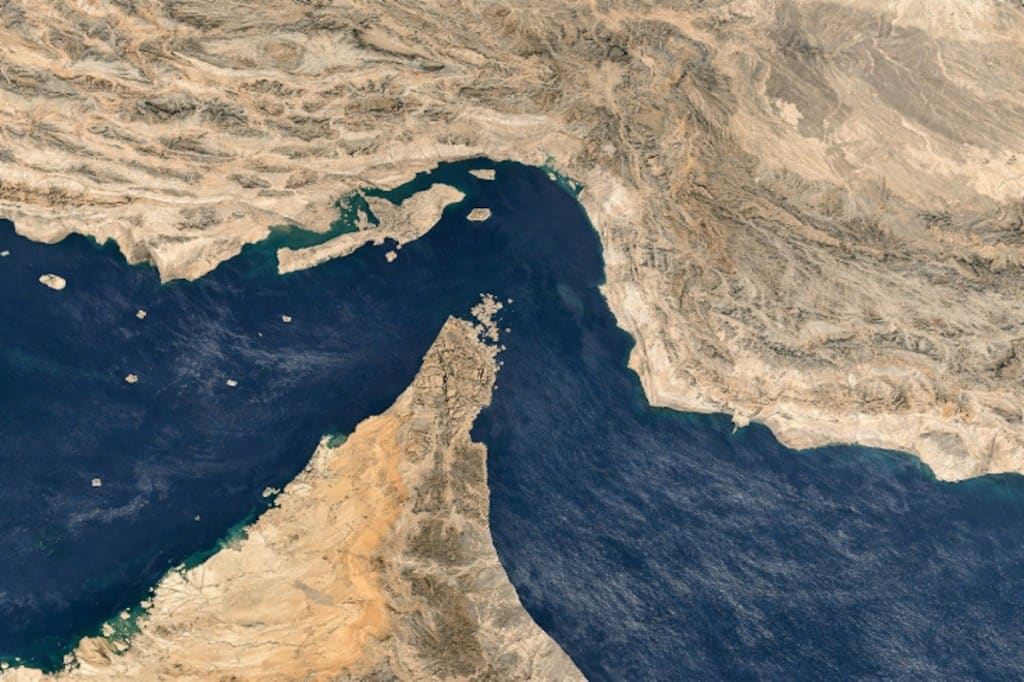
KEY TAKEAWAYS
- ·Iranian leaders will attend SCO and BRICS summits starting August 30 in Bishkek and New Delhi, focused on reopening the Strait of Hormuz, which currently blocks one-fifth of global petroleum flows.
- ·The closure has pushed Brent crude above $95 per barrel and cut Chinese seaborne crude imports by roughly 1.2 million barrels daily, straining Asian economies reliant on Gulf energy.
- ·Asian powers, led by China and India, now drive Gulf diplomacy as U.S. regional influence declines, testing whether economic partnerships can resolve a security crisis Washington has not.
Diplomatic Sprint Across Central and South Asia
Iranian leadership faces a packed diplomatic calendar starting August 30, with consecutive appearances at the Shanghai Cooperation Organization summit in Bishkek and the BRICS gathering in New Delhi. The timing reflects urgency around a single issue that has paralyzed global energy markets: the closure of the Strait of Hormuz, the narrow passage through which roughly one-fifth of the world's petroleum moves each day.
Tehran finds itself in an unusual position. Rather than facing isolation, it will sit alongside presidents and prime ministers who share a mutual dependence. Asian capitals need the strait reopened to secure their energy supplies. Iran needs political cover and economic partnerships that only these regional powers can provide at a moment when Western pressure remains intense.
The Hormuz Bottleneck
The strait has been closed for reasons not detailed in official communiques, but the economic consequences are clear. Benchmark crude prices spiked above $95 per barrel in early August, the highest level since late 2024. Asian refiners in South Korea, Japan, and India have drawn down strategic reserves while scrambling for alternative supplies from the Americas and West Africa, routes that add weeks to shipping schedules and significant costs.
China, the world's largest crude importer, has seen its daily seaborne intake drop by an estimated 1.2 million barrels since the closure began. India's refiners, many of which had increased purchases of discounted Iranian crude over the past year, now face supply gaps that threaten to push domestic fuel prices higher ahead of state elections.
The closure also affects liquefied natural gas exports from Qatar, the world's largest LNG supplier, which relies entirely on Hormuz for shipments to Asia. Spot LNG prices in Northeast Asia have climbed above $14 per million British thermal units, more than double the levels seen in June.
What Asian Partners Bring to the Table
The SCO and BRICS platforms offer Iran something Washington cannot: a framework for negotiation that does not demand regime change or unilateral concessions as a precondition. Both organizations have expanded their membership in recent years, with the SCO adding Iran as a full member in 2023 and BRICS welcoming it alongside Egypt, Ethiopia, and the United Arab Emirates in 2024.
Russia and China, the anchors of both groups, have maintained energy and trade ties with Iran despite U.S. sanctions. Chinese state-owned enterprises continue to develop Iranian oil fields under long-term contracts, while Russian firms have explored joint ventures in petrochemicals. These relationships give Beijing and Moscow leverage in any discussion about Hormuz, leverage that European or American diplomats lack.
India occupies a more complicated position. New Delhi has cultivated ties with Tehran, particularly around the Chabahar port project, which provides India a trade corridor to Afghanistan and Central Asia that bypasses Pakistan. At the same time, India maintains close defense and intelligence partnerships with Washington and Gulf Arab states. Its participation in both summits positions it as a potential mediator, though threading that needle will require careful diplomacy.
Washington's Diminished Role
The fact that Asian capitals are driving this diplomatic effort, rather than the United States or European Union, marks a shift in Gulf security dynamics. For decades, Washington acted as the primary guarantor of freedom of navigation through Hormuz, deploying carrier strike groups and brokering agreements among Gulf states. That model has frayed.
American military presence in the region has thinned as strategic priorities pivot toward the Indo-Pacific and competition with China. Gulf Arab states, once reflexively aligned with U.S. policy on Iran, have pursued their own detente efforts, reopening embassies and signing trade deals with Tehran. The result is a security architecture in which Washington's voice carries less weight than it did a decade ago.
Iran has taken note. By engaging with the SCO and BRICS, Tehran signals that it views Asian powers, not Western ones, as the relevant stakeholders in any resolution. Whether that calculus proves correct depends on how much pressure China and India can bring to bear, and whether they are willing to expend political capital on a issue that carries significant risk.
What Comes Next
The August summits will test whether multilateral frameworks built around economic cooperation can tackle a security crisis. There is no guarantee that talks in Bishkek or New Delhi will produce a breakthrough. Iran's domestic politics remain opaque, and hardliners within the regime may resist any arrangement that appears to favor foreign interests over national sovereignty.
For Asian economies, however, the cost of inaction is mounting. Every week the strait remains closed adds billions of dollars to energy import bills and complicates inflation management for central banks already navigating a fragile global recovery. The diplomatic sprint Tehran embarks on at the end of August will reveal whether regional powers have the influence, and the will, to broker a solution that has so far eluded Washington.
RELATED STORIES
Trump Announces Plan to Declare Strait of Hormuz US Territory
Priyanka V. Rao · 3 min
Tehran Sets Conditions for Strait of Hormuz Access Despite Progress With Muscat
Priyanka V. Rao · 3 min
Brent Crude Jumps 23 Percent as Iran Blocks Hormuz Exit
Priyanka V. Rao · 3 min
Oman Floats Voluntary Fee Plan to Resolve Hormuz Strait Standoff
Priyanka V. Rao · 4 min
Spot something wrong? Email editor@briefasia.com. We log every correction publicly.