Asia · Trade
Tehran Sets Conditions for Strait of Hormuz Access Despite Progress With Muscat
Iranian officials acknowledge shipping corridor negotiations advancing but tie waterway reopening to compensation, sanctions relief, and security guarantees
KEY TAKEAWAYS
- ·Iran and Oman are close to agreeing on revised shipping routes through the Strait of Hormuz, which carried one-fifth of global oil and gas before conflict began in February.
- ·Tehran demands US compensation, sanctions relief, asset releases, and security guarantees before allowing commercial traffic to resume through the waterway.
- ·A UAE tanker was struck by an Iranian missile Saturday while transiting the strait, with no crew injuries reported, as diplomatic signals from Washington suggest a deal may be near.
Technical Talks Advance, Political Barriers Remain
Tehran confirmed Saturday that technical negotiations with Muscat over shipping corridor arrangements in the Strait of Hormuz have made substantial headway, yet Iranian authorities insist reopening the waterway requires Washington to meet a broader set of political and economic demands.
Foreign Minister Abbas Araqhchi said Iran and Oman were nearing consensus on revised maritime traffic patterns through the strait, which divides the two nations. The current separation scheme that governed vessel movements before February no longer satisfies Iranian requirements, according to Araqhchi. Discussions now center on interim routing while permanent legal and technical frameworks are hammered out.
Mohammad Baqer Zolqadr, secretary of Iran's Supreme National Security Council, outlined preconditions for lifting restrictions on commercial traffic. The list includes financial compensation from Washington, termination of what Iran characterizes as hostile posturing, cessation of military action against Iranian interests and allied groups in Lebanon, Palestine, Yemen, and Iraq, plus the lifting of economic sanctions and release of frozen assets.
Energy Corridor Under Strain
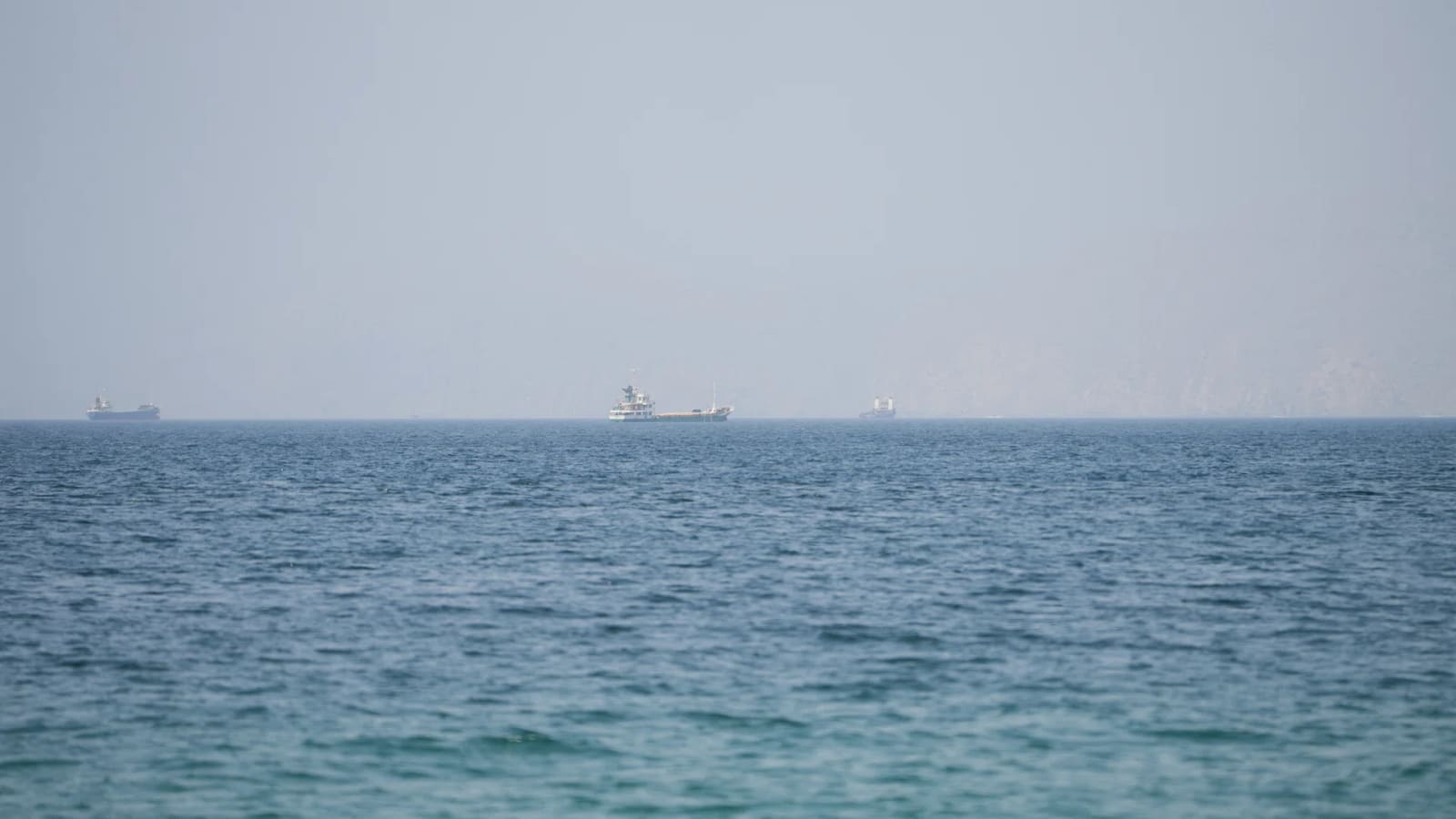
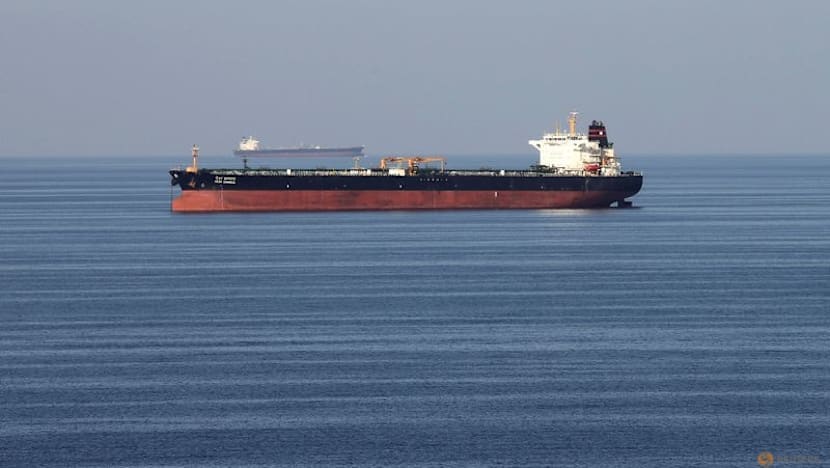
The strait carried roughly one-fifth of global oil and liquefied natural gas shipments before conflict erupted in late February. Hostilities began after coordinated US and Israeli strikes on Iranian targets, prompting Tehran to assert control over the narrow passage linking the Persian Gulf to open ocean. Iranian forces have since targeted vessels attempting transit without authorization and imposed tolls on tankers, disrupting supply chains and pushing energy prices sharply higher.
On Saturday, the United Arab Emirates reported that an Iranian missile struck a tanker affiliated with the UAE national oil company while the vessel was navigating the strait. No crew injuries were recorded. The UK Maritime Trade Operations office noted a fire aboard a ship hit by an unidentified projectile, though the blaze was extinguished without environmental damage. Iranian authorities have not commented on the incident.
US Central Command said Saturday it has allowed more than thirty vessels carrying humanitarian cargo to pass through since implementing its blockade of Iranian ports. American forces have turned back fifty-three ships, disabled two, and boarded two others during the same period.
Diplomatic Signals and Domestic Pressure
Washington indicated Friday that it expects an accord between Tehran and Muscat imminently, which would permit normal oil shipments to resume. A US official, speaking on condition of anonymity, said American measures to lift the Iranian port blockade would be calibrated to Iranian compliance with any agreement reached.
President Masoud Pezeshkian, viewed as a moderate within Iran's political spectrum, expressed optimism that conditions for a settlement are favorable. He pointed to domestic cohesion and what he described as Iran's strengthened position following months of confrontation.
Yet Iranian Revolutionary Guard Corps spokesman Hossein Mohebbi reiterated that waterway access depends entirely on US acceptance of Tehran's terms, not the bilateral shipping route discussions with Oman. The Revolutionary Guards, responsible for enforcing maritime restrictions, have maintained a consistent stance throughout the negotiation process.
Regional Fallout and Competing Narratives
Oman's foreign ministry condemned repeated attacks on vessels transiting the strait without assigning responsibility, describing its negotiations with Iran as positive and constructive. The ministry cautioned against actions that might derail progress or ignore the interests of involved parties.
Prices for food and essential goods inside Iran have climbed steeply since February. At a Saturday press conference, Pezeshkian blamed US actions for import difficulties, making no mention of exemptions for humanitarian shipments that Washington says it has permitted.
Earlier this week, a senior Iranian source and two regional officials told international media that a proposed framework would grant Tehran oversight of inbound Gulf traffic through the strait, a significant shift in control over a corridor long governed by international norms. US officials have repeatedly stated that ceding control of the world's most critical energy route to any single nation is unacceptable, though it remains unclear whether Washington has sought to modify the arrangement under discussion.
The Trump administration has signaled multiple times in recent weeks that a deal might be imminent, only to have Iranian officials deny active talks or clarify that technical discussions do not constitute political agreement. Whether the current round of diplomacy will produce a durable framework remains uncertain, with both economic pressure on Tehran and global energy markets hanging in the balance.
RELATED STORIES
Brent Crude Jumps 23 Percent as Iran Blocks Hormuz Exit
Priyanka V. Rao · 3 min
Oman Floats Voluntary Fee Plan to Resolve Hormuz Strait Standoff
Priyanka V. Rao · 4 min
Brent Crude Climbs Past $84 as Hormuz Talks Stall on US Compensation Demand
Priyanka V. Rao · 4 min
Brent Crude Climbs Above $83 as Iran Eyes Strait of Hormuz Toll Plan
Priyanka V. Rao · 3 min
Spot something wrong? Email editor@briefasia.com. We log every correction publicly.