Technology · Policy
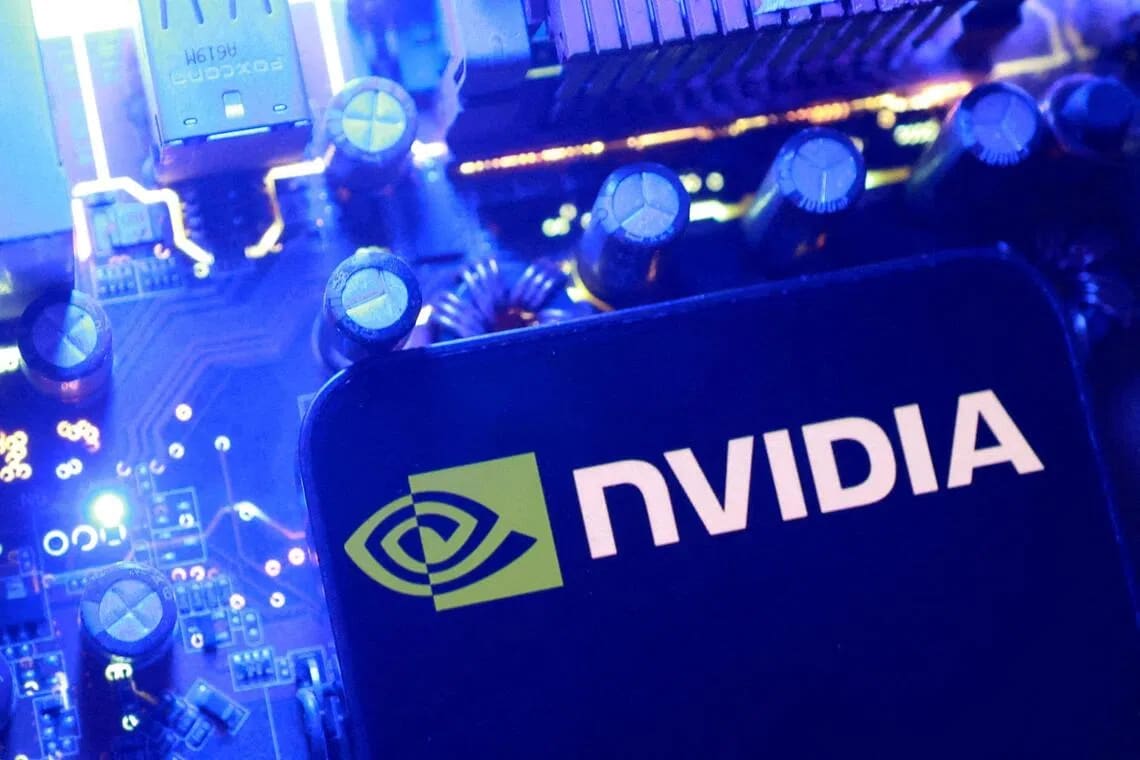
Nvidia Pushes Back on Reports of China-Specific AI Chip Launch
The chipmaker says it has no language processing unit tailored for Chinese customers on its roadmap, contradicting recent reports of year-end shipments
KEY TAKEAWAYS
- ·Nvidia denied reports it will ship a China-specific language processing unit by year-end, stating no such product exists in its roadmap.
- ·The US approved limited H200 chip sales to select Chinese firms including Alibaba and Tencent in May, with deliveries only recently beginning.
- ·CEO Jensen Huang said in May that Nvidia had largely conceded China's AI chip market to Huawei Technologies, now the dominant local player.
Denial Amid Market Speculation
Nvidia flatly rejected claims this week that it intends to roll out a language processing unit designed specifically for Chinese customers before the year closes. A company spokesperson stated that no China-specific LPU product appears anywhere in its current roadmap and that the company has no LPU sales in the Chinese market at present.
The denial came in response to reports suggesting the chipmaker had prepared small-batch shipments of an AI chip tailored to comply with US export controls while serving Chinese demand. Those reports cited company employees claiming several customers had already placed orders for the specialized processor.
What the Disputed Chip Was Supposed to Be
The product in question was described as a variant of Nvidia's language processing unit, a processor that works in tandem with graphics processing units to accelerate responses from AI chatbots. The technology reportedly drew on intellectual property licensed from startup Groq, a firm focused on inference acceleration.
According to the initial claims, Nvidia had modified software to enable the LPU to function with processors available in the Chinese market after its next-generation Vera Rubin AI system fell under US export restrictions. The modifications were said to keep the chip within the boundaries of American export-control regulations while addressing demand for inference hardware in China.
A Market in Flux
Nvidia's position in China has shifted considerably over the past year. In May, the US government approved limited sales of the company's H200 AI chips to a select group of Chinese technology firms, including Alibaba, Tencent, and ByteDance. Deliveries of those chips only began recently, reflecting the slow pace of regulatory clearance.
The company has also been promoting its Vera CPU to Chinese customers, though the broader landscape remains constrained by Washington's technology export policies. Those restrictions have created a fragmented market where approvals are granted on a case-by-case basis rather than through blanket permissions.
Huawei's Growing Shadow
CEO Jensen Huang acknowledged in May that Nvidia had "largely conceded" China's AI chip market to Huawei Technologies, the Shenzhen-based firm that has emerged as the dominant local player in advanced semiconductors. Huawei's chips, developed in-house and manufactured through domestic foundries, have gained traction among Chinese AI labs and cloud providers seeking alternatives to foreign suppliers.
The concession marks a significant strategic retreat for Nvidia, which had previously held a commanding share of China's AI accelerator market before export controls tightened. Huawei's rise has been supported by Beijing's push for semiconductor self-sufficiency, with state-backed funding flowing into domestic chip design and manufacturing.
Export Controls and Competitive Pressure
US export restrictions have reshaped the competitive dynamics of the AI chip market in Asia. The controls, aimed at limiting China's access to cutting-edge computing hardware, have forced American chipmakers to develop downgraded products that comply with performance thresholds set by Washington.
Nvidia has navigated this environment by creating variants of its flagship products with reduced capabilities, though even those face uncertain regulatory approval. The H200 clearances for a handful of Chinese firms represent a narrow opening rather than a broad market access strategy.
Meanwhile, Chinese firms have accelerated their own chip development efforts, with companies like Alibaba and Baidu investing heavily in custom AI processors. These efforts, combined with Huawei's advances, have eroded Nvidia's market position even as global demand for its chips remains robust.
What Comes Next
The dispute over the LPU report highlights the uncertainty surrounding Nvidia's China strategy. The company's denial suggests it is not pursuing a dedicated China product line for language processing, though it continues to seek approval for modified versions of existing chips.
For now, Nvidia's China business remains a patchwork of limited approvals, custom solutions for specific customers, and competition from a rapidly advancing domestic industry. The chipmaker's roadmap for the region will likely continue to be shaped more by Washington's export policies than by its own product development timelines.
RELATED STORIES
Cambricon Pushes Sixth-Generation AI Chip to Challenge Training Bottlenecks
Cheng Wei-Lun · 4 min
China's Largest Power Utility Courts Huawei for AI Infrastructure Partnership
Cheng Wei-Lun · 3 min

Ubtech and Unitree Share Beijing Robot Spotlight as Nvidia Executives Appear
Cheng Wei-Lun · 3 min

Honor Ships Gimbal-Equipped Smartphone to Market After Concept Phase
Cheng Wei-Lun · 4 min
Spot something wrong? Email editor@briefasia.com. We log every correction publicly.