Technology · Products
LG Electronics Logs Record Appliance Subscription Revenue in First Half
The South Korean tech giant's subscription model brought in 1.15 trillion won in H1 2026, driven by housing partnerships and international expansion.
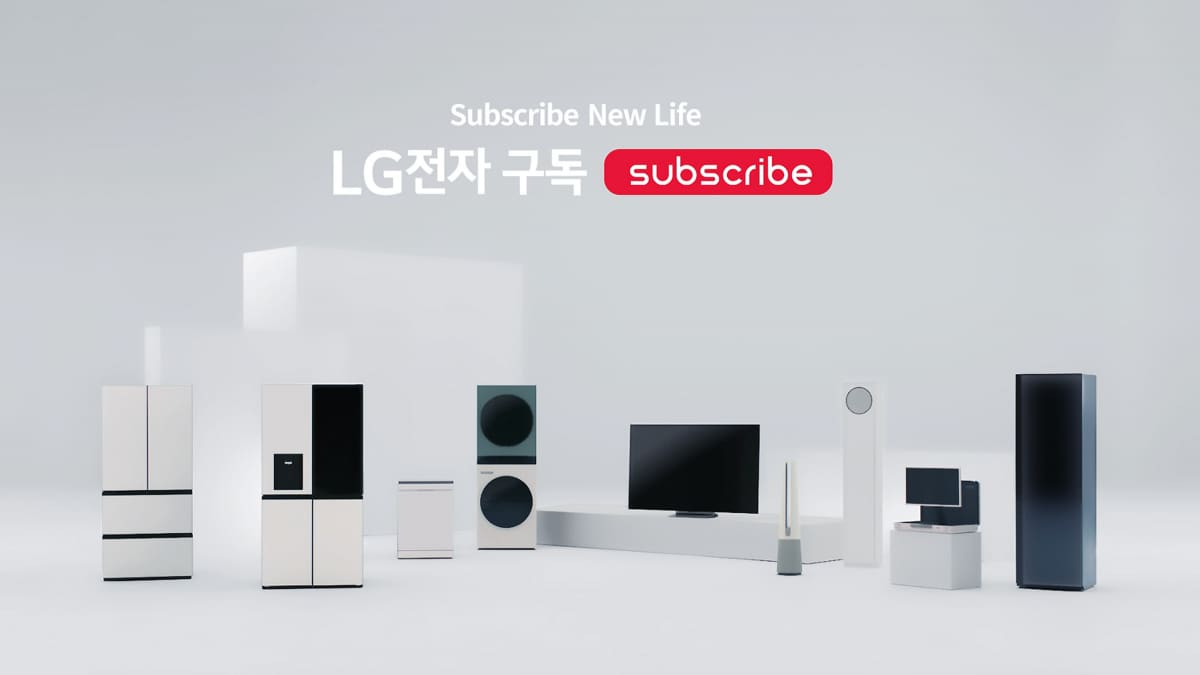
KEY TAKEAWAYS
- ·LG Electronics reported 1.15 trillion won in appliance subscription revenue for the first half of 2026, an 8.2 percent increase from the prior year and more than triple the 2022 level.
- ·Growth has been driven by partnerships with property developers in South Korea and pilot programs in Singapore, Thailand, and the Middle East, where retention rates exceed 80 percent.
- ·The subscription model shifts LG toward recurring revenue and deeper customer data, but requires significant upfront capital and exposes the company to churn and regulatory risks in new markets.
Subscription Model Gains Traction
LG Electronics posted 1.15 trillion won ($820 million) in appliance subscription revenue for the first six months of 2026, marking the highest half-year figure the company has recorded, according to LG Electronics. The revenue stream, which excludes care and maintenance services, climbed 8.2 percent from 1.06 trillion won in the same period a year earlier and stands at 3.1 times the level seen in 2022.
The subscription business allows customers to pay monthly fees for washing machines, refrigerators, air purifiers, and other home appliances rather than purchasing them outright. LG introduced the model in South Korea several years ago and has steadily expanded its reach, embedding it into large-scale residential projects and pushing into international markets where ownership models are shifting.
Housing Projects Drive Growth
A significant portion of the revenue increase stems from partnerships with property developers and bulk installations in apartment complexes. New residential towers in Seoul, Busan, and satellite cities around the capital region have adopted LG's subscription packages as standard offerings for tenants, reducing upfront costs for residents while locking in recurring revenue for the manufacturer.
The model appeals particularly to younger households and renters who prefer flexibility over ownership. Monthly fees typically range from 20,000 to 50,000 won per appliance, depending on the product tier and contract length. LG handles maintenance, repairs, and eventual upgrades, which shifts the burden of product lifecycle management away from the consumer.
Overseas Expansion Accelerates
LG has also rolled out subscription services in select markets outside South Korea, including Singapore, Thailand, and parts of the Middle East. The company views the model as a strategic tool to deepen customer relationships in regions where brand loyalty is still being established and where per-capita income levels make upfront purchases a barrier.
In Singapore, LG partnered with property management firms to offer subscription bundles to condominium residents. In Thailand, the company is testing the model with urban apartments in Bangkok and Chiang Mai. Early data from these pilots shows retention rates above 80 percent after the first contract renewal, a figure LG considers promising for long-term scalability.
Recurring Revenue Reshapes Business Model
The subscription approach represents a shift in how LG structures its appliance business. Traditional sales generate one-time revenue spikes, but subscriptions create predictable cash flow and allow the company to capture value over the full product lifespan. The model also generates data on usage patterns, failure rates, and customer preferences, which feed back into product development and inventory planning.
LG's home appliance division has been under pressure to differentiate in a crowded market where price competition from Chinese manufacturers has squeezed margins. Subscriptions offer a way to compete on service and convenience rather than sticker price alone, particularly in premium segments where LG positions its ThinQ smart appliances.
Challenges Ahead
Scaling the subscription model requires significant upfront capital. LG must purchase and deploy appliances before revenue begins to flow, and the payback period can stretch over several years. The company also bears the cost of maintenance, logistics, and eventual disposal, which can erode margins if not managed tightly.
Customer retention is another variable. If subscribers cancel early or switch to competitors, the economics break down. LG has introduced incentives such as discounted upgrades and bundled smart home services to keep customers engaged, but the long-term churn rate in newer markets remains uncertain.
Regulatory questions around ownership, data privacy, and consumer rights in subscription models are also emerging in some jurisdictions. LG will need to navigate evolving rules as governments clarify how appliance-as-a-service fits into existing consumer protection frameworks.
What Comes Next
LG plans to deepen its subscription footprint in existing markets and explore additional geographies where urbanization and rising middle-class populations align with the model's economics. The company is also experimenting with tiered packages that bundle appliances with energy management software and smart home integrations, aiming to increase average revenue per user.
The first-half results suggest the subscription business is moving from pilot phase to core revenue stream. Whether it can sustain growth as competition intensifies and market saturation sets in will depend on LG's ability to maintain service quality, manage costs, and continue signing large-scale housing and commercial partnerships across Asia and beyond.
RELATED STORIES
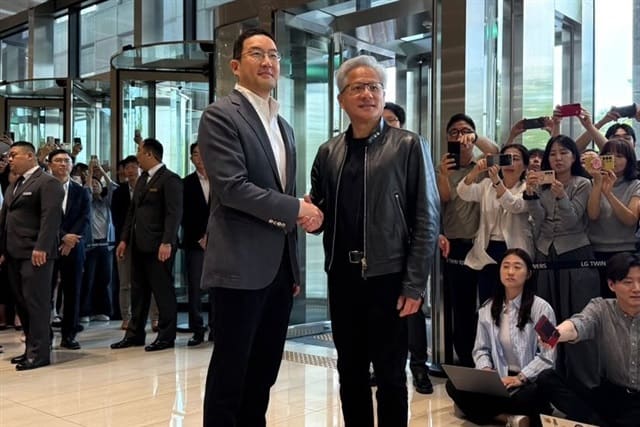
Nvidia Executive to Tour LG's Seoul Robot Data Facility
Cheng Wei-Lun · 3 min
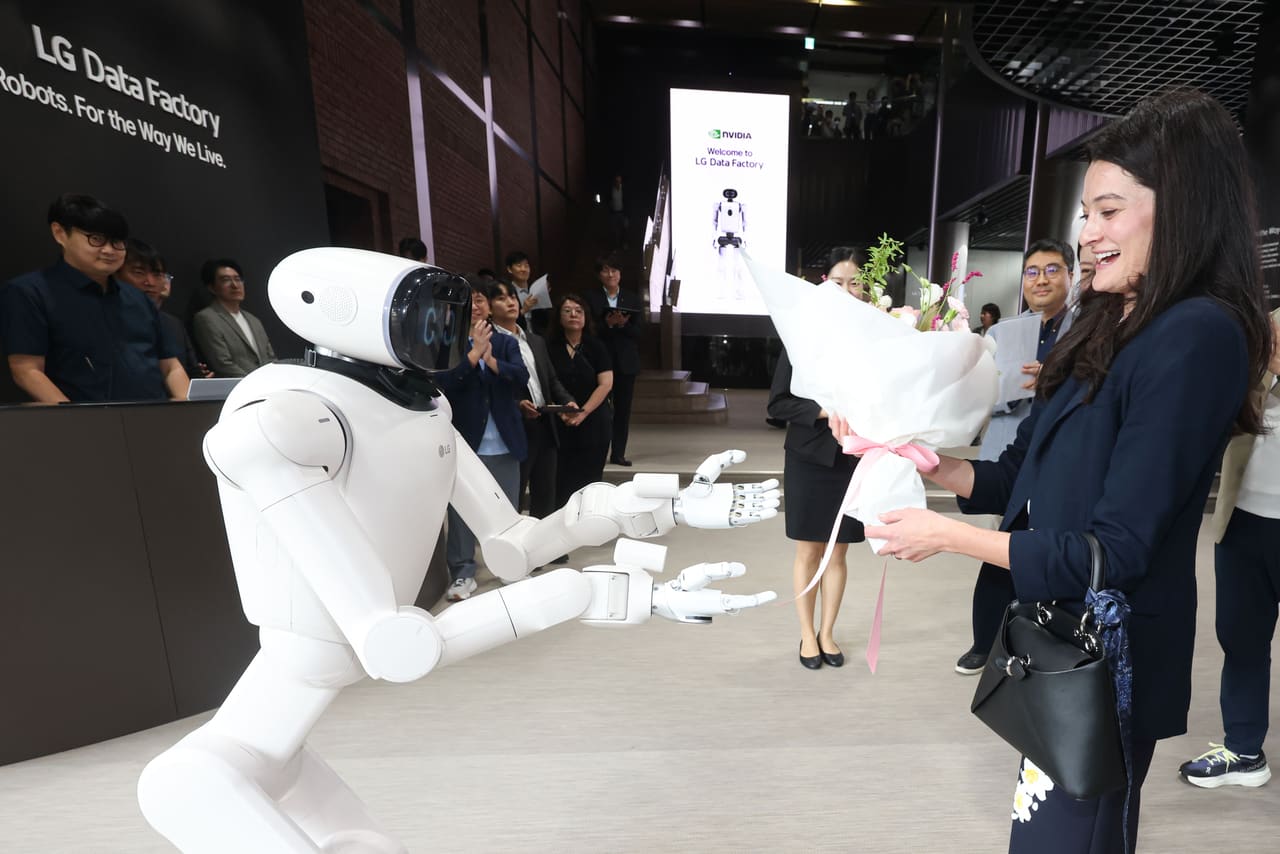
LG and Nvidia Push for 100,000 Hours of Humanoid Robot Training Data
Cheng Wei-Lun · 3 min
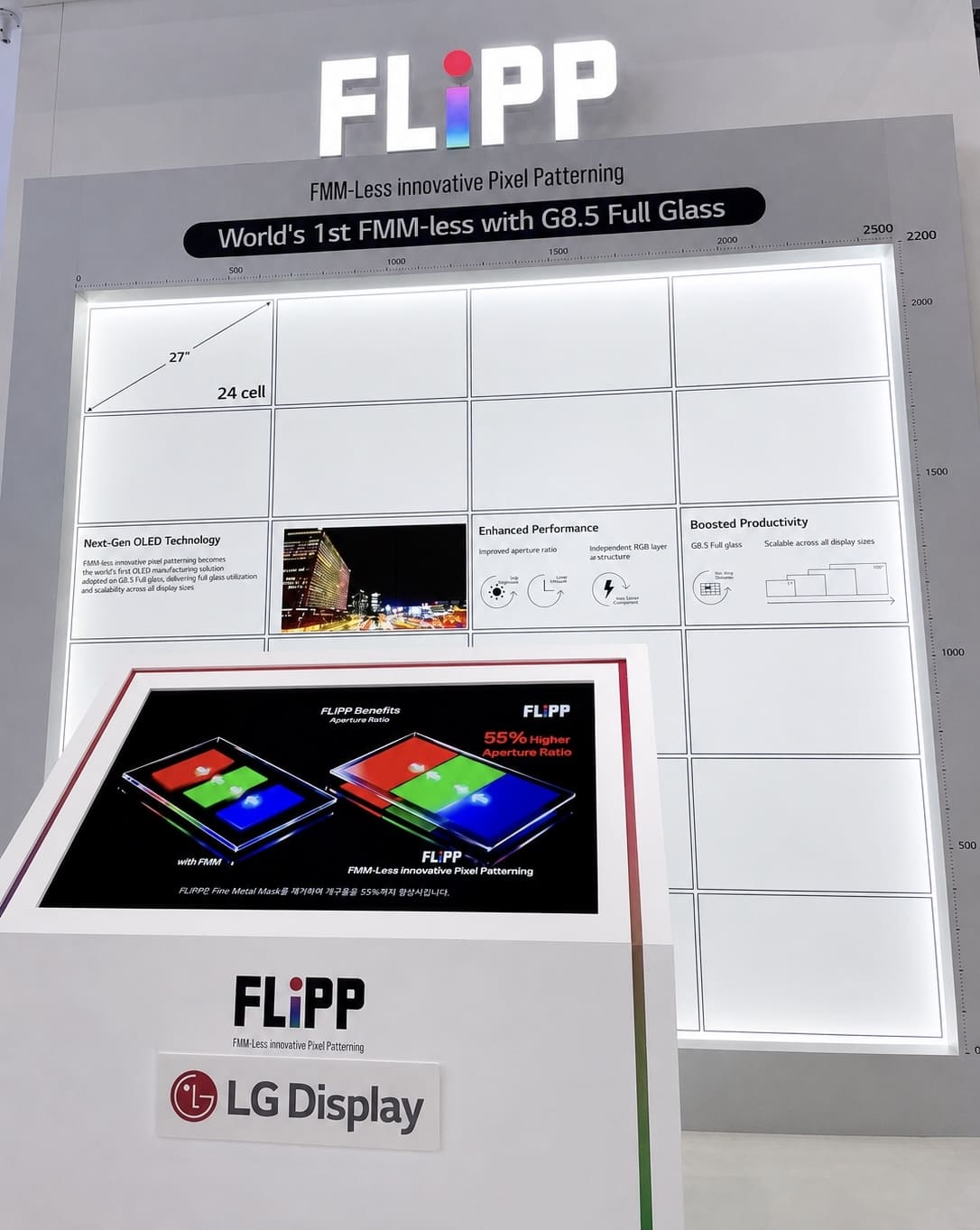
LG Display Unveils Mask-Free OLED Tech That Boosts Brightness and Lifespan
Cheng Wei-Lun · 3 min
Samsung Display Unveils Technology to Fix Brightness Drop in Foldable Screens
Cheng Wei-Lun · 2 min
Spot something wrong? Email editor@briefasia.com. We log every correction publicly.