Finance · Deals
Indonesia's Investment Surge Masks Lingering Fragility
Despite strong inflows in early 2026, policy uncertainty and currency pressure leave investors wary of the archipelago's long-term outlook.
KEY TAKEAWAYS
- ·Indonesia's realized investment exceeded Rp 1,000 trillion in the first half of 2026, with portfolio inflows rebounding sharply after earlier withdrawals.
- ·Policy reversals, governance friction and sustained rupiah weakness have kept long-term investor confidence fragile despite headline capital gains.
- ·Foreign direct investment commitments lag portfolio flows, and regional competitors like Vietnam and Thailand continue to gain ground in manufacturing and tech sectors.
Capital Arrives, Confidence Lags
Indonesia recorded more than Rp 1,000 trillion in realized investment during the first six months of 2026, a figure that on paper suggests robust economic momentum. Portfolio inflows rebounded sharply over the same period, reversing earlier outflows and bringing fresh foreign capital into Jakarta's equity and bond markets. Yet the headline numbers obscure a more complex reality: structural anxieties around policy direction, governance and currency stability continue to weigh on sentiment among institutional allocators.
The rupiah has remained under sustained pressure despite the inflows, trading near multi-year lows against the dollar and reflecting broader doubts about Indonesia's macroeconomic management. Domestic interest rates have been adjusted incrementally, but the central bank's room for maneuver remains constrained by inflation dynamics and the need to defend the currency without choking credit growth.
Governance Questions Persist
Investor unease extends beyond monetary policy. Regulatory predictability has weakened in recent quarters, with several high-profile policy reversals and delays in flagship infrastructure projects raising questions about execution capacity at the ministerial level. Changes to tax incentives for certain sectors were announced, then postponed, then revised again, leaving both local conglomerates and multinational firms uncertain about medium-term planning assumptions.
Transparency around procurement and licensing has also drawn scrutiny. While Indonesia has made strides in digital permitting systems, enforcement remains patchy, and anecdotal reports of bureaucratic friction persist in key investment corridors outside Java. For capital-intensive sectors such as mining, renewable energy and manufacturing, these frictions translate into higher perceived risk and longer payback horizons.
Portfolio Flows vs. Committed Capital
The rebound in portfolio inflows tells only part of the story. Much of the capital entering Indonesian markets in early 2026 has been short-duration in nature, flowing into liquid government bonds and large-cap equities that can be exited quickly if conditions deteriorate. Foreign direct investment commitments, by contrast, have grown more slowly, and greenfield announcements in manufacturing and technology have lagged expectations set at the start of the year.
This divergence matters. Portfolio flows can reverse within days; committed FDI takes years to unwind. The latter is the more reliable gauge of long-term confidence, and on that measure Indonesia's appeal relative to regional peers such as Vietnam and Thailand has not materially improved.
Regional Context and Competition
Southeast Asia's investment landscape has grown more competitive. Vietnam continues to attract electronics and semiconductor assembly projects, buoyed by supply-chain diversification out of China and aggressive incentive packages from Hanoi. Thailand has positioned itself as a hub for electric vehicle production, securing commitments from Chinese, Japanese and European automakers. Malaysia's regulatory clarity and established industrial base have made it a preferred destination for data-center and advanced manufacturing investments.
Indonesia's advantages remain substantial: a large domestic market, abundant natural resources and a young labor force. But translating those structural assets into sustained capital formation requires policy consistency and governance improvements that have yet to materialize at scale.
What Comes Next
The government has signaled renewed focus on investment climate reform, including streamlined approvals for priority sectors and revised local-content rules. Whether these initiatives gain traction will depend on coordination across ministries and follow-through at the provincial level, where much of the implementation burden falls.
Currency stability will also be critical. If the rupiah continues to weaken, the real cost of imported capital goods and technology will rise, eroding the competitiveness of export-oriented projects. The central bank faces a delicate balancing act: supporting growth without fueling inflation or triggering further capital flight.
For now, Indonesia's investment story is one of surface strength masking deeper uncertainty. The capital is arriving, but the conviction behind it remains conditional.
RELATED STORIES
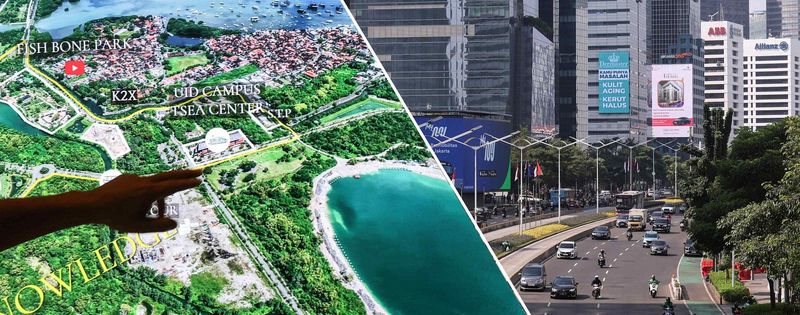
Indonesia Commits $28 Billion to Jakarta and Bali Financial Hub Push
Priyanka V. Rao · 4 min
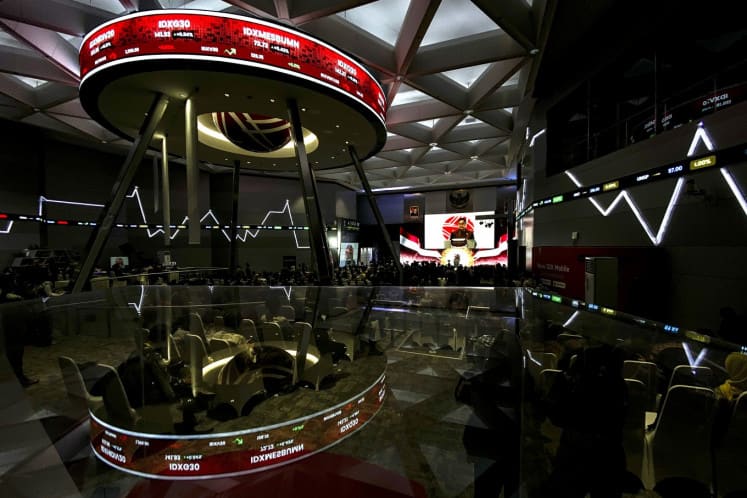
Indonesia Stock Exchange Tests Rupiah 1 Price Floor in Market Overhaul
Priyanka V. Rao · 3 min
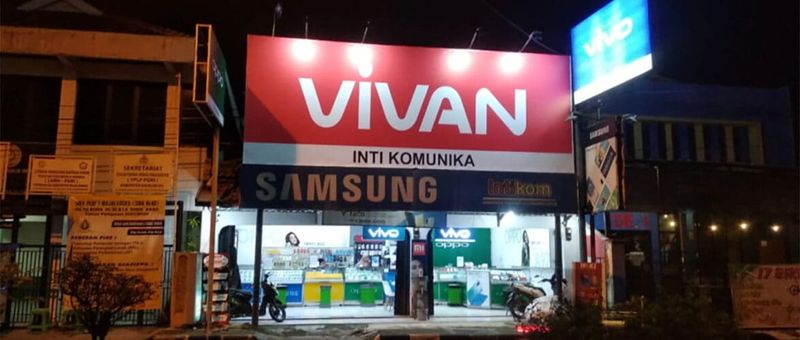
From Tourism Graduate to Indonesia Electronics Distributor: Wook Eyes IPO
Cheng Wei-Lun · 3 min
CIMB Commits to 55% Dividend Floor as Regional Portfolio Offsets Indonesia Pressure
Priyanka V. Rao · 4 min
Spot something wrong? Email editor@briefasia.com. We log every correction publicly.