Finance · Deals
Indonesia Commits $28 Billion to Jakarta and Bali Financial Hub Push
President Prabowo Subianto designates two cities as international finance centers, but investors warn regulatory clarity remains critical to attracting capital
KEY TAKEAWAYS
- ·President Prabowo Subianto designated Jakarta and Bali as Indonesia's first International Financial Centers on August 14, supported by $28 billion in development funding.
- ·The government is offering tax holidays and infrastructure investments, but investors stress that legal certainty and regulatory stability matter more than incentives alone.
- ·Indonesia enters a competitive regional landscape where Vietnam, Thailand, and Malaysia are also advancing financial hub strategies targeting the same capital flows.
A Twenty-Minute Drive from the Airport
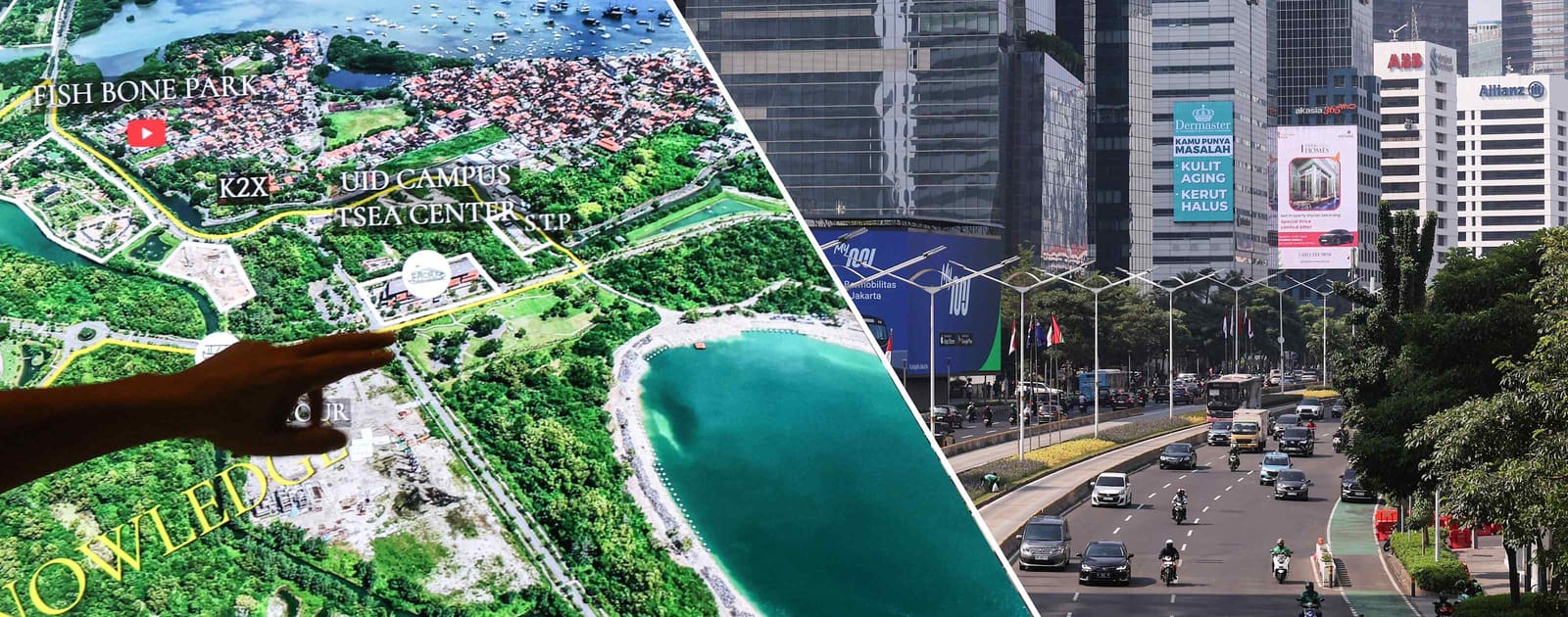
Twenty minutes from Bali's Ngurah Rai airport sits a reclaimed island that illustrates Indonesia's ambitions. What was once a fishing village now holds a five-hectare outlet mall with 130 stores, luxury brands sharing space with Balinese tableware. The transformation of this small patch of land mirrors a much larger bet the Indonesian government is placing on two of its most prominent cities.
President Prabowo Subianto announced on August 14 that Jakarta and Bali would serve as the country's first International Financial Centers, backed by a $28 billion development commitment. The initiative aims to position Indonesia as a regional capital hub capable of competing with Singapore, Hong Kong, and emerging rivals across Southeast Asia.
Capital and Incentives
The government is preparing a suite of incentives designed to attract both domestic and international financial institutions. Tax holidays, streamlined licensing procedures, and infrastructure investments form the core of the package. Jakarta, already home to Indonesia's stock exchange and major banks, offers established financial infrastructure and deep liquidity pools. Bali brings tourism-driven capital flows and a lifestyle appeal that policymakers believe can lure wealth management firms and family offices.
The Kura Kura Special Economic Zone off Bali represents one focal point of the development plan. The zone is designed to integrate financial services with tourism and technology sectors, creating what officials describe as a modern finance ecosystem. Jakarta's central business district, meanwhile, is slated for expansion and modernization to accommodate new financial institutions and service providers.
Indonesia's financial services sector has grown steadily over the past decade, with banking assets exceeding $700 billion and a stock market capitalization approaching $600 billion. Yet the country has struggled to capture regional finance flows that gravitate toward more established centers. Policymakers see the International Financial Center designation as a tool to reverse that trend.
The Legal Certainty Question
Investors have responded with cautious interest. While the scale of the commitment and the incentive package have drawn attention, concerns about regulatory stability and legal frameworks persist. Multiple financial executives operating in Indonesia have stressed that tax breaks and infrastructure alone will not suffice. Predictable enforcement of contracts, transparent dispute resolution mechanisms, and consistency in regulatory interpretation rank higher on the list of prerequisites for long-term capital deployment.
Indonesia's legal system has historically presented challenges for foreign investors. Overlapping regulations, inconsistent court rulings, and periodic shifts in policy direction have created uncertainty. The government has acknowledged these issues and pledged reforms, including the establishment of specialized commercial courts and clearer guidelines for cross-border transactions. Whether these reforms materialize at the pace required to support the financial center ambitions remains an open question.
The timing of the announcement reflects broader regional dynamics. Vietnam is advancing its own International Financial Center plans, targeting 2030 for full implementation. Thailand continues to refine Bangkok's role as a regional finance node, while Malaysia positions Kuala Lumpur for Islamic finance leadership. Indonesia enters a crowded field where differentiation will depend on execution rather than ambition.
Infrastructure and Talent
Beyond legal frameworks, the success of Jakarta and Bali as financial centers hinges on physical and human capital. Jakarta's infrastructure, though improving, still contends with congestion and limited public transport options. Bali's appeal as a lifestyle destination must be balanced against the need for reliable telecommunications, office space, and housing suitable for financial professionals.
Talent development represents another critical dimension. Indonesia's universities produce thousands of finance and economics graduates annually, but the depth of expertise in specialized areas such as derivatives trading, structured finance, and regulatory compliance remains limited compared to regional peers. The government has indicated plans to partner with international institutions to establish training programs and attract experienced professionals from abroad.
The $28 billion figure encompasses infrastructure development, incentive programs, and institutional capacity building over a multi-year timeline. Specific allocations have not been disclosed in full, but transportation links, digital infrastructure, and financial technology platforms are expected to receive significant portions of the budget.
What Comes Next
Indonesia's financial center initiative enters a testing phase. The government must translate policy announcements into operational frameworks, deliver on infrastructure commitments, and demonstrate that regulatory reforms are durable. Financial institutions will watch closely for signals that the business environment is shifting in a direction that justifies reallocation of resources and capital.
The Jakarta and Bali designations mark the beginning of a long process rather than a definitive achievement. Regional competition is intense, and established centers possess advantages built over decades. Indonesia's demographic scale, resource wealth, and economic growth trajectory provide a foundation. Whether that foundation can support a top-tier financial hub depends on decisions made in the months and years ahead, particularly on the legal and regulatory clarity that investors have identified as the essential ingredient.
RELATED STORIES
Jakarta Residents Hesitant on New Domestic Credit Card
Siti Nuraini · 3 min

Indonesian Tycoon Haji Isam Tours East Kalimantan Coal Site Amid Bayan Stake Speculation
Siti Nuraini · 2 min
Indonesia Cuts State Funding for Nusantara as Private Investors Take Lead
Siti Nuraini · 3 min
Indonesia Pushes for EU Trade Deal Signing Ahead of Year-End Tariff Cliff
Priyanka V. Rao · 3 min
Spot something wrong? Email editor@briefasia.com. We log every correction publicly.