Finance · Markets
Indonesia Stock Exchange Tests Rupiah 1 Price Floor in Market Overhaul
Jakarta's bourse trials a 98% reduction in minimum stock prices with members, seeking liquidity improvements before implementation
KEY TAKEAWAYS
- ·The Indonesia Stock Exchange is testing a reduction of its minimum stock price floor from Rp 50 to Rp 1, with most member firms completing initial trials successfully.
- ·The exchange consulted domestic securities associations and global investors in August before announcing the plan, aiming to improve liquidity and price discovery.
- ·No implementation date has been set; the IDX will proceed only when all member firms confirm system readiness to avoid technical disruptions.
Trial Phase Underway
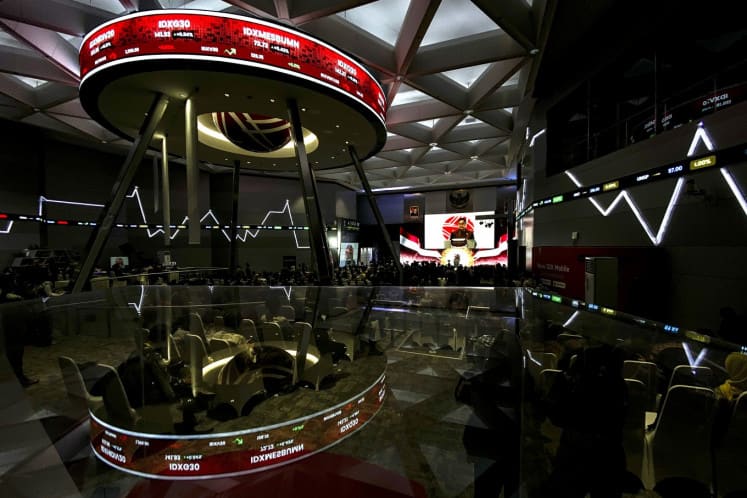
The Indonesia Stock Exchange has begun testing a dramatic reduction in its minimum stock price floor, moving from Rp 50 to just Rp 1, a shift that would mark one of the lowest trading thresholds in the region. The bourse is conducting trials with member firms to ensure systems and processes can handle the change before any formal rollout.
According to IDX president director Jeffrey Hendrik, initial results have been positive. Most member firms have participated successfully, though roughly eight securities houses have yet to complete their trial runs. The exchange plans follow-up sessions with these firms before moving forward.
The technical preparations extend beyond simple price adjustments. The IDX will also recalibrate its auto rejection parameters, the upper and lower price limits (ARA and ARB) that automatically block trades exceeding predetermined thresholds. These circuit breakers prevent extreme volatility but must be reconfigured to accommodate the lower price floor.
Market Consultation
The exchange unveiled the proposal on August 20, framing the initiative as a mechanism to enhance liquidity access and improve price discovery for thinly traded stocks. Before announcing the plan publicly, IDX held discussions with the Indonesian Securities Companies Association and the Indonesian Investment Manager Association on August 19, gathering input from domestic market participants. The bourse also consulted with international investors to gauge cross-border appetite for the change.
Focus group discussions are scheduled to collect additional feedback from members. The exchange has not set a firm implementation date, prioritizing readiness over speed. Jeffrey emphasized that the rollout will proceed only when all member firms confirm their systems are operational, avoiding the technical disruptions that have plagued other market infrastructure changes in the region.
Regional Context
The move places Indonesia among a small group of Asian exchanges experimenting with ultra-low price floors. Traditional bourses in Singapore, Hong Kong, and Tokyo maintain higher minimum tick sizes to preserve market quality and discourage speculative penny stock trading. Indonesia's approach reflects a different calculus, one that prioritizes access for retail investors and smaller companies over concerns about volatility.
Lowering the price floor could benefit microcap stocks that trade near the current Rp 50 minimum, where even small moves represent large percentage swings. Tighter pricing increments allow for more granular valuation and reduce the bid-ask spread for illiquid names. However, the change also raises questions about market quality. Stocks priced below Rp 10 may attract speculative flows, complicating efforts to build institutional depth in Indonesian equities.
The adjustment comes as the IDX pursues broader structural reforms, including its long-discussed demutualization plan. The exchange has been working with the Financial Services Authority (OJK) to transition from a member-owned mutual structure to a shareholder-owned for-profit entity, a shift that could pave the way for new capital and technology investments.
Implementation Hurdles
The staggered trial process underscores the operational complexity involved. Securities firms must update trading platforms, risk management systems, and back-office settlement processes to accommodate the new price increments. Smaller brokerages, which may lack the IT resources of larger competitors, face a steeper learning curve.
International investors, while consulted, have expressed mixed views. Some see the lower floor as a signal of greater market flexibility; others worry it could dilute the quality of the tradable universe and complicate index construction. MSCI and FTSE Russell, which determine Indonesia's weight in emerging market benchmarks, have not commented publicly on the proposal.
The exchange's cautious rollout reflects lessons learned from past technology mishaps. In 2020, the IDX suffered a multi-day trading halt due to system failures, a setback that dented confidence among foreign portfolio managers. This time, the bourse is prioritizing member readiness over headline speed.
The regulatory backdrop remains supportive. OJK has signaled openness to market structure innovations that broaden participation, particularly among retail investors who have driven much of the recent trading volume growth in Indonesian equities. Whether the lower price floor achieves its stated goals of liquidity and price discovery, or instead amplifies volatility and speculation, will become clear only after full implementation.
RELATED STORIES
Indonesia Commits $28 Billion to Jakarta and Bali Financial Hub Push
Priyanka V. Rao · 4 min
CIMB Commits to 55% Dividend Floor as Regional Portfolio Offsets Indonesia Pressure
Priyanka V. Rao · 4 min

Indonesian Tycoon Haji Isam Tours East Kalimantan Coal Site Amid Bayan Stake Speculation
Siti Nuraini · 2 min
Jakarta Residents Hesitant on New Domestic Credit Card
Siti Nuraini · 3 min
Spot something wrong? Email editor@briefasia.com. We log every correction publicly.