Finance · Deals
From Tourism Graduate to Indonesia Electronics Distributor: Wook Eyes IPO
Xu Longhua built a network spanning tens of thousands of Indonesian retail outlets in two decades, now testing investor appetite for Chinese consumer goods distribution
KEY TAKEAWAYS
- ·Wook, founded by tourism graduate Xu Longhua in 2004, distributes Chinese electronics and home goods across tens of thousands of Indonesian retail stores.
- ·The company is preparing for an IPO to test investor appetite for low-margin distribution businesses in Southeast Asian consumer markets.
- ·Success depends on demonstrating defensible competitive advantages in a sector vulnerable to commoditization and well-capitalized competition.
An Unlikely Path to Distribution
Twenty years ago, Xu Longhua walked out of Xiangtan University with a tourism management degree and no obvious connection to consumer electronics. Today he runs Wook, a distribution company that has become a conduit for Chinese-manufactured phone accessories, small home appliances, and home improvement products flowing into Indonesia's sprawling network of independent retailers.
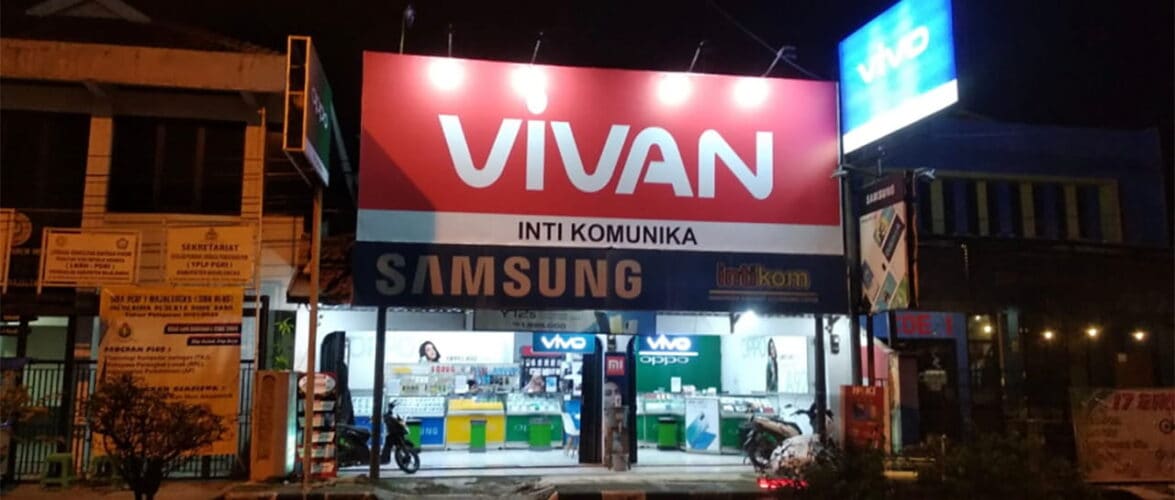
The company's reach extends across tens of thousands of mom-and-pop stores throughout the archipelago, a logistical achievement in a country where retail remains highly fragmented and traditional trade channels dominate outside major cities. Wook has built its business by solving a persistent problem in Southeast Asian consumer goods markets: connecting Chinese manufacturers with the last-mile retailers who still account for the majority of consumer purchases in emerging economies.
Xu's pivot from tourism to electronics distribution reflects a broader pattern among Chinese entrepreneurs who entered Southeast Asia during the region's consumer boom years. The model centers on aggregating supply from Chinese factories, managing import logistics, and building relationships with local distributors who can navigate Indonesia's complex retail terrain.
The Distribution Play
Wook operates in a competitive segment where margins depend on volume, credit terms, and the ability to maintain inventory velocity across thousands of small retail touchpoints. Phone accessories represent a core category, capitalizing on Indonesia's high mobile penetration and the constant demand for chargers, cases, and screen protectors that generate repeat purchases.
Small home appliances and home improvement products round out the portfolio, categories that have seen steady growth as Indonesian household incomes rise and urbanization continues. The company positions itself as a bridge between Chinese manufacturing scale and Indonesian retail fragmentation, offering retailers access to competitively priced products without requiring direct relationships with overseas suppliers.
The distribution network itself is the primary asset. Building relationships with tens of thousands of independent stores requires local knowledge, credit management capabilities, and logistics infrastructure that can handle small-order fulfillment across an archipelago of more than 17,000 islands. Competitors in this space include both local distributors with established relationships and other Chinese-backed operations pursuing similar strategies.
IPO Timing and Market Questions
Wook is now preparing for a public listing, a move that will test whether investors see value in a distribution business built on thin margins and operational scale. The IPO comes as Southeast Asian markets show mixed signals: consumer spending remains robust in Indonesia, but currency volatility and import dependencies create ongoing pressures for businesses reliant on cross-border supply chains.
The company will need to demonstrate sustainable unit economics and defensible competitive advantages. Distribution businesses typically trade at modest multiples unless they can show pricing power, proprietary technology, or brand strength that insulates them from commoditization. Wook's pitch centers on its retail network density and category expertise, but questions remain about how easily those advantages can be replicated by well-capitalized competitors.
Investor appetite for Southeast Asian consumer stories has cooled somewhat from the peak enthusiasm of earlier years, as growth-at-any-cost narratives give way to demands for profitability and cash generation. Wook will be competing for capital against e-commerce platforms, digital payment providers, and other distribution models that promise higher margins or faster scalability.
The Retail Infrastructure Bet
The underlying thesis behind Wook's business is that traditional retail channels in Indonesia will remain relevant even as e-commerce grows. While online shopping has captured headlines and venture capital, the reality in many emerging markets is that neighborhood stores continue to serve customers who prefer immediate access, personal relationships, and cash transactions.
For Chinese manufacturers, companies like Wook offer an established route to market without the complexity of building direct retail operations or navigating Indonesia's regulatory environment independently. For Indonesian retailers, the value proposition is access to product variety and competitive pricing that would be difficult to secure through direct importing.
Whether that positioning translates into attractive public market returns depends on execution and the broader trajectory of Indonesia's retail evolution. The IPO will provide a market verdict on whether distribution scale in emerging consumer markets commands a premium or simply reflects a low-margin necessity in a commoditized value chain.
Xu's journey from tourism graduate to electronics distributor illustrates the opportunistic pathways that have characterized China-Southeast Asia trade over the past two decades. The IPO will reveal whether that history translates into a compelling investment narrative for the next chapter.
RELATED STORIES
China's $1.2 Trillion Trade Surplus Threatens Indonesian Rupiah and Industry
Rajesh K. Iyer · 3 min
Indonesia Seeks 100GW Solar Build From China, But Not Chinese Ownership
Priyanka V. Rao · 3 min
CIMB Commits to 55% Dividend Floor as Regional Portfolio Offsets Indonesia Pressure
Priyanka V. Rao · 4 min

Indonesia Commits $28 Billion to Jakarta and Bali Financial Hub Push
Priyanka V. Rao · 4 min
Spot something wrong? Email editor@briefasia.com. We log every correction publicly.