Sustainability · Energy
Indonesia's Hydrogen Vehicle Ambitions Face Cost Reality
Early trials reveal a significant gap between clean energy goals and commercial viability as PLN's unused hydrogen production meets market headwinds
KEY TAKEAWAYS
- ·PLN produces 200 tonnes of hydrogen annually from coal plants but leaves 125 tonnes unused, prompting exploration of hydrogen-powered transportation with 93 projects totaling potential investment of Rp 32 trillion.
- ·Indonesia's energy minister projects hydrogen vehicles will compete with battery electric vehicles in five to ten years, dependent on the 100-gigawatt solar program enabling cheaper green hydrogen via electrolysis.
- ·Cost remains the primary barrier as battery electric vehicles already offer proven technology at competitive prices while green hydrogen production requires substantial solar infrastructure investment.
The Surplus Problem
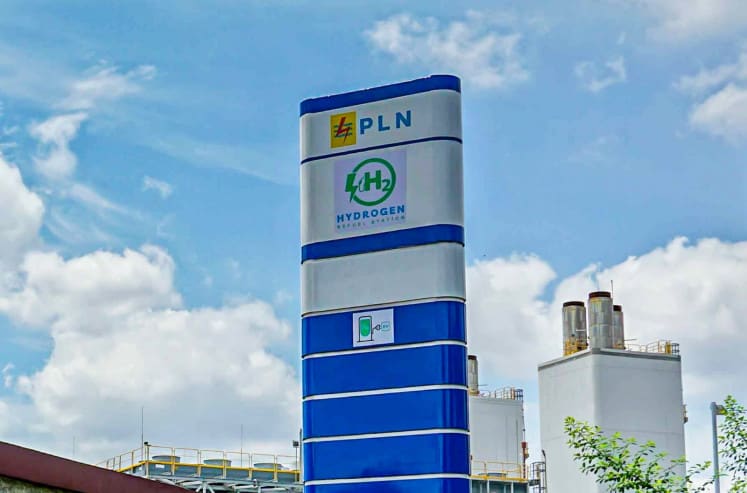
State electricity firm PLN produces 200 tonnes of hydrogen annually as a byproduct from coal-fired power plant generators, but 125 tonnes sit idle. Only 37.5 percent finds use, leaving a substantial surplus that has prompted government officials to explore hydrogen-powered transportation as a potential outlet.
The calculus appears straightforward on paper. Indonesia operates coal plants that already generate hydrogen for cooling purposes, the infrastructure produces far more than needed, and the energy transition demands cleaner mobility solutions. Yet early implementation efforts reveal cost barriers that may delay mass adoption by years.
Five to Ten Years Out
Energy and Mineral Resources Minister Bahlil Lahadalia projects hydrogen vehicles will compete with battery electric vehicles within five to 10 years, contingent on the government's 100-gigawatt solar power program enabling cheaper green hydrogen production through electrolysis.
The ministry has rolled out 93 hydrogen development projects nationwide, with potential investment reaching Rp 32 trillion ($1.78 billion), according to Eniya Listiani Dewi, director general for new and renewable energy and energy conservation.
PLN has partnered with state energy company Pertamina on hydrogen distribution for transportation and is negotiating with Jakarta's government to introduce hydrogen buses into the Transjakarta fleet. State bus operator Perum DAMRI has begun testing hydrogen vehicles, though not yet the zero-emission models officials envision.
The Affordability Gap
Cost emerges as the central obstacle. Green hydrogen production via electrolysis requires substantial solar infrastructure investment, while battery electric vehicles already offer proven technology at increasingly competitive price points. The economics favor lithium-ion batteries in the near term, particularly as global battery costs continue declining and charging networks expand.
Indonesia's hydrogen strategy hinges on converting waste into resource, leveraging existing production from coal plants while building renewable capacity. The approach sidesteps some infrastructure costs but introduces others: refueling stations, vehicle development, safety protocols, and public acceptance all require capital and time.
The solar program remains critical. Without cheap renewable electricity, electrolysis cannot produce hydrogen at rates competitive with fossil fuels or battery alternatives. The 100-gigawatt target represents a significant scale-up from Indonesia's current solar capacity, and execution timelines will directly shape hydrogen vehicle viability.
Regional Context
Southeast Asia's hydrogen ambitions vary widely. Singapore has invested in hydrogen research and import infrastructure, positioning itself as a potential hub. Thailand's automotive sector explores hydrogen for heavy transport. Vietnam focuses overwhelmingly on battery electric manufacturing and assembly, attracting major automakers with incentives and labor advantages.
Indonesia's coal-to-hydrogen angle offers a unique starting point but also reflects the country's energy transition challenge: abundant fossil resources that complicate the shift to renewables. The hydrogen vehicle push serves dual purposes, addressing both surplus byproduct and emissions targets, yet market forces may not align with policy timelines.
What Comes Next
PLN's partnership with Pertamina signals government commitment, pooling state resources to build distribution channels before private demand materializes. The Transjakarta lobbying effort aims to create anchor demand, using public transit to establish proof of concept and scale.
The DAMRI trials will provide operational data on maintenance costs, fueling logistics, and performance in tropical conditions. These results will inform whether the five-to-ten-year timeline holds or requires adjustment.
Battery electric vehicles continue gaining ground in Indonesia's consumer market, supported by tax incentives and growing charging infrastructure. Hydrogen's window for competitive entry narrows as battery technology improves and economies of scale drive down EV prices.
The 93 hydrogen projects spread across the archipelago suggest a diversified approach, testing applications beyond passenger vehicles. Industrial uses, port equipment, and heavy transport may offer earlier commercialization opportunities where battery limitations are more pronounced.
Indonesia's hydrogen bet reflects a broader regional pattern: governments investing in multiple clean energy pathways while markets sort out winners. The next five years will clarify whether hydrogen vehicles represent a viable mass-market solution or remain a niche technology awaiting further cost breakthroughs.
RELATED STORIES
Indonesia's Renewable Energy Capacity Faces AI Data Centre Test
Tran Quoc Bao · 3 min
Indonesia's Palm Oil Zones Account for Bulk of Fire-Ravaged Land This Year
Siti Nuraini · 4 min
Indonesia Seeks 100GW Solar Build From China, But Not Chinese Ownership
Priyanka V. Rao · 3 min
Indonesia Faces Tension Between Petrochemical Growth and Plastic Reduction Goals
Siti Nuraini · 4 min
Spot something wrong? Email editor@briefasia.com. We log every correction publicly.