Sustainability · Energy
Indonesia Plans E20 Ethanol Blend While Still Importing Sugar
The government is advancing a 20 percent fuel ethanol mandate despite ongoing dependence on sugar imports for domestic consumption.
KEY TAKEAWAYS
- ·Indonesia is preparing to introduce E20 gasoline containing 20 percent fuel ethanol while continuing to import sugar for domestic food needs.
- ·The policy aims to reduce gasoline imports and replicate the biodiesel mandate model, but faces a critical feedstock supply gap with no disclosed sourcing plan.
- ·Successful implementation will require millions of tons of sugar equivalent annually, posing trade-offs between fuel production, food security, and land use.
The E20 Push
Indonesia is advancing plans to roll out E20, a gasoline blend that incorporates 20 percent fuel ethanol, according to government preparations. The move represents an effort to diversify the country's fuel mix and reduce dependence on imported petroleum products by tapping domestic agricultural resources.
The initiative mirrors the structure of Indonesia's biodiesel program, which has mandated increasing shares of palm oil-derived fuel in diesel blends over the past decade. That program created substantial new demand for crude palm oil and positioned Indonesia as a leader in renewable diesel policy across Southeast Asia.
E20 would apply the same logic to gasoline, substituting a fifth of the petroleum content with ethanol distilled from sugar-based feedstocks. The target blend ratio is significantly higher than the 10 percent ethanol content common in markets such as the United States and Thailand.
The Feedstock Gap
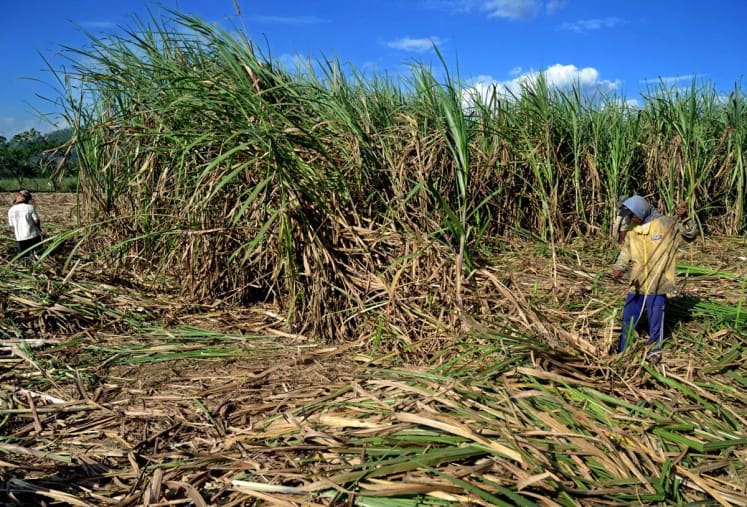
The policy faces an immediate supply constraint. Indonesia currently imports sugar to satisfy domestic food consumption, with shipments running into the hundreds of thousands of metric tons annually. Domestic cane production has historically fallen short of demand, and successive governments have struggled to close the gap despite subsidies and price supports for growers.
Ethanol production at scale requires either dedicated energy cane cultivation or the diversion of food sugar into industrial fermentation. Both paths present trade-offs. Expanding cane acreage competes with food crops and palm oil estates for land, labor, and water. Diverting existing sugar output into fuel tanks would widen the food import bill and risk political backlash over staple prices.
The government has not yet detailed how it intends to secure the feedstock volumes required for nationwide E20 implementation. Industry estimates suggest that blending 20 percent ethanol into Indonesia's gasoline pool would require several million kiloliters of ethanol per year, translating to millions of tons of sugar equivalent.
Regional Precedents and Pitfalls
Other Southeast Asian nations have experimented with ethanol mandates, with mixed results. Thailand successfully scaled cassava-based ethanol production and now blends 10 percent ethanol as standard, supported by a well-developed distillery network and feedstock supply chain. The Philippines has mandated 10 percent ethanol blending since 2011, though enforcement has been inconsistent and supply shortages have periodically forced waivers.
Brazil remains the global benchmark, with flex-fuel vehicles and sugarcane ethanol infrastructure built over four decades. Brazilian mills can toggle production between sugar and ethanol depending on market prices, a flexibility that Indonesian producers do not yet possess.
Indonesia's palm biodiesel program offers both lessons and cautions. The mandate created a guaranteed domestic market and spurred investment in refining capacity, but it also strained the palm oil supply chain, contributed to deforestation pressures, and triggered trade disputes with the European Union over sustainability standards.
Policy Rationale
The government frames E20 as a strategic hedge against volatile global oil markets and a mechanism to support rural incomes by expanding demand for agricultural commodities. Reducing gasoline imports would improve the trade balance and lower foreign exchange exposure, both chronic vulnerabilities for Indonesia's economy.
Ethanol blending also aligns with Indonesia's climate commitments under the Paris Agreement. Biofuels are classified as lower-carbon alternatives to fossil fuels, though lifecycle emissions depend heavily on land-use practices and feedstock sourcing.
The policy's success will hinge on execution details that remain undisclosed: pricing mechanisms, blending infrastructure investment, quality standards, and crucially, a credible plan to source or produce the necessary sugar volumes without destabilizing food markets.
What Comes Next
The timeline for E20 implementation has not been finalized. Fuel distributors will need to upgrade storage and blending facilities, and vehicle manufacturers will need to confirm compatibility across Indonesia's diverse fleet, much of which consists of older models not designed for high-ethanol blends.
Farmers and millers are watching closely. If the government offers attractive offtake agreements and price guarantees, investment in cane cultivation and distillation capacity could follow. Without those signals, the feedstock gap will persist.
The contradiction embedded in the policy remains stark: Indonesia is preparing to burn sugar as fuel while buying sugar from abroad to feed its population. Resolving that tension will define whether E20 becomes a replicable model or a cautionary tale for energy transition planning in the region.
RELATED STORIES
Indonesia's Renewable Energy Capacity Faces AI Data Centre Test
Tran Quoc Bao · 3 min
Indonesia's Palm Oil Zones Account for Bulk of Fire-Ravaged Land This Year
Siti Nuraini · 4 min
Indonesia Seeks 100GW Solar Build From China, But Not Chinese Ownership
Priyanka V. Rao · 3 min
Indonesia Faces Tension Between Petrochemical Growth and Plastic Reduction Goals
Siti Nuraini · 4 min
Spot something wrong? Email editor@briefasia.com. We log every correction publicly.