Sustainability · Climate
Indonesia Faces Mounting Crop Losses as El Niño Extends Dry Season
Rice production has already declined over the past quarter, with warming climate patterns threatening to prolong drought conditions into 2027
KEY TAKEAWAYS
- ·Multiple Indonesian regions are reporting crop failures as El Niño intensifies the dry season, with rice production declining over the past three months.
- ·Climate forecasters warn the warming pattern may extend drought conditions into 2027, threatening planting cycles and forcing potential increases in rice imports.
- ·The crisis highlights Indonesia's agricultural vulnerability to climate variability despite investments in self-sufficiency, with smallholder farmers facing immediate income losses.
Growing Agricultural Distress
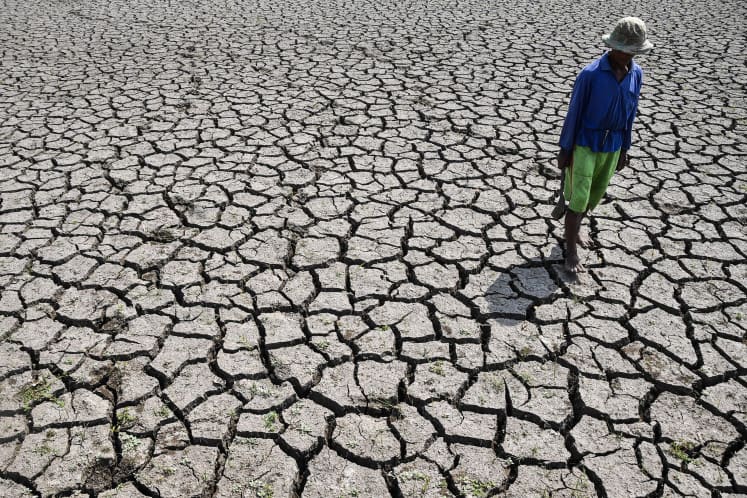
Multiple regions across Indonesia are experiencing significant crop failures as the current dry season intensifies under the influence of El Niño, raising concerns about food security in Southeast Asia's largest economy. Rice production has declined over the past three months, with agricultural officials warning that drought conditions could extend well into 2027.
The warming climate phenomenon is creating conditions far drier than normal seasonal patterns, placing acute stress on Indonesia's agricultural backbone. Rice, which accounts for the majority of caloric intake for the country's 280 million people, is particularly vulnerable to prolonged water scarcity during critical growing phases.
Regional Impact and Production Data
Farm communities across the archipelago are reporting harvest shortfalls, with some areas seeing complete crop loss in fields that typically yield two or three harvests annually. The three-month production decline marks a worrying trend for a nation that has worked for decades to achieve rice self-sufficiency, a policy priority that carries both economic and political weight.
Indonesia's agricultural sector employs roughly one-third of the workforce, meaning crop failures ripple far beyond food supply. Smallholder farmers, who cultivate the majority of rice paddies, face immediate income loss when harvests fail, with limited insurance mechanisms to cushion the blow.
El Niño's Trajectory
Climate forecasters are tracking the current El Niño episode closely, with models suggesting the warming pattern in the Pacific Ocean may persist longer than typical cycles. El Niño events historically bring reduced rainfall to Indonesia, but the intensity and duration of the current phenomenon are testing the resilience of agricultural systems already strained by erratic weather patterns in recent years.
The extended dry season threatens not only the immediate harvest but also planting schedules for subsequent cycles. Delayed or insufficient rainfall during the coming months could force farmers to skip planting seasons entirely, compounding production losses into 2027.
Food Security Calculations
Indonesia has periodically relied on rice imports to stabilize domestic supply, though government policy strongly favors domestic production. A sustained drop in output would likely force increased imports from regional suppliers including Vietnam and Thailand, both of which are also navigating their own climate challenges.
Rice prices in local markets have shown early signs of volatility, though government buffer stock releases have so far prevented sharp spikes. The state logistics agency maintains strategic reserves designed to smooth supply shocks, but prolonged production shortfalls would test the adequacy of those stocks.
Broader Agricultural Vulnerability
Beyond rice, other staple crops including corn and soybeans face similar stress from the extended dry season. Horticultural production, concentrated in highland areas that typically receive more consistent rainfall, is also showing signs of strain as water sources diminish.
The current situation underscores Indonesia's vulnerability to climate variability despite its position as a tropical archipelago typically associated with abundant rainfall. Climate scientists have warned that El Niño and La Niña cycles are likely to become more intense and less predictable as global temperatures rise, requiring adaptive strategies in agricultural planning and infrastructure.
Policy and Response Measures
Agricultural extension services are advising farmers on drought-resistant crop varieties and water conservation techniques, though adoption remains uneven across the sprawling archipelago. Irrigation infrastructure, much of it dating from decades-old development programs, is showing its age and limited capacity to buffer against extreme dry conditions.
The government has announced plans to accelerate cloud seeding operations in affected regions, though the effectiveness of such interventions remains debated. Longer-term investments in water storage, irrigation modernization, and climate-adapted seed varieties will determine how well Indonesia can weather future climate shocks.
The coming months will reveal whether the dry season eases as forecast models diverge on the timing of El Niño's dissipation. For now, farmers are watching the skies and adjusting expectations downward, a calculus that will shape food supply and prices across the region well into next year.
RELATED STORIES
Indonesia's Renewable Energy Capacity Faces AI Data Centre Test
Tran Quoc Bao · 3 min
Indonesia's Palm Oil Zones Account for Bulk of Fire-Ravaged Land This Year
Siti Nuraini · 4 min
Indonesia Seeks 100GW Solar Build From China, But Not Chinese Ownership
Priyanka V. Rao · 3 min
Indonesia Faces Tension Between Petrochemical Growth and Plastic Reduction Goals
Siti Nuraini · 4 min
Spot something wrong? Email editor@briefasia.com. We log every correction publicly.