Sustainability · Energy
Indonesia Rushes 510-MW Batang Toru Plant Online to Shore Up Sumatra Grid
Jakarta accelerates commissioning of major hydroelectric facility after transmission infrastructure collapse exposed vulnerability of island's power network
KEY TAKEAWAYS
- ·Indonesia is accelerating the 510-megawatt Batang Toru hydroelectric plant to stabilize Sumatra's electricity system after five transmission towers collapsed in November.
- ·The facility will add baseload capacity equivalent to power for 500,000 households and provide operational flexibility to a grid strained by infrastructure damage.
- ·Sumatra's grid operates under tighter margins than Java's network, with seasonal hydropower variability and dispersed geography complicating transmission reliability.
Grid Reinforcement Moves Forward
Indonesia is accelerating the commissioning of a 510-megawatt hydroelectric facility to stabilize Sumatra's electricity infrastructure, which continues to face pressure months after a hydrological event destroyed critical transmission assets last November.
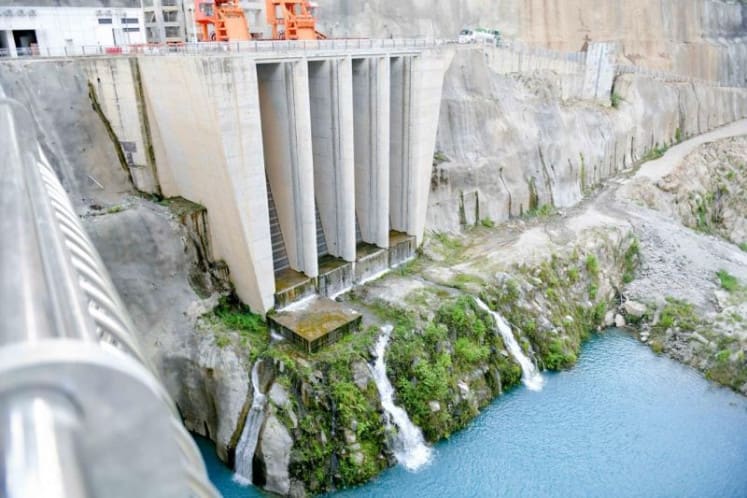
The government is prioritizing the operational launch of the Batang Toru hydroelectric power plant, located in North Sumatra, as part of efforts to bolster grid reliability across the island. The facility represents one of the largest hydropower additions to the region's generation capacity in recent years.
Infrastructure Vulnerability Exposed
The push follows significant damage to Sumatra's transmission network in November, when five transmission towers collapsed during a hydrological disaster. The incident underscored the fragility of the island's electricity distribution system and triggered concerns about supply stability during peak demand periods.
Sumatra's grid has long operated under tighter margins than Java's more robust network. The island's mountainous terrain and dispersed population centers create transmission challenges, while seasonal rainfall patterns introduce variability into hydroelectric output, the backbone of the region's generation mix.
The November tower failures disrupted power flows across multiple provinces and forced temporary load shedding in industrial zones. Repairs took several weeks, highlighting the need for additional generation capacity closer to consumption centers and redundancy in transmission routes.
Hydropower Capacity Addition
The Batang Toru plant will add substantial baseload capacity to Sumatra's system when it enters commercial operation. At 510 megawatts, the facility can supply electricity to roughly 500,000 households, assuming average consumption patterns in Indonesia's secondary cities.
The project has been under development for several years, navigating environmental assessments and financing arrangements. Its accelerated timeline reflects Jakarta's determination to address grid vulnerabilities before the next monsoon season, when demand for electricity typically rises and transmission infrastructure faces additional stress from heavy rainfall.
Hydroelectric plants offer operational flexibility that coal-fired stations cannot match, allowing grid operators to ramp output up or down in response to demand fluctuations or supply disruptions elsewhere in the network. This characteristic makes Batang Toru particularly valuable for a system still recovering from infrastructure damage.
Regional Power Dynamics
Sumatra accounts for roughly one-fifth of Indonesia's total electricity consumption but has historically lagged Java in grid investment and generation diversity. The island's reliance on hydropower, while supporting decarbonization goals, introduces seasonal risk when reservoir levels drop during dry periods.
The government has signaled that additional transmission upgrades will accompany the new generation capacity. Reinforcing inter-provincial connections and replacing aging tower infrastructure are priorities for the state electricity utility as it works to reduce the frequency and duration of outages.
Indonesia's broader energy strategy aims to increase renewable capacity to 23 percent of the generation mix by 2025, with hydropower playing a central role alongside geothermal and solar. Sumatra's abundant river systems and elevation changes make it a natural candidate for hydroelectric expansion, though environmental and social considerations have slowed project approvals in some areas.
Next Steps
The timeline for Batang Toru's full commissioning remains tied to final testing and grid synchronization procedures. Authorities have not disclosed a specific operational date but indicated that the plant will begin contributing to the network within the current fiscal year.
Observers will watch whether the facility's arrival eases the pressure on Sumatra's grid during the upcoming high-demand season. The project's success may also influence decisions on other hydroelectric proposals awaiting government approval across the archipelago.
RELATED STORIES
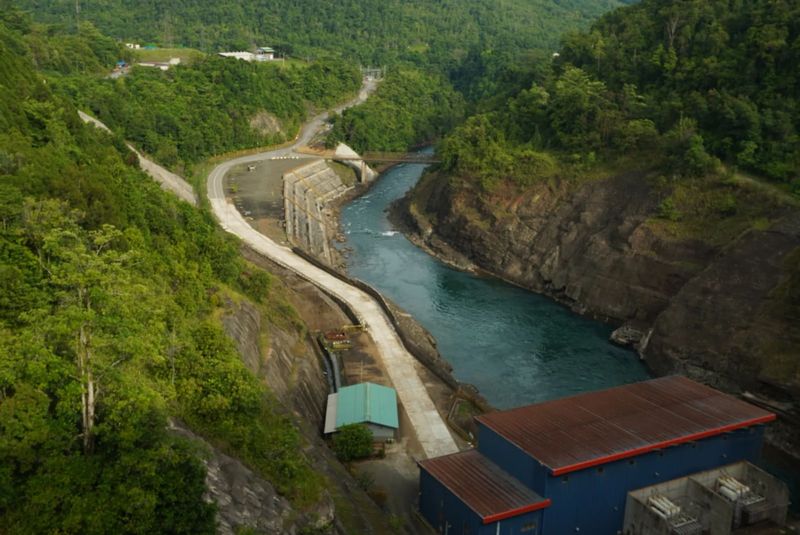
Indonesia's Renewable Energy Capacity Faces AI Data Centre Test
Tran Quoc Bao · 3 min
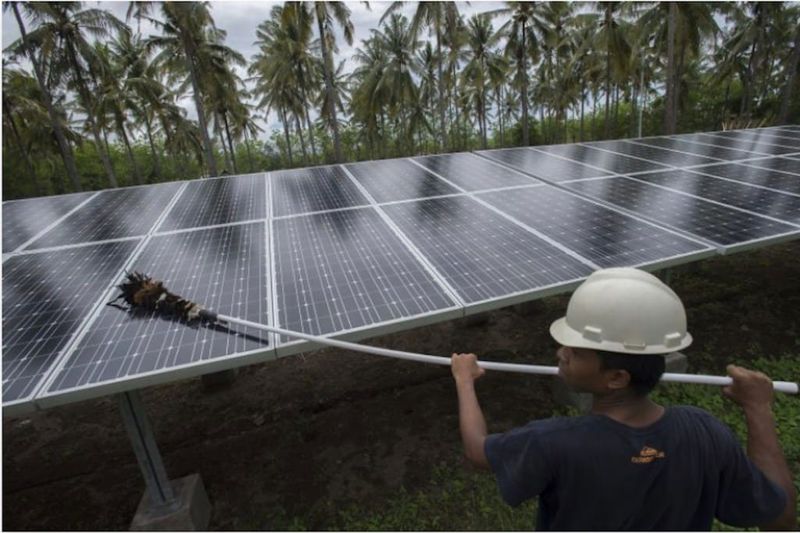
Indonesia Seeks 100GW Solar Build From China, But Not Chinese Ownership
Priyanka V. Rao · 3 min
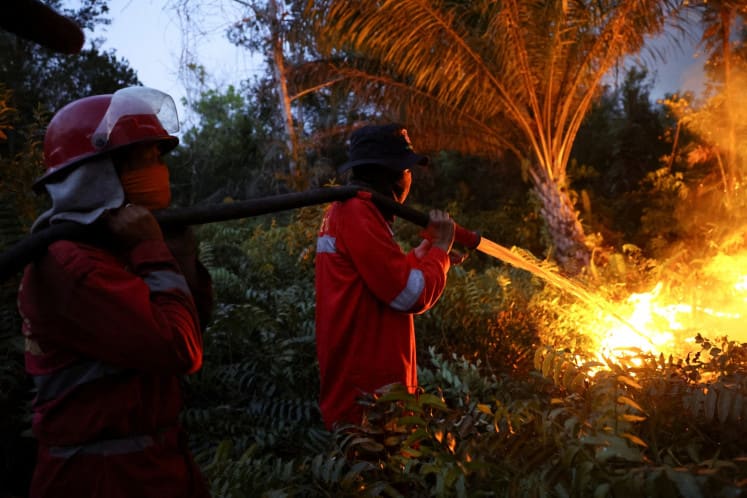
Indonesia's Palm Oil Zones Account for Bulk of Fire-Ravaged Land This Year
Siti Nuraini · 4 min

Indonesia Faces Tension Between Petrochemical Growth and Plastic Reduction Goals
Siti Nuraini · 4 min
Spot something wrong? Email editor@briefasia.com. We log every correction publicly.