Sustainability · Nature
Human Development Patterns Drive Assam's Deadly 2026 Floods
Research finds urbanisation, deforestation, and infrastructure failures - not climate change - were the primary culprits behind flooding that killed 99 and displaced half a million across northeastern India.
KEY TAKEAWAYS
- ·Research by World Weather Attribution found that Assam's June-August 2026 floods, which killed 99 people and affected over 500,000, were driven primarily by urbanisation, deforestation, and infrastructure failures rather than climate change.
- ·Analysis showed the 2026 rainfall was not exceptional, recurring every one to two years, with no detectable climate change signal in the precipitation patterns that caused flooding.
- ·Future flood management in the region requires shifting from concrete embankments toward nature-based solutions including floodplain restoration, wetland conservation, and reduced development in flood-prone areas.
Infrastructure and Land Use, Not Climate, Behind Catastrophe
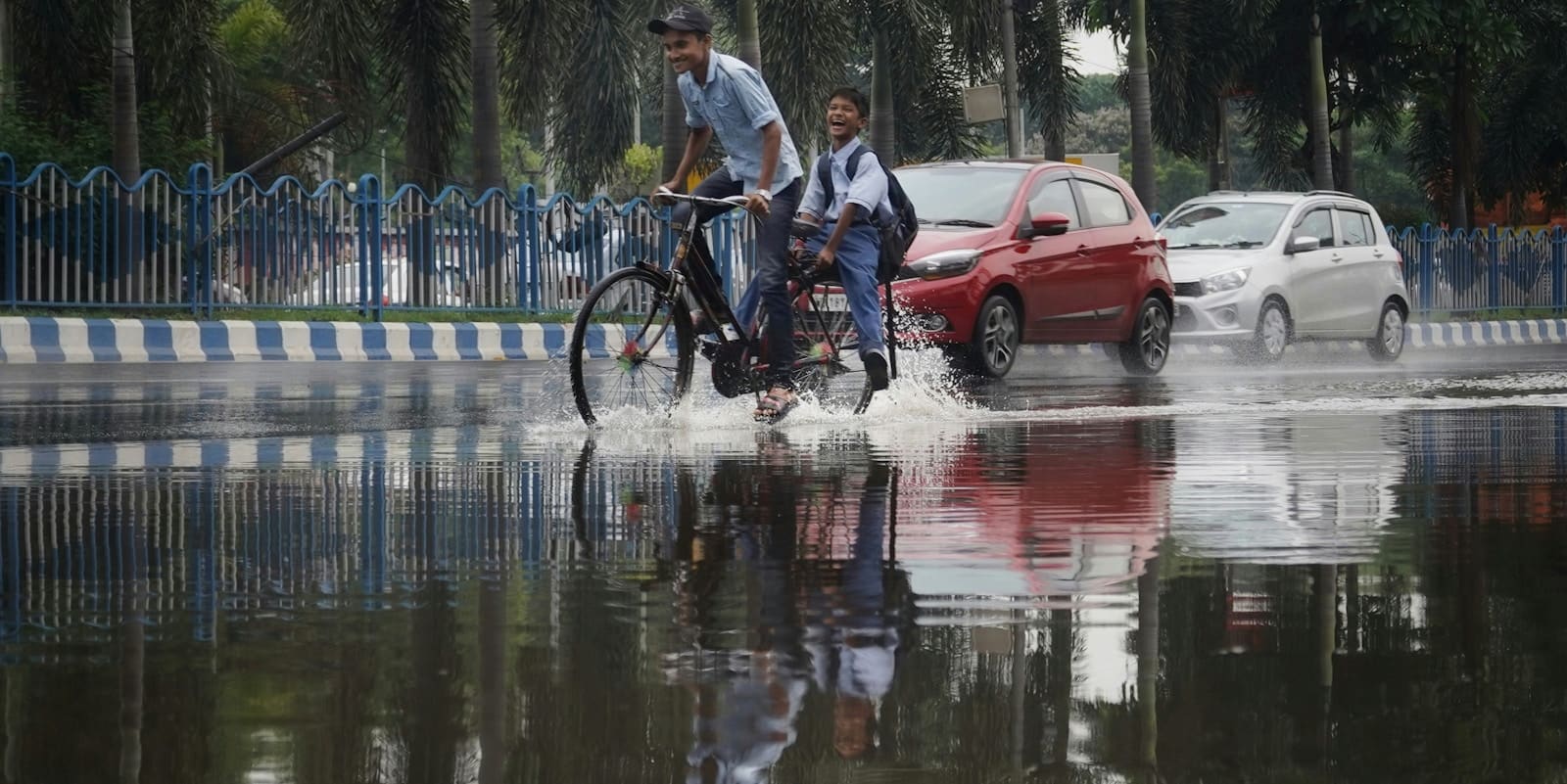
The monsoon floods that swept through India's Assam state between June and August 2026, killing at least 99 people and affecting more than 500,000 residents, were primarily caused by human development patterns rather than climate change, according to new research from World Weather Attribution (WWA).
The findings challenge assumptions about climate's role in extreme weather events and point instead to rapid urbanisation, deforestation, wetland destruction, and structural failures as the main drivers of the disaster.
Arpita Mondal from the Indian Institute of Technology Bombay noted that researchers focused on upper Assam specifically because of the significant socio-economic and environmental damage reported there, as well as the cumulative toll of catastrophic floods in the region year after year.
Rainfall Within Normal Range
The research team analysed historical weather records and climate models to assess extreme rainfall during both a three-day period from June 26-29 and a 30-day span from June 20 to July 19. Their conclusion: the heavy rainfall observed in 2026 was not exceptional, recurring every one to two years on average.
Mariam Zachariah from Imperial College London stated that combining observational results with climate models revealed no detectable climate change signal in either type of event. The team found no clear link between the flooding and human-induced rises in global temperatures.
Instead, the study identified land-use changes, sedimentation, and structural vulnerability as the primary factors turning routine monsoon rains into a deadly disaster.
Sedimentation and Development Pressure
The Brahmaputra River carries massive sediment loads each monsoon season, gradually raising the riverbed and reducing channel capacity. When water can no longer fit within the channel, it spills across the surrounding landscape.
This year's flooding was compounded by unplanned urbanisation and deforestation that degraded wetlands and disrupted natural drainage systems. Sneha Ganguly from the Red Cross Red Crescent Climate Centre pointed to evidence from a review of 35 studies suggesting that unplanned urbanisation, deforestation, poor drainage, inadequate structural flood management, and other human-driven changes now outweigh natural rainfall variability in explaining flood frequency.
The pattern reflects a broader shift across South Asia, where development pressures increasingly determine flood risk independent of precipitation levels.
Colonial Legacies and Exposure Patterns
The research also traces vulnerability to historical land-use decisions. Colonial appropriation of land for tea plantations forced Indigenous communities onto marginal, highly flood-prone riverbanks and sandbar areas known locally as chars. These systemic patterns of exposure persist today, concentrating risk among already vulnerable populations.
Assam has invested heavily in concrete embankments to control flooding, but the report warns that rigid infrastructure can worsen outcomes by trapping sediment and raising the likelihood of catastrophic breaches when defences fail.
Working With Rivers, Not Against Them
Ganguly argued that future adaptation strategies need to shift from controlling rivers toward working with them. Effective measures would combine targeted engineering with floodplain restoration, wetland conservation, restrictions on development in flood-prone areas, improved drainage, and enhanced community preparedness.
The findings carry implications for flood management across monsoon-affected regions in Asia, where infrastructure investment often prioritises hard defences over nature-based solutions. Assam's experience suggests that without addressing underlying land-use patterns and development practices, even substantial infrastructure spending may fail to reduce flood risk.
The Brahmaputra basin spans multiple countries and affects tens of millions of people. As urbanisation accelerates across the region, the balance between development and flood resilience will shape outcomes for communities that have coexisted with monsoon cycles for centuries.
The research underscores a broader challenge for rapidly developing Asian economies: managing growth in ways that preserve natural flood defences rather than eliminating them. For Assam, that means rethinking decades of infrastructure policy and development patterns that have systematically increased exposure to routine weather events.
RELATED STORIES

South Asia Loses 31 Million Full-Time Jobs Annually to Extreme Heat
Priyanka V. Rao · 3 min
India's Young Farmers Adopt Drones and Digital Tools to Navigate Climate Pressures
Priyanka V. Rao · 5 min
India's Ethanol Fuel Shift Draws Scrutiny Over Vehicle Compatibility
Priyanka V. Rao · 3 min
Eureka Forbes Launches Probe After Child Labor Found at New Delhi Supplier
Priyanka V. Rao · 2 min
Spot something wrong? Email editor@briefasia.com. We log every correction publicly.