Asia · Environment
Gwadar's Fishing Communities Face Livelihoods Crisis as Port Expansion Accelerates
Two decades of infrastructure development in Pakistan's strategic coastal city have displaced fishers, blocked sea access, and triggered environmental damage that has pushed many toward oil smuggling.
KEY TAKEAWAYS
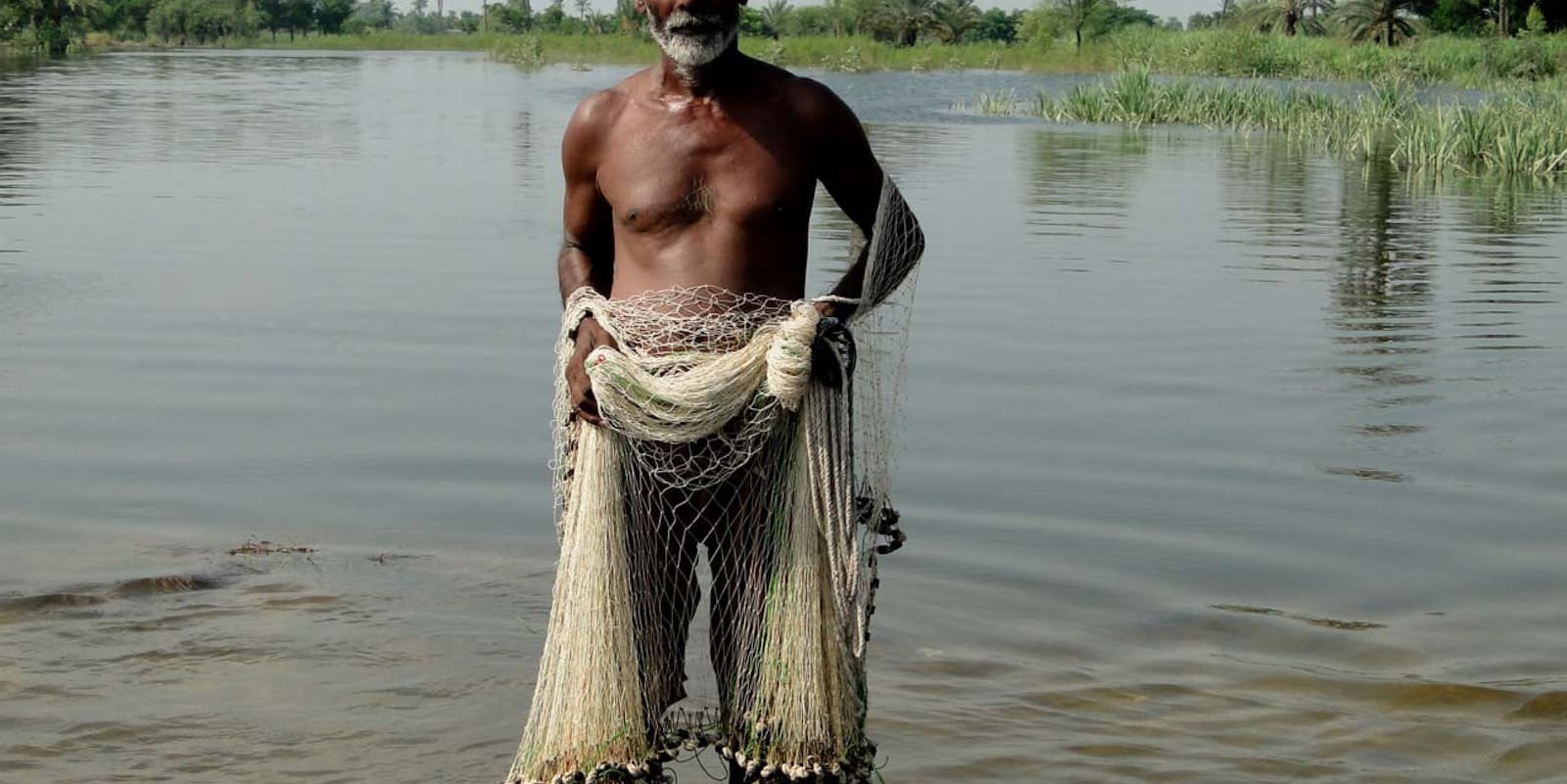
- ·Port development in Gwadar has displaced traditional fishing communities and restricted their access to waters that once provided abundant catches, forcing many into oil smuggling operations.
- ·A $168 million expressway completed in 2017 cut off fisher routes to the Arabian Sea, while new road networks have disrupted drainage patterns and caused recurring floods in low-lying neighborhoods.
- ·A 20-kilometer oil slick discovered in June along Gwadar's coast highlights environmental vulnerabilities created by the port's proximity to tanker routes and cross-border smuggling activity.
A Coast Transformed
On a June morning in Gwadar, residents walking along the beach discovered their shoes coated in dark oil. The slick extended 20 kilometers along Pakistan's southwestern coast, killing marine life and threatening the already-fragile fishing industry. While authorities have yet to confirm the source, the incident underscores the vulnerability of a city caught between rapid port development and traditional maritime livelihoods.
Gwadar, located near the Strait of Hormuz in Balochistan province, has undergone dramatic transformation since becoming the planned ocean terminus of the China-Pakistan Economic Corridor in 2015. What began as a natural harbor supporting a thriving fishing community has evolved into a strategic commercial port, with consequences that extend far beyond infrastructure.
Strategic Port, Displaced Community
The port's first phase, completed in 2007 at a cost of $248 million, was initially operated by the Port of Singapore Authority before operations transferred to China Overseas Ports Holding Company in 2013. The second development phase has brought a coastal highway, expanded airport, and plans for an "Oil City" project focused on petroleum storage and refining, according to the Gwadar Port Authority.
For fishers, the transformation has meant losing access to waters they once called their own Saindak and Reko Diq, a reference to Balochistan's famous gold and copper mines. The natural bay formed by a hammer-shaped peninsula, where fishers once cast nets year-round with abundant catches, now falls within restricted port precincts.
Abdul Rahim Baloch, deputy environment director at the Gwadar Development Authority, confirmed that fishers were forced to leave traditional fishing grounds as port construction advanced. Many former fishers no longer discuss the port publicly, fearing repercussions from local authorities.
Infrastructure Barriers
The 2017 construction of the Eastbay Expressway, a $168 million project connecting Gwadar port to the Makran coastal highway and onward to Karachi, created additional obstacles. Fishers protested for weeks in 2018 after the road cut off routes to the Arabian Sea. Authorities eventually built a concrete passageway beneath the expressway, but fishers say it remains inadequate.
Rauf Baloch, a local fisher, describes the situation as resembling an open jail, with severely restricted mobility for accessing fishing grounds. The displacement has coincided with increasing competition from large commercial trawlers from neighboring Sindh province, which fishers say violate the 12-nautical-mile coastal zone reserved for small-boat operations.
Flooding and Environmental Degradation
New road networks have disrupted natural drainage patterns, turning rainfall into a recurring crisis. Hydrologist Pazeer Ahmad explains that water previously flowed from land to sea during rains but now accumulates, raising groundwater tables and causing flooding from below the surface. Rainfall exceeding 40 millimeters, especially during high tide, quickly inundates low-lying areas.
Residents report that construction has made it impossible to build permanent structures in some neighborhoods. Barkat Baloch, a Gwadar district resident, says digging even shallow holes reveals standing water, preventing construction of walls or houses.
"Environmental impact is always present whenever there are mega-development projects such as ports, railways, dams," according to Hasan H Karrar, an associate professor at Lahore University of Management Sciences who studies infrastructure development in the region. "This is irrespective of which country is financing them and where they were being built."
From Fishing to Smuggling
The combination of restricted sea access, competition from industrial trawlers, port-related delays, and degraded fishing grounds has pushed many toward smuggling Iranian oil across the maritime border. One former fisher, who requested anonymity, said he now ventures to sea to transport oil rather than catch fish.
Maasi Zainab, an elderly resident of the Mullah Band coastal neighborhood, notes that fishers are often prevented from going to sea for hours when Chinese officials or VIPs move through the port area. By the time they reach deeper waters, commercial trawlers have already depleted fish stocks.
Social researcher KB Firaq points to the convergence of challenges: port-related flooding, destructive trawling practices dating to the 1990s, disrupted water flow, and oil spills from smuggling operations. The June oil slick, suspected to originate either from conflict in the Gulf or cross-border smuggling, damaged breeding grounds already under pressure.
Development Without Local Voice
Karrar emphasizes that the critical questions surrounding large infrastructure projects involve how environmental impacts are assessed, how they can be mitigated, and who participates in development conversations. In Gwadar, he says, local communities have minimal involvement in these discussions.
The renewed push on CPEC announced earlier this year includes additional development for Gwadar, with plans for the Oil City project moving forward. For fishing communities watching their traditional livelihoods disappear, the trajectory suggests further displacement rather than the improved circumstances that development proponents promised.
The Gwadar Port Authority has not announced specific measures to address the fishing community's concerns or mitigate the environmental impacts that have accumulated over two decades of port-led growth.
RELATED STORIES
Pakistan Signs $850 Million Pharmaceutical Deals With Chinese Companies
Priyanka V. Rao · 3 min
Saudi Arabia, Turkey, and Pakistan Sign Trilateral Defense Pact in Makkah
Priyanka V. Rao · 3 min
Pakistan Secures Access to $10 Billion US Currency Facility After Iran Diplomacy
Rajesh K. Iyer · 3 min
South Asia Loses 31 Million Full-Time Jobs Annually to Extreme Heat
Priyanka V. Rao · 3 min
Spot something wrong? Email editor@briefasia.com. We log every correction publicly.