Asia · Politics
Pakistan Secures Access to $10 Billion US Currency Facility After Iran Diplomacy
Islamabad applies for foreign exchange backstop following military chief's role in US-Iran mediation, though experts flag potential scrutiny over Beijing ties
KEY TAKEAWAYS
- ·Pakistan applied for a US foreign currency backstop facility worth up to $10 billion to strengthen its ability to manage reserve shocks.
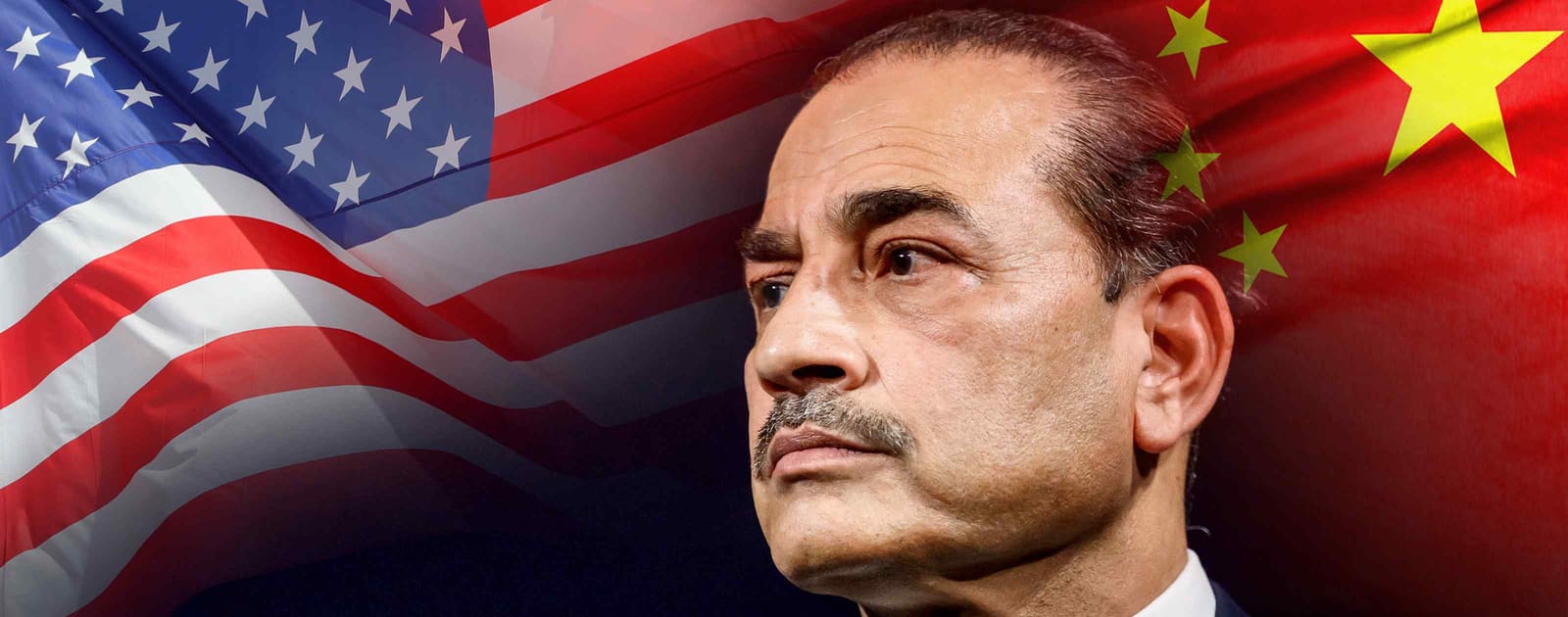
- ·The application follows mediation efforts between Washington and Tehran led by Pakistan's military chief Field Marshal Asim Munir.
- ·Experts caution the facility may invite US scrutiny of Pakistan's substantial debt obligations to China accumulated through Belt and Road projects.
Currency Backstop Request
Pakistan has submitted an application for a US foreign currency backstop facility valued at up to $10 billion, according to information obtained by regional sources. The move aims to strengthen Islamabad's capacity to manage potential shocks to its foreign exchange reserves, which have long been a vulnerability for the South Asian economy.
The facility represents a significant financial cushion for a country that has repeatedly faced balance-of-payments crises over the past decade. Pakistan's foreign reserves have fluctuated sharply in recent years, at times falling below levels sufficient to cover even two months of imports.
Diplomatic Groundwork
The currency facility application follows Pakistan's recent mediation efforts between Washington and Tehran. Field Marshal Asim Munir, Pakistan's military chief, led the diplomatic initiative that brought the two adversaries to the negotiating table. The behind-the-scenes work positioned Islamabad as a rare bridge between the United States and Iran, two powers that have maintained hostile relations for decades.
Pakistan's geographic position and its historical ties to both Washington and Tehran made it a natural intermediary. The country has walked a tightrope between maintaining its security relationship with the United States while managing a lengthy border with Iran and shared interests in regional stability.
The timing of the facility application suggests Islamabad is seeking to capitalize on goodwill generated by its mediation role. For Pakistan, the financial arrangement offers more than just reserve support. It signals a warming of ties with Washington at a moment when Islamabad faces economic pressures and mounting infrastructure needs.
China Debt Question
The facility comes with potential strings attached. Experts warn that accepting the US backstop may open the door to increased American scrutiny of Pakistan's debt obligations to China, which have grown substantially over the past decade through Belt and Road Initiative projects.
Pakistan owes billions of dollars to Chinese state banks and institutions, much of it tied to infrastructure investments including power plants, highways, and port development. The China-Pakistan Economic Corridor, a flagship BRI project, has channeled an estimated $60 billion in pledged investment into the country, though actual disbursement figures remain lower.
Washington has long expressed concern about Chinese lending practices in developing economies, particularly when debt burdens threaten to compromise strategic decision-making. A US-backed currency facility could give American officials leverage to push for greater transparency in Pakistan's financial arrangements with Beijing.
For Islamabad, the calculation involves balancing immediate reserve needs against longer-term autonomy. The $10 billion backstop would provide breathing room during external payment crunches, but it may also require Pakistan to navigate competing demands from its two most important economic partners.
Regional Financial Architecture
The facility fits into a broader pattern of South Asian economies seeking diversified sources of external support. Bangladesh, Sri Lanka, and Pakistan have all faced reserve pressures in recent years, forcing them to turn to the International Monetary Fund, bilateral partners, or currency swap arrangements.
Pakistan's pursuit of a US facility comes as it continues parallel negotiations with the IMF over longer-term program support. The country has been a frequent IMF borrower, completing multiple programs over the past three decades with mixed results on structural reform.
A US-backed currency backstop would complement rather than replace IMF arrangements. While the Fund imposes policy conditionality tied to fiscal and monetary targets, a bilateral facility typically carries different expectations, often linked to strategic or diplomatic objectives.
The application also reflects shifting geopolitical currents in Asia. As US-China competition intensifies, countries like Pakistan find themselves courted by both powers, each offering financial incentives in exchange for alignment. Pakistan's ability to extract concessions from Washington while maintaining its China relationship will test Islamabad's diplomatic agility in the years ahead.
The outcome of Pakistan's facility application remains uncertain, pending review by US Treasury officials and likely congressional notification. If approved, the backstop would rank among the largest bilateral financial commitments Washington has extended to Islamabad in recent memory.
RELATED STORIES
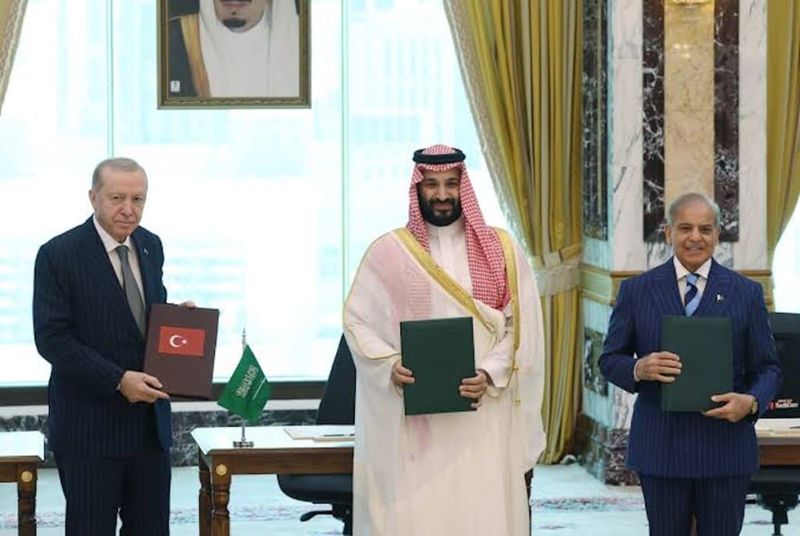
Saudi Arabia, Turkey, and Pakistan Sign Trilateral Defense Pact in Makkah
Priyanka V. Rao · 3 min

Pakistan Signs $850 Million Pharmaceutical Deals With Chinese Companies
Priyanka V. Rao · 3 min

Gwadar's Fishing Communities Face Livelihoods Crisis as Port Expansion Accelerates
Priyanka V. Rao · 4 min

Pakistan's Solar Boom Creates Hundreds of Thousands of Jobs, Leaves Workers Exposed to Dangerous Heat
Priyanka V. Rao · 5 min
Spot something wrong? Email editor@briefasia.com. We log every correction publicly.