Technology · Dev
German Suppliers Shift Aerospace Focus to Precision Manufacturing Tooling
At Automation Taipei 2026, industry session highlights connectors, bonding systems, and robotic assembly as next frontier for aerospace production efficiency
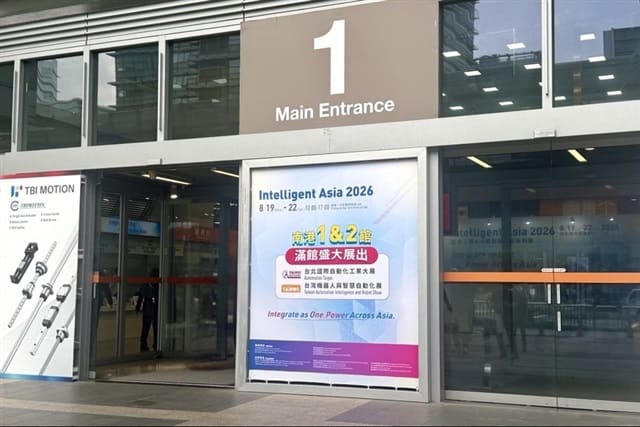
KEY TAKEAWAYS
- ·German suppliers presented connector systems, laser processing, and robotic assembly technologies at Automation Taipei on August 20, targeting aerospace production bottlenecks.
- ·The session emphasized manufacturing processes like bonded joints, dispensing path optimization, and surface preparation rather than final aircraft performance metrics.
- ·Taiwan's growing role in aerospace subassembly work drives demand for advanced automation tooling as local manufacturers compete on precision and process control.
Behind the Airframe
The aerospace industry typically measures progress in thrust ratios and fuel efficiency. But a German Industry Solutions Session at Automation Taipei on August 20 revealed that the next wave of manufacturing gains will come from far less glamorous territory: the tooling, bonding systems, and automated assembly lines that actually build aircraft and spacecraft components.
The session drew attention to precision manufacturing challenges that rarely make headlines but directly affect production timelines and quality control. Rather than focusing on final aircraft performance metrics, German suppliers outlined advances in the underlying processes that join, coat, dispense, and assemble aerospace parts.
Automation in the Supply Chain
Connector systems, bonded joints, and laser-processed surfaces emerged as key themes. These elements sit deep within aerospace supply chains, yet they determine whether a fuselage panel meets tolerance specifications or whether a satellite component can withstand launch vibration.
German firms presenting at the session emphasized robotic assembly cells and dispensing path optimization. These technologies address production bottlenecks that can delay entire programs when manual processes fail to scale or maintain consistency across thousands of units.
Taiwan's role as a precision manufacturing hub for aerospace subassemblies makes the Automation Taipei forum a natural venue for such discussions. The island produces fasteners, machined components, and composite parts for global aerospace programs, and local manufacturers face the same scaling challenges that German tooling suppliers aim to solve.
The Hidden Costs of Manual Assembly
Aerospace production differs from consumer electronics or automotive manufacturing in its low volumes and high complexity. A single aircraft may contain millions of fasteners, kilometers of wiring, and thousands of bonded joints, each requiring inspection and traceability. Manual processes introduce variability that automated systems can reduce.
Laser processing technology, highlighted during the session, offers precise surface preparation for bonding and coating applications. This matters in aerospace because even microscopic contamination or roughness variations can compromise structural integrity or cause premature failure in high-stress environments.
Dispensing systems, another focus area, control the application of adhesives, sealants, and coatings. Robotic dispensing ensures consistent bead width, layer thickness, and cure timing, variables that directly affect weight, strength, and long-term durability.
Regional Manufacturing Dynamics
The German presence at Automation Taipei reflects broader shifts in aerospace supply chain geography. As Asian manufacturers move up the value chain from basic machining to complex subassembly work, demand for advanced automation tooling grows. European suppliers see opportunity in providing the specialized equipment that enables this transition.
Taiwan's aerospace component exports have grown steadily, driven by contracts with Boeing, Airbus, and emerging space launch providers. Local firms increasingly compete not just on cost but on precision and process control, areas where German automation technology offers measurable advantages.
The session also underscored a strategic tension in aerospace manufacturing: the need to maintain artisanal quality standards while achieving industrial-scale output. Robotic assembly cells and laser processing systems represent one path to resolving that tension, embedding skilled process knowledge into automated workflows that can run consistently across shifts and facilities.
What This Means for Production Timelines
Aerospace programs often face delays tied not to design failures but to manufacturing ramp-up struggles. When a new aircraft model enters production, suppliers must scale from prototype quantities to hundreds or thousands of units per year. Bottlenecks in joining, coating, or assembly processes can ripple through the entire supply chain, delaying deliveries and inflating costs.
The German firms at Automation Taipei positioned their technologies as de-risking tools, systems that compress learning curves and reduce the variability that causes production delays. For Asian suppliers aiming to secure long-term aerospace contracts, investing in such automation becomes a competitive necessity rather than an operational luxury.
The emphasis on connectors and bonded joints also signals a shift in aerospace design philosophy. As composite materials replace metals and electrical systems grow more complex, traditional mechanical fastening gives way to adhesive bonding and integrated connector assemblies. Manufacturing processes must evolve in parallel, and the tooling suppliers who adapt fastest will capture the next generation of aerospace production business.
Automation Taipei continues through August 23, with additional sessions covering robotics integration, smart factory architectures, and quality control systems for high-reliability manufacturing.
RELATED STORIES
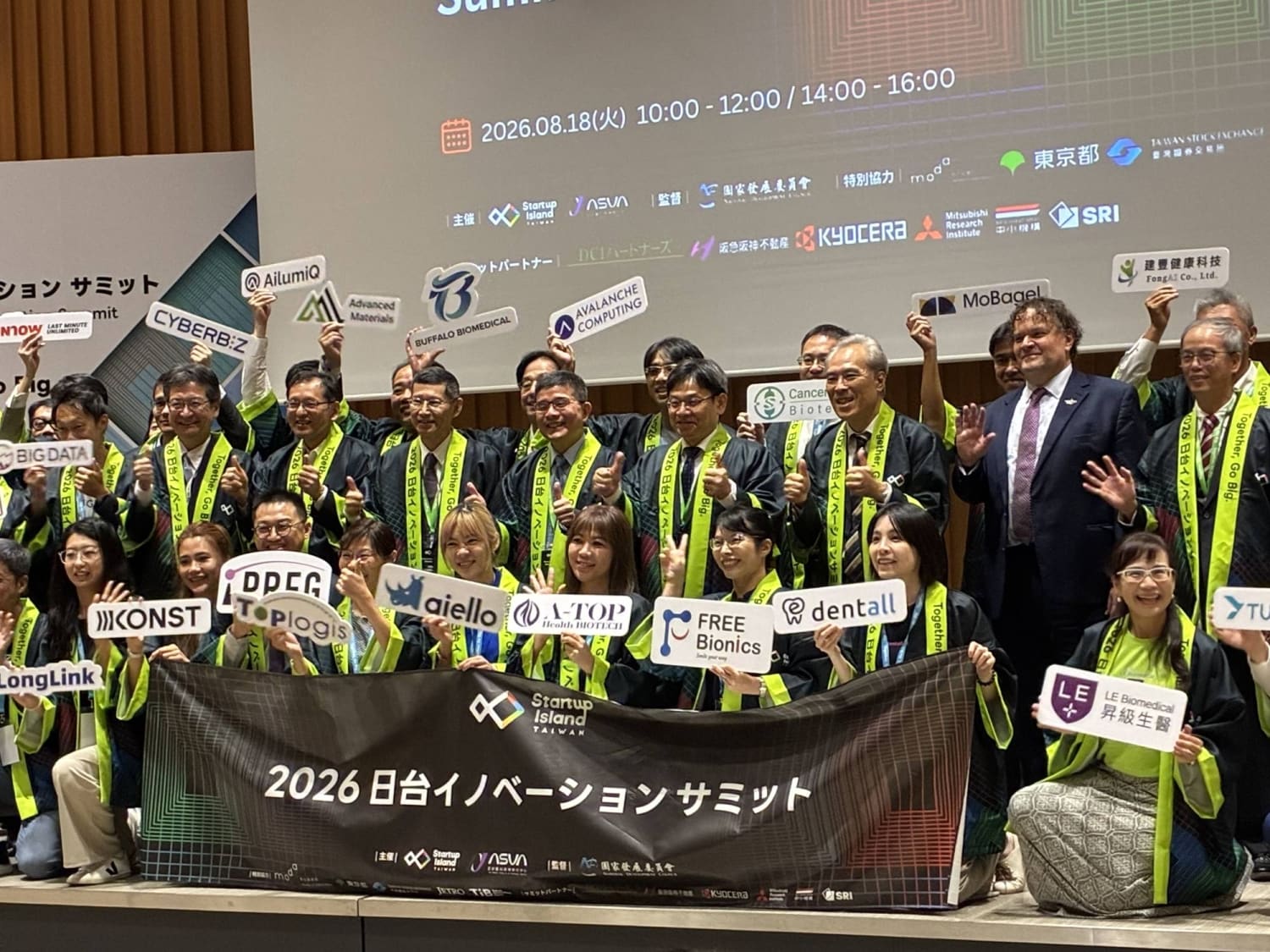
Tokyo Summit Pushes Trilateral Tech Alliance Among Taiwan, Japan, and US
Cheng Wei-Lun · 3 min
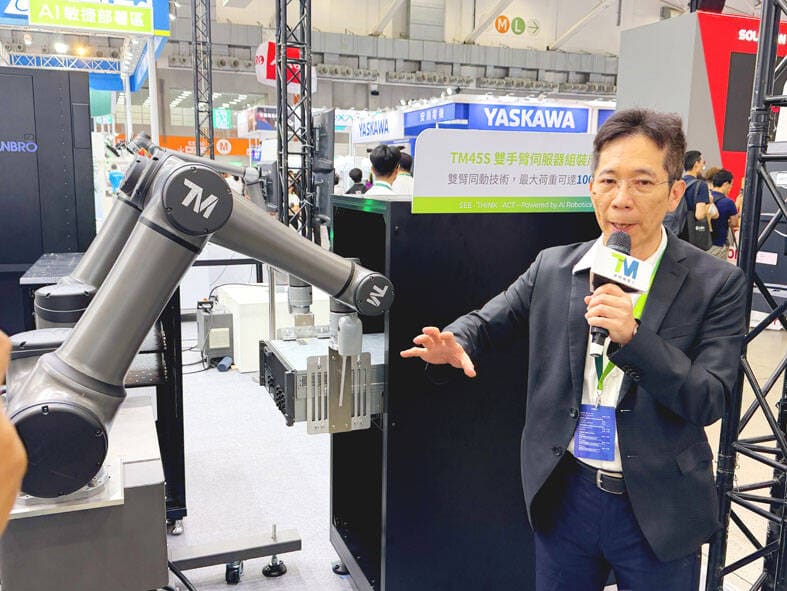
Techman Unveils Heavy-Duty Dual-Arm Robot for AI Server Assembly
Cheng Wei-Lun · 3 min

Taiwan Think Tank Warns of China's National Push in Physical AI and Robotics
Cheng Wei-Lun · 3 min

South Korea's Chip Concentration Carries Lower Risk Than Taiwan's, Financial Analysis Shows
Cheng Wei-Lun · 3 min
Spot something wrong? Email editor@briefasia.com. We log every correction publicly.