Technology · Policy
Tokyo Summit Pushes Trilateral Tech Alliance Among Taiwan, Japan, and US
Industry leaders and policymakers convened at the Japan-Taiwan Innovation Summit to advance cross-border collaboration on semiconductors, AI infrastructure, and supply chain resilience
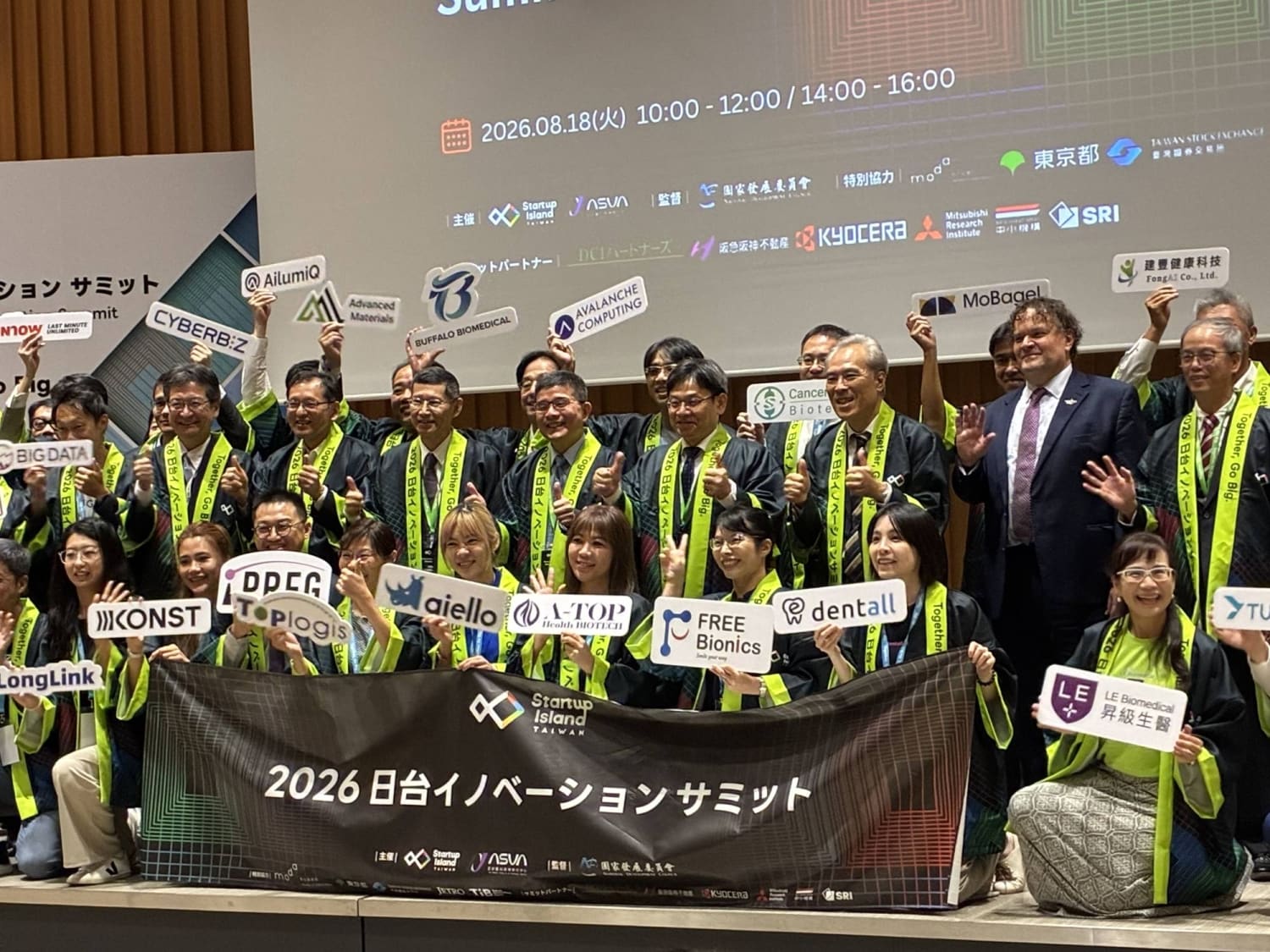
KEY TAKEAWAYS
- ·The Japan-Taiwan Innovation Summit in Tokyo called for stronger technology collaboration among Taiwan, Japan, and the United States, focusing on semiconductors, AI, and supply chain security.
- ·Taiwan's chip fabrication capacity, Japan's semiconductor materials expertise, and US chip design leadership form a complementary triangle that participants aim to formalize through joint research and coordinated export frameworks.
- ·Summit attendees proposed establishing a permanent secretariat and regular ministerial dialogues, with a follow-up meeting planned within six months to assess progress on trilateral initiatives.
Regional Tech Powerhouses Convene in Tokyo
The Japan-Taiwan Innovation Summit convened in Tokyo this week with a clear mandate: strengthen technology partnerships among Taiwan, Japan, and the United States. Participants gathered Tuesday to explore pathways for deeper collaboration on semiconductor manufacturing, artificial intelligence infrastructure, and supply chain resilience across the Indo-Pacific.
The summit brought together industry executives, government representatives, and technology strategists from across the region. Discussions centered on how the three economies can pool their complementary strengths in chip design, precision manufacturing, and advanced materials to maintain competitive advantage in critical technology sectors.
Semiconductor Supply Chain at the Core
Taiwan's dominance in advanced chip fabrication, Japan's leadership in semiconductor materials and equipment, and US strength in chip design and software form a natural triangle of interdependence. Summit participants emphasized the need to formalize this relationship through joint research initiatives, shared production standards, and coordinated export frameworks.
The push comes as global semiconductor demand continues to outpace supply, particularly for chips powering AI workloads, autonomous systems, and edge computing devices. Industry figures point to capacity constraints at leading foundries and bottlenecks in specialty materials as ongoing vulnerabilities that trilateral cooperation could address.
Japan has been investing heavily in domestic chip production capacity, with government subsidies supporting new fabrication facilities and upgrades to existing lines. Taiwan remains the world's largest contract chipmaker by output volume, while the United States has committed tens of billions in incentives to bring advanced manufacturing onshore.
AI and Next-Generation Infrastructure
Beyond semiconductors, summit discussions covered artificial intelligence development and the computational infrastructure required to support it. Participants examined opportunities for shared data center investments, collaborative AI model training, and joint standards for AI safety and governance.
Japan's strengths in robotics and industrial automation, Taiwan's expertise in high-performance computing hardware, and US leadership in software platforms and cloud architecture present opportunities for integrated AI ecosystems. The summit explored how these capabilities could be combined to accelerate deployment of AI in manufacturing, logistics, healthcare, and urban management.
Several participants highlighted the importance of aligning regulatory approaches to emerging technologies. Divergent standards for data privacy, cross-border data flows, and AI transparency could fragment markets and slow adoption, they noted.
Geopolitical Context and Supply Chain Security
The call for closer cooperation unfolds against a backdrop of intensifying technology competition and shifting geopolitical alignments. Concerns over supply chain concentration, technology transfer, and access to critical materials have prompted governments across the region to prioritize resilience and diversification.
Summit participants acknowledged that technology cooperation increasingly carries strategic dimensions. Ensuring secure supply chains for advanced chips, maintaining access to rare earth elements, and protecting intellectual property in collaborative research ventures were recurring themes.
The three economies have already taken steps toward closer alignment. Joint working groups on semiconductor standards, bilateral research agreements, and coordinated approaches to technology export controls have emerged over the past two years. The summit represents an effort to formalize and expand these initiatives.
Next Steps and Implementation
Participants discussed concrete mechanisms for advancing trilateral cooperation, including joint funding for research and development, shared facilities for prototyping and testing, and secondment programs for engineers and researchers.
Several attendees proposed establishing a permanent secretariat to coordinate ongoing collaboration and track progress on joint initiatives. Others called for regular ministerial-level dialogues to ensure alignment at the policy level.
The summit concluded with a commitment to reconvene within six months to assess progress and identify new areas for cooperation. Industry representatives expressed cautious optimism that the gathering would translate into tangible projects rather than remain a forum for discussion alone.
As technology competition intensifies globally, the ability of Taiwan, Japan, and the United States to coordinate their considerable assets in semiconductor manufacturing, advanced materials, and software innovation will shape not only their individual competitiveness but also the broader balance of technological power in the Indo-Pacific. The Tokyo summit represents a step toward making that coordination operational.
RELATED STORIES
Taiwan's Idle Funds Set to Triple in Two Years as AI Exports Surge
Cheng Wei-Lun · 3 min
Taiwan Think Tank Warns of China's National Push in Physical AI and Robotics
Cheng Wei-Lun · 3 min
Taiwan High Speed Rail Takes Delivery of New Train Cars in Kaohsiung
Cheng Wei-Lun · 2 min
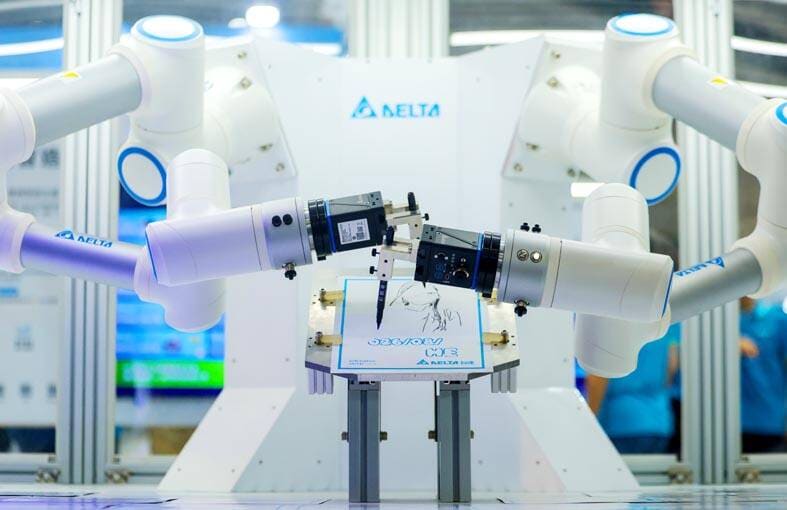
Delta Electronics Unveils AI-Powered Dual-Arm Cobot for Server Assembly
Cheng Wei-Lun · 3 min
Spot something wrong? Email editor@briefasia.com. We log every correction publicly.