Finance · Markets
Taiwan's Idle Funds Set to Triple in Two Years as AI Exports Surge
Excess savings projected to hit NT$11 trillion in 2027, up from NT$4 trillion in 2024, as semiconductor boom outpaces domestic investment capacity
KEY TAKEAWAYS
- ·Taiwan's excess savings are projected to reach NT$11 trillion in 2027, nearly triple the NT$4 trillion recorded in 2024, driven by AI export growth.
- ·The excess savings rate is forecast to hit 29.49 percent next year, up from 25.13 percent this year, as external earnings outpace domestic investment capacity.
- ·Gross domestic investment is expected to climb to NT$9.22 trillion in 2027, reflecting manufacturers' efforts to expand production despite the widening savings gap.
Record Cash Pile Reflects Export Strength
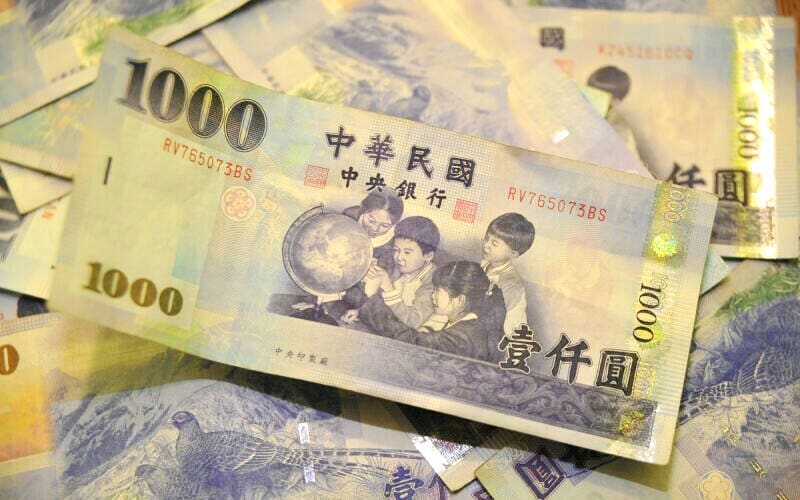
Taiwan's excess savings are expected to climb to NT$11 trillion (US$345 billion) in 2027, marking a near-threefold increase from NT$4 trillion just two years earlier, according to the Directorate General of Budget, Accounting and Statistics. The surge reflects how rapidly AI demand has boosted the island's current account surplus, even as domestic investment hits record levels.
The excess savings rate is forecast to reach 29.49 percent next year, up from an estimated 25.13 percent this year. Excess savings measure the gap between gross domestic savings and gross domestic investment, effectively capturing funds generated but not immediately deployed within the economy.
Between 2020 and 2023, Taiwan's excess savings held steady around NT$3 trillion. That changed in 2024 when global appetite for AI applications accelerated, pushing Taiwanese exports sharply higher. The figure crossed NT$4 trillion that year, then jumped to NT$5.6 trillion in 2025. This year, the directorate projects the total will reach NT$8.4 trillion.
Investment Climbing But Lagging Export Gains
The rise in idle funds does not signal stagnant capital deployment. Gross domestic investment is expected to hit NT$8.74 trillion this year, up from NT$7.28 trillion last year, and climb further to NT$9.22 trillion in 2027, according to the directorate.
Tsai Yu-tai, chief of the directorate's statistics department, noted that many high-tech manufacturers are actively channeling disposable funds into production expansion to meet AI demand. The agency revised its excess savings estimate for this year down to NT$8.4 trillion from NT$9 trillion in May, after accounting for higher-than-anticipated investment.
The widening gap simply means savings are accumulating faster than investment can absorb them. Taiwan's GDP is forecast to grow 11.05 percent this year, a 39-year high, driven by exports, investment, and consumption. Growth is expected to moderate to 6.04 percent in 2027 as the comparison base rises.
Asia's Capital Allocation Challenge
The trend underscores a broader challenge facing export-driven Asian economies: converting trade surpluses into productive domestic uses. While Taiwan's semiconductor and AI hardware sectors are expanding capacity aggressively, the pace of external demand growth has outstripped the speed at which manufacturers can build fabs, hire workers, and commission equipment.
For policymakers, the rising excess savings rate poses questions about capital efficiency. Idle funds can indicate underinvestment in infrastructure, services, or wage growth, areas where Taiwan has historically lagged relative to its manufacturing prowess. Yet the directorate's downward revision of the excess savings forecast suggests that private sector investment is beginning to catch up, even if it remains a step behind the export windfall.
The current account, which tracks trade in goods and services, has been the primary driver of the savings buildup. Taiwan's position as the dominant supplier of advanced logic chips has made it a direct beneficiary of the AI infrastructure buildout underway in North America, Europe, and parts of Asia.
What Comes Next
The sustainability of this trajectory depends on whether AI demand holds through the next product cycle. If investment continues to rise at the pace projected by the directorate, the excess savings rate could begin to stabilize or even decline, signaling a healthier balance between external earnings and domestic capital formation.
For now, Taiwan's manufacturers appear confident. The NT$9.22 trillion investment forecast for next year would represent a 5.5 percent increase over this year's figure, suggesting that capacity expansion plans remain robust. Whether that optimism translates into a narrowing of the savings gap will depend on execution, regulatory support, and the trajectory of global tech spending.
RELATED STORIES
King Slide Founder Tops Taiwan Wealth Rankings on AI Server Boom
Cheng Wei-Lun · 3 min
Foxconn Reports Record Quarterly Profit on AI Server Demand
Cheng Wei-Lun · 3 min
Taiwan Sees Fastest Economic Growth in Four Decades on AI Boom
Cheng Wei-Lun · 3 min
DBS Reshuffles Senior Leadership Across Three Asian Markets
Priyanka V. Rao · 3 min
Spot something wrong? Email editor@briefasia.com. We log every correction publicly.