Finance · Deals
King Slide Founder Tops Taiwan Wealth Rankings on AI Server Boom
Lin Tsung-chi's net worth surged to $19.5 billion as shares in the server rail kit maker hit record highs, driven by explosive demand for artificial intelligence infrastructure.
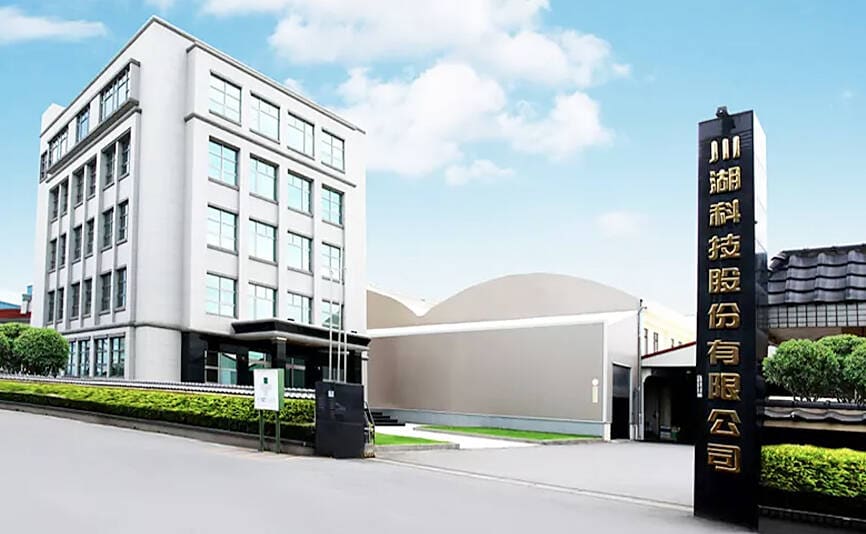
KEY TAKEAWAYS
- ·Lin Tsung-chi of King Slide Works became Taiwan's wealthiest person with a $19.5 billion net worth after shares hit NT$13,750, driven by AI server demand.
- ·King Slide reported July revenue of NT$6.41 billion, up 355.52 percent year-on-year, with net profit jumping 321 percent to NT$4.79 billion.
- ·The company controls over 90 percent of the AI rail kit market through a portfolio of more than 3,600 patents and is expanding capacity in Kaohsiung and Houston.
Record Share Price Propels New Wealth Leader
Lin Tsung-chi, founder and chairman of King Slide Works Co, has claimed the title of Taiwan's richest person after shares in his server component manufacturing company surged to NT$13,750, hitting the daily trading limit and marking an all-time high. The rally pushed Lin's net worth to $19.5 billion, according to Forbes' real-time billionaires list, vaulting him past Yageo Corp founder Pierre Chen, whose fortune stands at $17.4 billion. Lin now ranks 140th globally.
The wealth surge reflects investor enthusiasm for King Slide's position in the AI infrastructure supply chain. The Kaohsiung-based manufacturer supplies precision rail kits used in server racks, a critical but often overlooked component in data center hardware. As hyperscalers and cloud providers race to build out AI computing capacity, demand for these rail systems has exploded.
Revenue Surge Driven by AI Infrastructure Build-Out
King Slide's financial performance has tracked the AI infrastructure boom with remarkable precision. The company reported consolidated revenue of NT$6.41 billion ($201 million) for July, representing a 355.52 percent increase year-on-year. Net profit for the month jumped 321 percent to NT$4.79 billion.
For the first seven months of the year, cumulative revenue reached NT$22.69 billion, up 136.58 percent from the same period in 2025. Earnings per share for July alone stood at NT$50.24, bringing the seven-month cumulative EPS to NT$161.2. That figure has already surpassed the NT$103.23 recorded for the entirety of last year.
The company's shares have climbed 266.67 percent in 2026, making King Slide one of only three stocks on the Taiwan Stock Exchange to cross the NT$10,000 threshold. The stock breached that psychological barrier earlier this month.
Patent Portfolio and Manufacturing Scale Create Competitive Moat
King Slide's dominance in the AI server rail kit market rests on a substantial patent portfolio and manufacturing capabilities that rivals struggle to replicate. The company holds more than 3,600 patents related to rail and slide mechanisms, covering designs, materials, and production processes. This intellectual property fortress, combined with highly automated production lines and economies of scale, has allowed King Slide to maintain technical barriers that protect its market position.
Yuanta Securities Investment Consulting estimates that King Slide commands more than 90 percent of the global AI rail kit market. The firm highlighted the company's "patent moat" as a key factor in sustaining this leadership position, even as demand for data center hardware draws new entrants into adjacent component markets.
The rail kits themselves might seem mundane, but they play a crucial role in server density and serviceability. AI servers, which often house expensive GPU accelerators, require frequent access for maintenance and upgrades. High-quality rail systems enable smooth, reliable movement of heavy server chassis in and out of racks, reducing downtime and hardware damage. As AI workloads push server configurations toward higher power densities and heavier weights, the engineering demands on rail systems have intensified.
Capacity Expansion to Support Multi-Year Growth
King Slide is expanding production capacity at facilities in Kaohsiung and Houston, Texas, to meet projected demand through the end of the decade. Yuanta Securities expects the company's growth momentum to continue through 2029, supported by ongoing investments in AI infrastructure by major cloud providers and enterprise customers across North America and Asia.
The Houston facility positions King Slide closer to major US data center markets and provides geographic diversification in a supply chain environment increasingly shaped by trade policy considerations. The expansion also reflects confidence that AI-driven demand for server components will persist beyond the current investment cycle.
Taiwan's semiconductor and hardware component sectors have emerged as primary beneficiaries of the global AI build-out. While much attention has focused on Taiwan Semiconductor Manufacturing Co and its role in producing advanced chips for Nvidia and other AI accelerator designers, the ecosystem of component suppliers like King Slide has also captured significant value. The sector's performance underscores the depth of Taiwan's electronics manufacturing base and its ability to scale production rapidly in response to technology shifts.
Lin's ascent to the top of Taiwan's wealth rankings highlights how specialized manufacturing expertise, rather than consumer brands or financial services, continues to generate outsized returns in the region's economy. His rise also illustrates the speed with which fortunes can shift in technology supply chains, where a single product category tied to a transformative technology can produce extraordinary financial outcomes in a compressed timeframe.
RELATED STORIES
Foxconn Reports Record Quarterly Profit on AI Server Demand
Cheng Wei-Lun · 3 min
Taiwan's Idle Funds Set to Triple in Two Years as AI Exports Surge
Cheng Wei-Lun · 3 min
Taiwan's Index Weight Climbs as MSCI Elevates Memory Makers
Cheng Wei-Lun · 3 min
Asia Vital Components Posts Record Margins on AI Server Cooling Demand
Cheng Wei-Lun · 2 min
Spot something wrong? Email editor@briefasia.com. We log every correction publicly.