Finance · Markets
Taiwan's Index Weight Climbs as MSCI Elevates Memory Makers
Nanya Technology and Winbond join the MSCI Taiwan Index as the benchmark compiler raises Taiwan's global equity presence amid a 60 percent rally driven by AI infrastructure demand.
KEY TAKEAWAYS
- ·MSCI raised Taiwan's weighting in the All Country World Index to 3.13 percent and in the Emerging Markets Index to 26.85 percent, effective August 31.
- ·Six companies including memory makers Nanya Technology and Winbond Electronics are moving from the small-cap index to the flagship MSCI Taiwan Index.
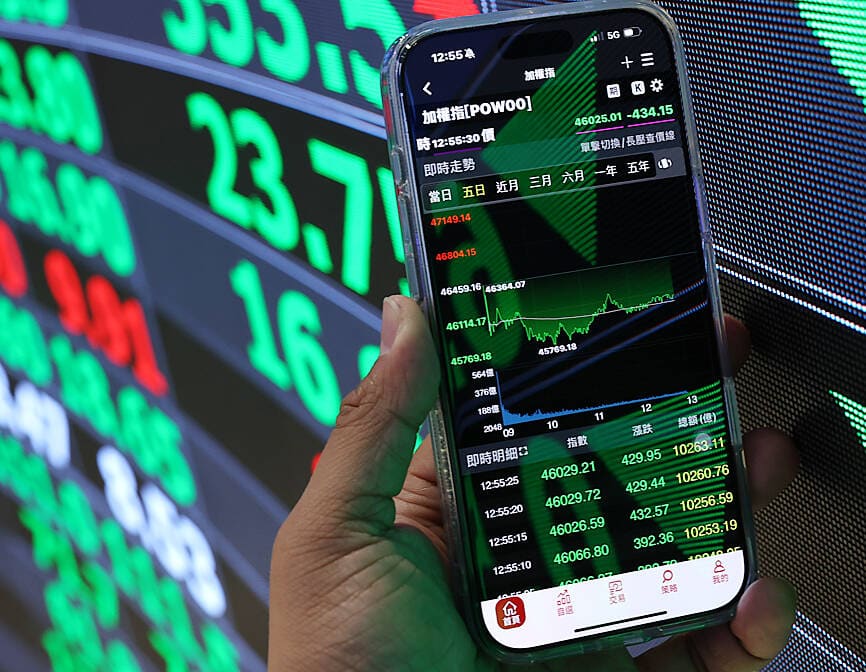
- ·The TAIEX has rallied nearly 60 percent this year, driven by global spending on AI infrastructure and demand for Taiwan's semiconductor and memory products.
Weight Adjustments Reflect Market Momentum
MSCI Inc has lifted Taiwan's representation in its flagship global equity benchmarks, with the island's weighting in the MSCI All Country World Index rising to 3.13 percent from 3.08 percent, according to the index compiler. The move reflects Taiwan's equity market rally and evolving accessibility for international capital.
The adjustment, effective after market close on August 31, also pushes Taiwan's share in the MSCI Emerging Markets Index to 26.85 percent from 26.6 percent. In the MSCI All Country Asia ex Japan Index, Taiwan's presence expands to 30.03 percent from 29.75 percent.
Six Taiwan-listed companies are graduating from the MSCI Taiwan Small Cap Index to the MSCI Taiwan Index: memory manufacturers Nanya Technology and Winbond Electronics, flash storage controller specialist Phison Electronics, and substrate makers Kinsus Interconnect Technology, Nan Ya Printed Circuit Board, and Taiwan Union Technology.
Memory Sector Gains Traction
Nanya Technology's promotion marks a milestone for Taiwan's memory industry. Institutional investors had identified the company as a candidate for the upgrade over multiple review cycles. The shift arrives as Taiwan's memory chip makers benefit from surging orders tied to artificial intelligence infrastructure and high-performance computing systems, alongside tight supply conditions for conventional memory products.
Companies included in the MSCI Taiwan Index typically draw deeper scrutiny from global funds than their small-cap counterparts. The elevation is likely to trigger portfolio rebalancing among funds that track these benchmarks, according to the Taiwan Stock Exchange.
Moving in the opposite direction, six companies are being downgraded to the MSCI Taiwan Small Cap Index: Taiwan Cement, Yang Ming Marine Transport, Taiwan Business Bank, International Games System, eMemory Technology, and Caliway Biopharmaceuticals.
Rally Underpins Index Presence
The benchmark TAIEX has climbed nearly 60 percent this year, closing at 46,021.48 on August 13, up 1.11 percent for the session. The surge has been powered by global capital flowing into AI-related hardware, lifting valuations for Taiwan's chipmakers, memory suppliers, and technology equipment manufacturers.
The weighting increases underscore Taiwan's expanding role in global equity portfolios. Large technology firms account for a substantial portion of the island's market capitalization, meaning that valuation shifts in these companies can produce outsized effects on index weights and on international portfolios anchored to MSCI benchmarks, the exchange noted.
MSCI conducts quarterly reviews of its indices, adjusting constituents and weights based on market capitalization, liquidity, and foreign ownership limits. The latest changes arrive at a moment when Taiwan's semiconductor and memory industries are riding a wave of demand tied to next-generation computing architectures.
For fund managers tracking MSCI indices, the adjustments translate into buying pressure for the promoted companies and potential selling for those downgraded. Passive funds tied to these benchmarks typically execute rebalancing trades in the days leading up to the effective date to minimize tracking error.
The higher profile for memory and substrate makers also signals a broadening of Taiwan's technology export base beyond foundry services. As data center operators and cloud infrastructure providers expand capacity to support AI workloads, demand for high-bandwidth memory and advanced packaging substrates has accelerated, benefiting firms across Taiwan's semiconductor supply chain.
Taiwan's equity market has attracted record inflows from foreign institutional investors this year, drawn by the island's concentration of companies essential to global AI supply chains. The MSCI weight increases formalize that shift, embedding Taiwan more deeply into benchmark portfolios managed by pension funds, sovereign wealth vehicles, and exchange-traded funds worldwide.
RELATED STORIES
Foxconn Reports Record Quarterly Profit on AI Server Demand
Cheng Wei-Lun · 3 min
Foxconn Q2 Profit Jumps 35% as AI Server Sales Cross Half of Revenue
Cheng Wei-Lun · 3 min
E.Sun Financial to Complete Mercuries Life Merger With $684 Million Capital Injection
Cheng Wei-Lun · 2 min
DBS Reshuffles Senior Leadership Across Three Asian Markets
Priyanka V. Rao · 3 min
Spot something wrong? Email editor@briefasia.com. We log every correction publicly.