Finance · Deals
Genting Singapore Profit Drops One-Third as Casino Revenue Weakens
The Resorts World Sentosa operator reported $156.1 million in first-half profit amid softer consumer spending and moderating tourism arrivals, though non-gaming segments posted gains.

KEY TAKEAWAYS
- ·Genting Singapore reported first-half profit of $156.1 million, down 33.5% year-on-year, driven by higher depreciation and lower interest income amid softer consumer spending.
- ·Gaming revenue fell roughly 4% to $804.4 million while non-gaming revenue climbed 6% to $388.6 million, supported by refreshed attractions and hospitality offerings at Resorts World Sentosa.
- ·The company maintained its interim dividend at $0.02 per share and remains on track to complete its RWS 2.0 transformation by 2030, with additional refresh projects planned through 2028.
Earnings Decline Amid Softer Market Conditions
Genting Singapore posted a first-half profit of $156.1 million for the six months ended June 30, down 33.5% from $234.7 million in the prior-year period. The resort and casino operator cited higher depreciation, reduced interest income, and costs tied to asset refresh projects as key factors behind the decline, according to the company's August 13 filing with the Singapore Exchange.
Revenue held relatively steady at $1.2 billion, slipping just 0.9% year-on-year. The stability reflected diverging performance across business lines: while gaming revenue contracted, non-gaming operations posted solid growth.
Gaming revenue totaled $804.4 million, down approximately 4% from the previous year. The operator attributed the softness to weaker consumer spending patterns and moderating tourist flows into Singapore during the period. Second-quarter demand proved particularly muted on a seasonal basis, the company noted.
Non-Gaming Segments Provide Offset
Non-gaming revenue climbed roughly 6% year-on-year to reach $388.6 million. Genting Singapore credited the performance to refreshed attractions, enhanced hospitality services, and new experiential offerings at Resorts World Sentosa. The growth came even as broader tourism conditions showed signs of cooling.
The company's "other revenue" segment within Singapore leisure and hospitality contributed an additional $10.3 million during the half.
Adjusted earnings before interest, taxes, depreciation, and amortization fell 8.4% to $389.8 million, compared with $423.7 million a year earlier. Earnings per share came in at $0.0129, down from $0.0194 in the same period last year.
Capital Deployment and Shareholder Returns
Genting Singapore declared an interim dividend of $0.02 per share for the first half, matching the prior-year payout. The dividend is scheduled for distribution on September 17.
Cash flow during the period reflected ongoing capital expenditure tied to the RWS 2.0 transformation program, which the company said remains on schedule for completion in 2030. The multi-year initiative aims to expand and modernize the integrated resort.
Beyond the flagship transformation, Genting Singapore outlined plans for refresh and upgrade work at Hotel Michael, Crockfords Tower, dining venues, and other guest-facing areas. The company expects to roll out new and revitalized facilities progressively through 2027 and 2028.
Operational Bright Spots in Recent Quarter
Resorts World Sentosa delivered adjusted EBITDA of $210.8 million in the second quarter alone, marking an 18% increase from the first quarter and a 12% gain year-on-year. Genting Singapore attributed the performance to new offerings and operational resilience despite headwinds in the broader market.
The results suggest that while macroeconomic pressures and regional tourism trends pose challenges, targeted investments in attractions and services are beginning to translate into improved operating metrics at the property level.
Market Reaction
Shares of Genting Singapore jumped 6.4% to close at 66.5 cents on August 14, the session following the earnings release. The gain reflected investor confidence in the company's strategic positioning and its ability to navigate near-term demand volatility through diversified revenue streams.
The stock movement also underscored market appetite for integrated resort operators that can balance gaming exposure with non-gaming growth engines, particularly as consumer behavior in Asia continues to evolve post-pandemic.
RELATED STORIES
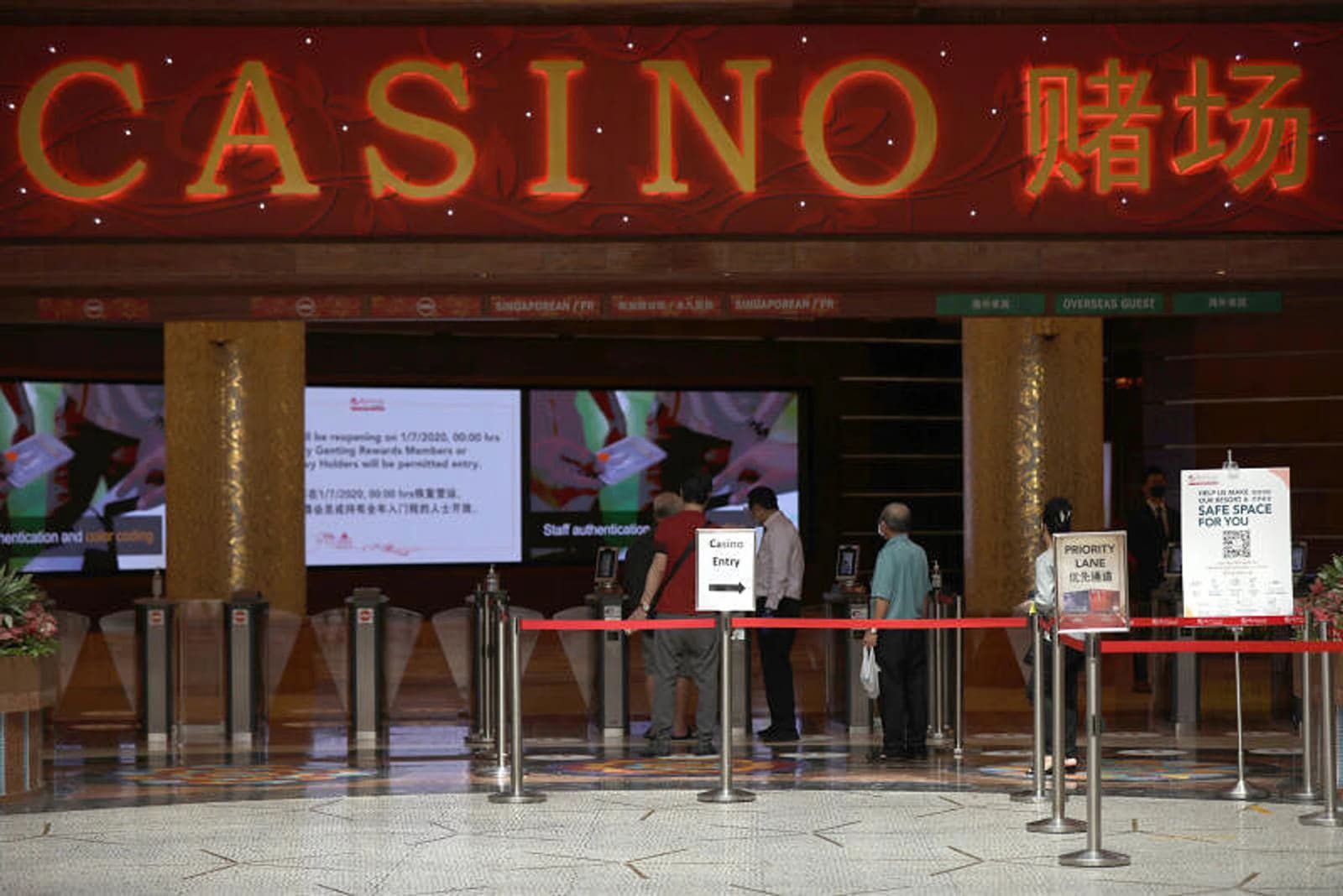
Genting Singapore Stock Climbs 6.4% as Investors Look Past First-Half Earnings Decline
Priyanka V. Rao · 3 min

Genting Singapore Profit Drops 33% as Casino Revenue Declines
Priyanka V. Rao · 2 min
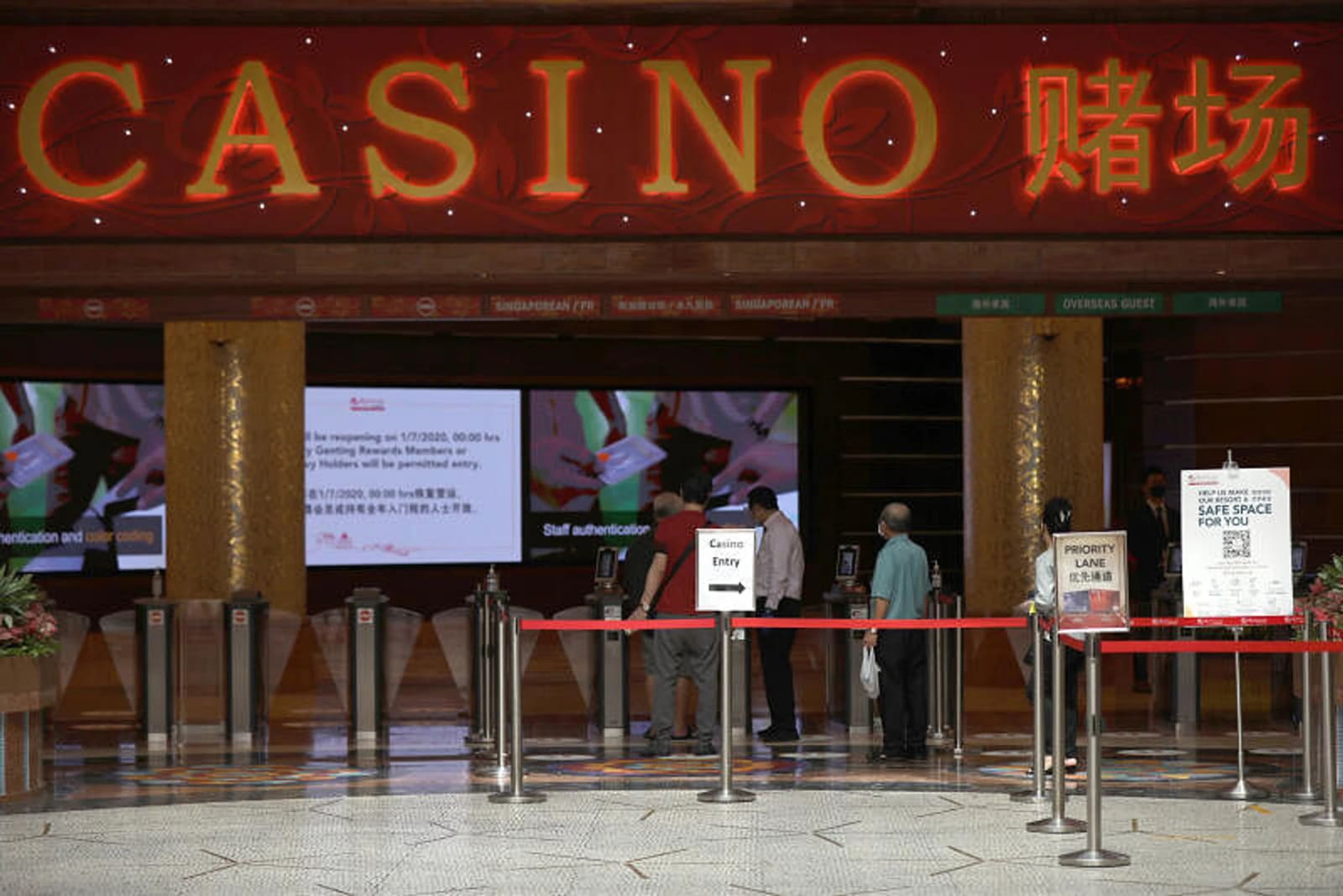
Genting Singapore Stock Climbs Despite 33.5% Profit Decline
Priyanka V. Rao · 3 min
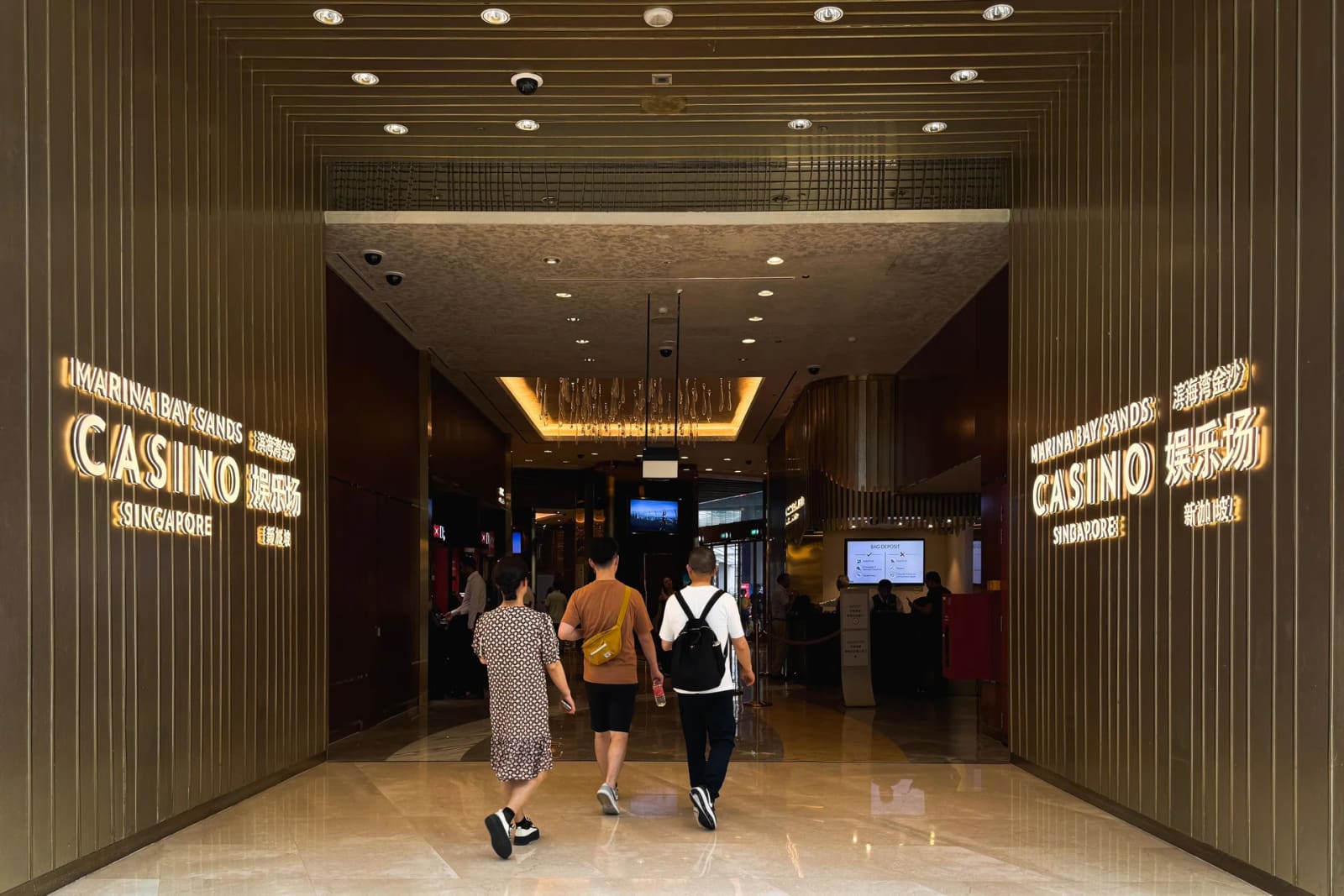
Marina Bay Sands Earnings Slide 10% as World Cup Saps Singapore Tourism
Lim Hui Ying · 3 min
Spot something wrong? Email editor@briefasia.com. We log every correction publicly.