Travel & Dining · Trends
Marina Bay Sands Earnings Slide 10% as World Cup Saps Singapore Tourism
The integrated resort posted US$689 million in adjusted earnings for Q2 2026, down from US$768 million a year earlier, as mass gaming revenue climbed but high-value patrons followed teams abroad.
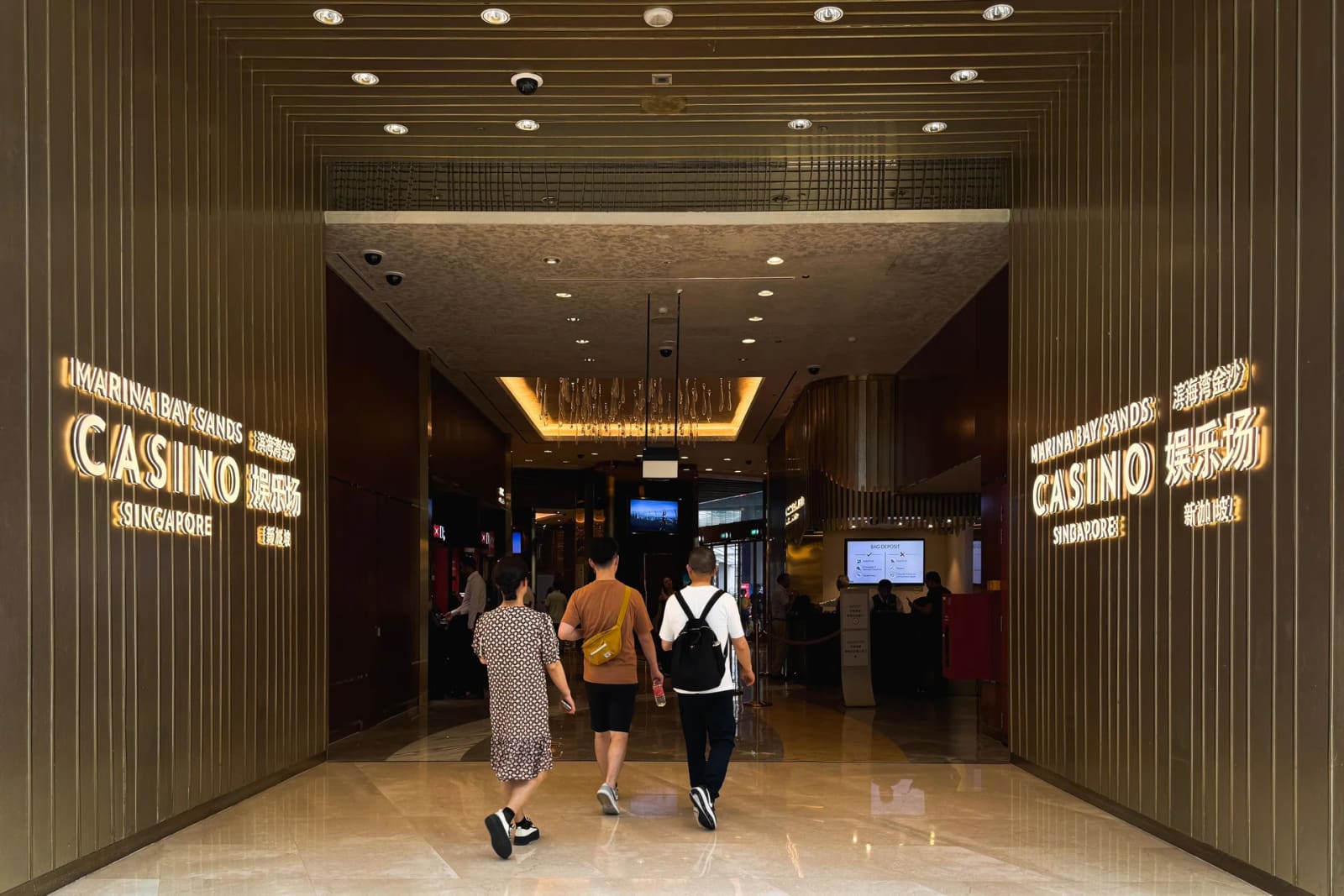
KEY TAKEAWAYS
- ·Marina Bay Sands recorded adjusted earnings of US$689 million in Q2 2026, down 10.3 percent from US$768 million a year earlier, as the World Cup diverted high-value patrons from Singapore.
- ·Casino revenue fell 4.1 percent to US$1 billion, but mass gaming revenue climbed 5 percent year on year, signaling resilience in the property's customer base.
- ·Non-gaming segments posted gains, with room revenue up 12.7 percent and food and beverage revenue up 16.7 percent, while hotel occupancy reached 95.6 percent.
Softer Quarter Amid Global Sporting Event
Marina Bay Sands delivered adjusted property earnings of US$689 million for the three months ended June 30, marking a 10.3 percent decline from US$768 million in the same quarter of 2025. The Singapore integrated resort saw net revenue slip 0.6 percent to US$1.38 billion, down from US$1.39 billion a year earlier.
Patrick Dumont, chairman and CEO of parent company Las Vegas Sands, pointed to the World Cup as a key factor. Many high-value patrons who typically visit Singapore instead traveled to follow participating teams and players during the tournament, which ran through June and July. The event pulled tourism away from both Singapore and Macau, the company's two core markets in Asia.
Despite the headline decline, Dumont described the quarter as "incredibly powerful" across several business segments. The property's adjusted EBITDA margin stood at 49.9 percent, down 5.4 percentage points from 55.3 percent in the prior-year quarter. Had the casino held at expected levels in its rolling program, adjusted EBITDA would have been US$37 million lower, according to Las Vegas Sands.
Casino Revenue Dips, Mass Gaming Holds Firm
Casino takings contributed US$1 billion to total revenue, down 4.1 percent from US$1.1 billion in Q2 2025. The segment remained the single largest revenue driver for Marina Bay Sands, even as VIP play softened amid the broader tourism headwinds.
Mass gaming revenue, however, climbed 5 percent year on year, a performance Dumont highlighted as evidence of underlying business resilience. The hold rate, which measures the ratio of casino winnings to cash buy-in, served as an important profitability indicator during the quarter.
Las Vegas Sands attributed the mixed casino performance to product investments, suite renovations, service upgrades, and a deliberate focus on premium customer strategy. These initiatives, the company said, have lifted the structural earnings power of Marina Bay Sands following significant capital deployment in recent years.
Non-Gaming Segments Post Gains
Beyond the gaming floor, Marina Bay Sands saw growth across its non-gaming operations. Room revenue rose 12.7 percent to US$151 million, while food and beverage revenue climbed 16.7 percent to US$98 million. The mall contributed US$67 million, up 8.1 percent, and convention, retail, and other revenue held steady at US$40 million.
Hotel occupancy improved slightly to 95.6 percent from 95 percent in the year-ago quarter. The average daily room rate increased 10.6 percent to US$982, and revenue per available room advanced 11.3 percent to US$939. The combination of higher rates and near-full occupancy underscored continued demand for the property's hospitality offerings.
The expansion project at Marina Bay Sands remains on schedule, with an anticipated opening in early 2031. The project is expected to add hotel inventory, meeting space, and entertainment capacity to the integrated resort, further positioning Singapore as a regional hub for premium leisure and business travel.
Parent Company Faces Broader Pressure
Las Vegas Sands reported group-wide adjusted property EBITDA of US$1.1 billion, down 16.1 percent from US$1.3 billion in Q2 2025. Net income attributable to the company fell 24.9 percent to US$346 million, compared with US$461 million a year earlier. Consolidated net revenue edged down 0.7 percent to US$3.15 billion from US$3.18 billion.
The company missed both profit and revenue estimates for the quarter, pressured by unusually low VIP hold rates in Macau and the same World Cup-related visitation challenges that affected Marina Bay Sands. Macau, the world's largest casino market, saw high-value customers redirect spending during the tournament period.
Despite the near-term volatility, Las Vegas Sands emphasized the long-term benefits of its strategic investments across both markets. The company continues to bet on premium customer segments, enhanced service delivery, and expanded physical capacity to drive future earnings growth.
What Comes Next
Singapore's tourism sector has shown resilience in recent quarters, supported by strong regional travel demand and the return of business events. However, competition for high-value customers remains intense, with new integrated resorts in Japan, Thailand, and other markets set to come online in the coming years.
Marina Bay Sands will need to defend its position as a premier destination for both leisure and MICE visitors. The property's ability to grow mass gaming revenue even as VIP play softened suggests that its customer base is broadening, a trend that could provide more stable earnings over time.
For now, the integrated resort remains a core earnings engine for Las Vegas Sands in Asia. With the expansion on track and non-gaming segments posting solid gains, the property is positioned to capture upside as regional travel patterns normalize and high-value patrons return to Singapore.
RELATED STORIES
Singapore Brokerages Raise STI Targets on Earnings Strength
Jun-ho Seo · 3 min

Addvalue Technologies Lands $5 Million in Space and Radio Contracts
Tran Quoc Bao · 3 min
Singapore Economists Lift 2026 Growth Outlook to 5% as Chip Exports Surge
Priyanka V. Rao · 3 min
Singapore Tightens Stablecoin Rules to Separate Regulated Tokens From Crypto Claims
Priyanka V. Rao · 2 min
Spot something wrong? Email editor@briefasia.com. We log every correction publicly.