Finance · Crypto
Singapore Tightens Stablecoin Rules to Separate Regulated Tokens From Crypto Claims
MAS proposes legislative framework requiring licensed issuers to prove value stability, capital reserves, and redemption guarantees while seeking public comment through mid-October
KEY TAKEAWAYS
- ·Singapore's Monetary Authority opened consultation on rules restricting the MAS-regulated stablecoin label to licensed issuers that meet value stability, capital, and redemption requirements.
- ·Unlicensed tokens claiming stability will be classified as digital payment tokens without the right to market themselves as MAS-regulated, creating a clear regulatory divide.
- ·The consultation runs through October 16 and covers cross-border issuance, foreign stablecoin recognition, and additional safeguards to protect financial stability.
Regulatory Line in the Sand
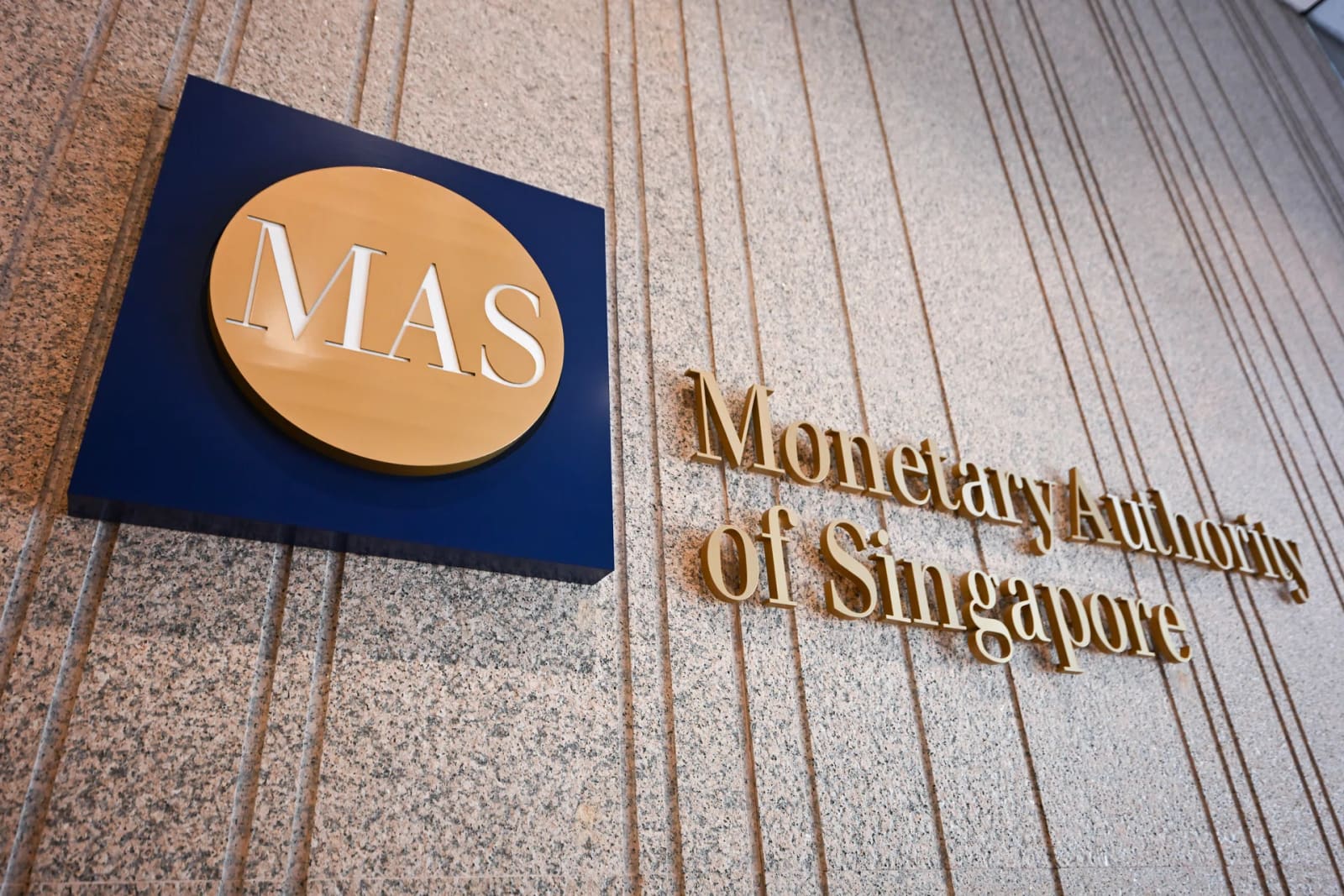
Singapore's Monetary Authority has put forward a set of legislative changes designed to draw a sharp line between stablecoins that meet its standards and the broader universe of digital assets that merely claim price stability. The proposals, detailed in a consultation paper released September 1, would restrict the "MAS-regulated stablecoin" label to issuers that obtain a license and satisfy specific safeguards around value retention, capital adequacy, and user redemption rights.
The move addresses a longstanding problem in digital asset markets: tokens marketed as stable stores of value that lack the reserves, transparency, or regulatory oversight to justify the claim. Under the proposed Single-Currency Stablecoin framework, unlicensed tokens will be classified as digital payment tokens and subject to consumer protection rules that apply to that broader category, but without the right to describe themselves as MAS-regulated.
What the Framework Demands
Issuers seeking MAS approval will need to demonstrate that their stablecoins maintain their pegged value through sufficient backing, hold adequate capital buffers, and permit holders to redeem tokens at their original value. The authority also wants disclosure requirements that give users visibility into reserve composition and redemption mechanics.
These obligations go beyond the anti-money-laundering and customer-due-diligence standards that already apply to digital payment token service providers in Singapore. The consultation paper makes clear that stablecoins, given their promise of price stability and potential use in payments, warrant a distinct regulatory tier.
Cross-Border and Stability Questions
The consultation extends into territory that reflects the global nature of stablecoin issuance and use. MAS is soliciting views on how to handle multi-jurisdictional issuance, under what conditions it might recognize stablecoins issued in other markets, and what additional measures may be necessary to guard against systemic financial risk.
Singapore has emerged as a testing ground for tokenized finance, with recent initiatives enabling settlement using tokenized bank liabilities and regulated stablecoins. The city-state's approach contrasts with jurisdictions that have either banned stablecoins outright or left them in regulatory limbo. By creating a licensing pathway, MAS is betting that clear rules can channel innovation into structures that protect users and preserve monetary stability.
Feedback Window and Implementation
The consultation runs through October 16, giving industry participants, legal advisers, and technology providers six weeks to weigh in on the draft provisions and policy positions. The timeline suggests that final rules could be in place by early 2027, assuming the feedback does not prompt major revisions.
For issuers already operating in Singapore or planning to enter the market, the framework sets a compliance clock ticking. Those that want to carry the MAS-regulated label will need to prepare applications, build reserve management systems, and establish redemption infrastructure that meets the authority's standards. Those that choose not to pursue a license will lose the ability to market their tokens as regulated stablecoins, a branding disadvantage in a market where trust is currency.
The proposals arrive as stablecoin adoption accelerates across Asia, driven by remittance flows, cross-border trade settlement, and demand for dollar-denominated digital cash in markets with capital controls or volatile local currencies. Singapore's framework will likely influence regulatory thinking in neighboring jurisdictions, particularly among ASEAN members looking to balance innovation with financial stability.
RELATED STORIES

Shein Targets $27 Billion Valuation in Hong Kong Listing
Cheng Wei-Lun · 3 min
Singapore Turns to Talent Anchoring to Win Asia's Hedge Fund Race
Priyanka V. Rao · 4 min
Singapore's Azalea Secures $1 Billion Across New Private Equity Vehicles
Priyanka V. Rao · 4 min
Shein Drops 4% in Hong Kong Debut as Tariff Pressure Weighs on Valuation
Priyanka V. Rao · 4 min
Spot something wrong? Email editor@briefasia.com. We log every correction publicly.