Finance · Markets
Genting Singapore Stock Climbs 6.4% as Investors Look Past First-Half Earnings Decline
The casino operator's shares rose despite a 33.5% profit drop, with non-gaming revenue growth offsetting weakness in core operations
KEY TAKEAWAYS
- ·Genting Singapore shares rose 6.4% to S$0.665 despite first-half profit falling 33.5% to S$156.1 million, driven by higher depreciation and asset refresh costs.
- ·Non-gaming revenue grew 6% year on year to S$388.6 million, offsetting a modest 0.9% decline in total revenue to S$1.2 billion.
- ·Investors appear to view the profit decline as temporary, tied to finite capital projects rather than structural weakness in the business.
Market Rewards Forward Outlook
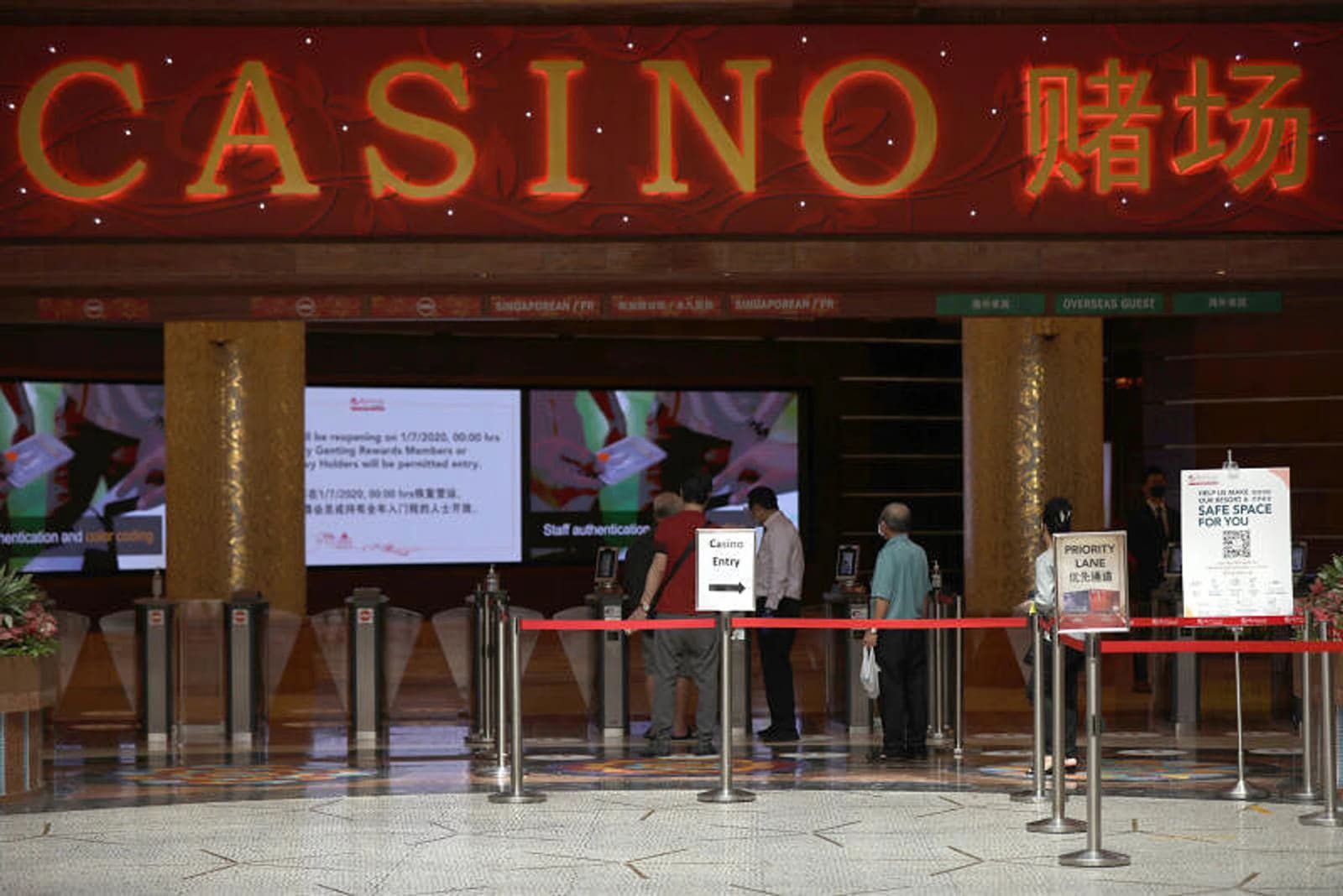
Genting Singapore's equity delivered a strong session on Friday, closing 6.4 per cent higher at S$0.665, in a clear sign that investors are willing to look beyond near-term earnings pressure. The move came one day after the resort and casino operator disclosed that first-half profit had tumbled 33.5 per cent year on year to S$156.1 million, down from S$234.7 million in the same period of 2025.
The company attributed the decline to a combination of elevated depreciation charges, reduced interest income, and ongoing asset refresh initiatives across its Resorts World Sentosa property. These factors, while material in the current period, appear to be viewed by the market as transitional rather than structural.
Revenue Holds Steady Amid Operational Shifts
Despite the sharp profit contraction, Genting Singapore managed to keep revenue erosion minimal. Total revenue for the first half reached S$1.2 billion, slipping just 0.9 per cent from the prior-year period. The relative stability reflects a deliberate pivot toward revenue diversification, with non-gaming operations emerging as a key growth driver.
Non-gaming revenue climbed approximately 6 per cent year on year to S$388.6 million, according to the company. This segment encompasses hotel accommodation, food and beverage, retail, and entertainment offerings at the integrated resort. The expansion underscores management's strategy to reduce reliance on gaming volatility and capture a broader slice of visitor spending.
Depreciation and Capex Cycle Weigh on Margins
The profit squeeze was primarily mechanical. Higher depreciation expenses stemmed from recent capital investments, including the multi-year refresh of attractions and facilities designed to maintain competitiveness in Singapore's duopoly casino market. Asset refresh work, while reducing short-term profitability, is intended to extend the lifecycle of key revenue-generating infrastructure and enhance guest experience.
Lower interest income also played a role, reflecting the global rate environment and the deployment of cash into capital projects rather than interest-bearing instruments. For a company that historically maintained a strong balance sheet with substantial liquid assets, the income line can swing meaningfully based on allocation decisions.
Investor Calculus: Temporary Pain, Structural Gain
The market's positive reception suggests that institutional and retail buyers are pricing in a normalization of earnings once the current capex cycle concludes. Asset refresh initiatives are finite, and the resulting depreciation step-up will eventually stabilize. Meanwhile, the demonstrated ability to grow non-gaming revenue provides a cushion against gaming-related cyclicality and regulatory risk.
Singapore's integrated resort model, which mandates a significant non-gaming component, has proven resilient through multiple economic cycles. Genting Singapore's ability to extract growth from this segment, even as gaming faces headwinds, reinforces confidence in the operator's long-term value proposition.
Regional Context and Competitive Positioning
The performance comes as Southeast Asia's casino and resort sector continues to recalibrate post-pandemic. While Macau has seen uneven recovery in its VIP segment, Singapore's mass-market focus and diversified revenue base have offered more predictable cash flows. Genting Singapore competes directly with Marina Bay Sands, operated by Las Vegas Sands, in a tightly regulated environment that limits new entrants and preserves pricing power.
Both operators have committed to substantial reinvestment in their properties, a requirement under their operating licenses and a strategic imperative to maintain appeal to high-spending tourists from China, Indonesia, and India. The capex intensity of the current phase is well understood by the market, and Friday's share price movement indicates that investors are comfortable with the trade-off.
The stock's advance also reflects broader optimism about regional travel recovery and discretionary spending patterns across Asia. As border restrictions fully unwind and business travel normalizes, integrated resorts in Singapore stand to benefit from their position as regional hubs for both leisure and MICE (meetings, incentives, conferences, exhibitions) activity.
Genting Singapore's ability to navigate the current earnings trough while delivering revenue resilience has, for now, earned it the benefit of the doubt from the market.
RELATED STORIES
Genting Singapore Stock Climbs Despite 33.5% Profit Decline
Priyanka V. Rao · 3 min

Genting Singapore Profit Drops 33% as Casino Revenue Declines
Priyanka V. Rao · 2 min
Index Reshuffle Hits Southeast Asia as MSCI Removes Four Regional Stocks
Priyanka V. Rao · 3 min
ThaiBev Revenue Slips on Beer Weakness While Genting Singapore Profit Drops 33%
Priyanka V. Rao · 3 min
Spot something wrong? Email editor@briefasia.com. We log every correction publicly.