Finance · Markets
ThaiBev Revenue Slips on Beer Weakness While Genting Singapore Profit Drops 33%
Thailand's largest beverage group saw nine-month sales fall 1.8% to $7.7 billion as beer segment declines offset spirits strength, while Singapore's casino operator faced margin pressure from asset refresh costs.
KEY TAKEAWAYS
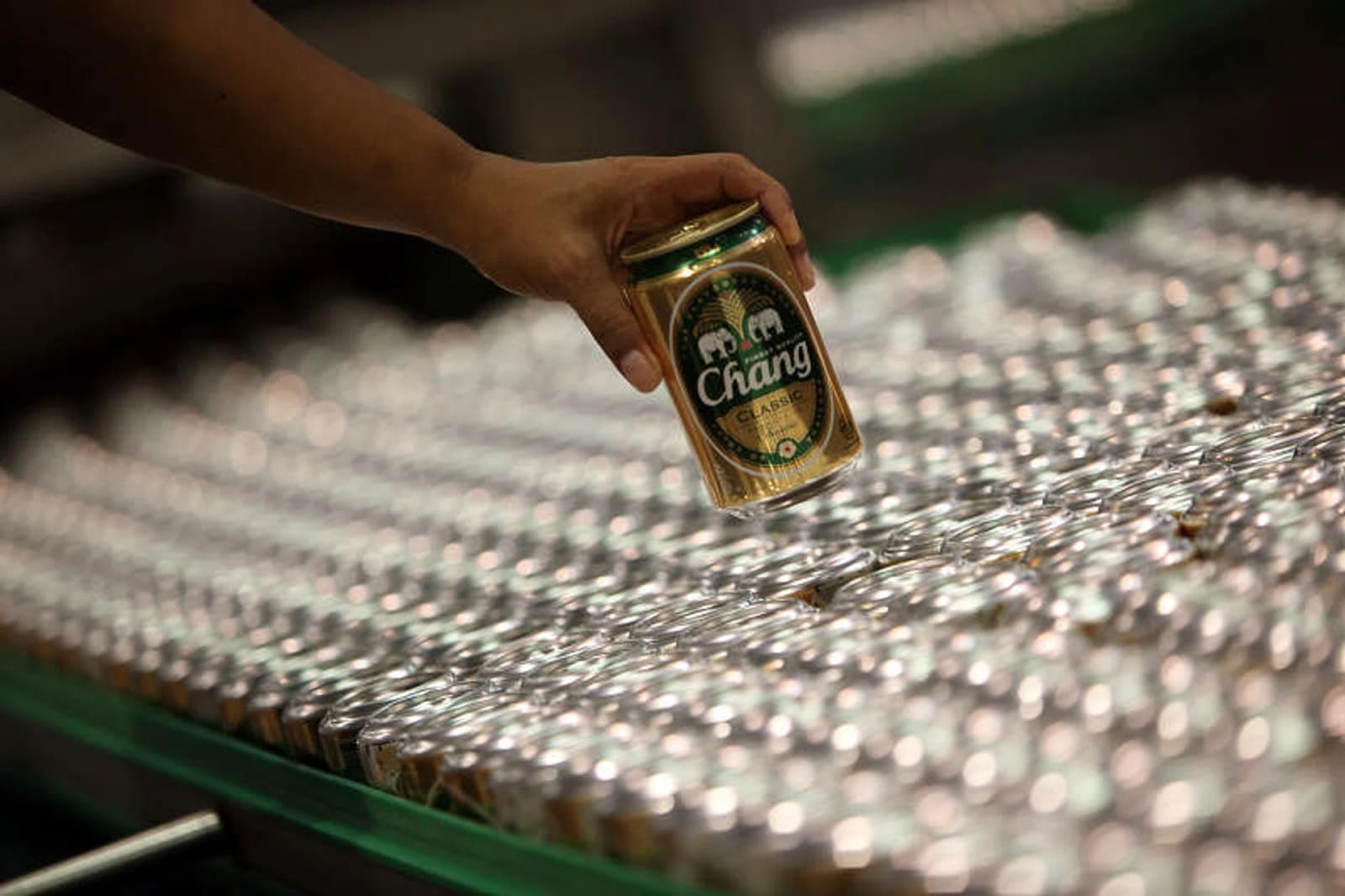
- ·ThaiBev revenue fell 1.8% to 254 billion baht for nine months through June, with beer sales down 5.3% to 91.3 billion baht on currency headwinds and softer Thai demand.
- ·Genting Singapore first-half profit dropped 33.5% to S$156.1 million, pressured by higher depreciation, lower interest income, and costs from asset refresh works at Resorts World Sentosa.
- ·Both results reflect uneven consumer spending across Southeast Asia, with Thailand facing household debt constraints and Singapore's gaming sector absorbing capital investment to maintain competitiveness.
Thai Beverage Under Pressure
Thai Beverage posted 254 billion baht ($7.7 billion) in revenue for the nine months ended June 30, a 1.8% decline from the same period a year earlier, according to results released Thursday. The drop was concentrated in the company's beer division, which saw sales fall 5.3% to 91.3 billion baht.
ThaiBev attributed the beer segment's weakness to unfavorable foreign exchange translation effects and softening demand in the Thai domestic market. The combination of a stronger baht against regional currencies and slower consumer spending in Thailand's post-pandemic recovery has weighed on the beverage giant's largest product category.
The results underscore the challenges facing Southeast Asia's beverage sector as discretionary spending remains uneven across the region. Thailand's consumer confidence has been volatile through 2026, with household debt levels constraining spending on non-essential goods including alcoholic beverages.
ThaiBev shares closed flat at S$0.47 in Singapore trading Thursday, ahead of the earnings release. The stock has traded in a narrow range over the past quarter as investors weigh the company's regional expansion plans against near-term headwinds in its core markets.
Genting Singapore Faces Margin Squeeze
Genting Singapore reported a first-half profit of S$156.1 million for the six months ended June 30, down 33.5% from S$234.7 million in the prior-year period. The resort and casino operator said the decline was driven primarily by higher depreciation expenses, lower interest income, and costs related to asset refresh works across its Resorts World Sentosa property.
The asset refresh program, which includes upgrades to gaming facilities and hospitality offerings, has been a strategic priority for Genting Singapore as it positions itself for increased competition in the regional integrated resort market. The company has been investing in property enhancements to maintain its appeal to both mass-market visitors and premium gaming customers.
Higher depreciation charges reflect the capital-intensive nature of the refresh program, which includes renovations to hotel rooms, dining venues, and entertainment facilities. The lower interest income points to a shift in the company's treasury management strategy as interest rates have moved in the first half of 2026.
Despite the profit decline, Genting Singapore maintained its market position as one of Singapore's two licensed casino operators, alongside Marina Bay Sands. The company continues to benefit from Singapore's status as a regional travel hub, though visitor patterns have remained below pre-pandemic peaks.
Regional Context
The earnings from both companies highlight divergent pressures across Southeast Asian consumer and entertainment sectors. ThaiBev's beer weakness reflects broader consumer caution in Thailand, where economic growth has been modest and household balance sheets remain stressed. Currency volatility has added an additional layer of complexity for regional operators with multi-market exposure.
For Genting Singapore, the profit compression illustrates the capital demands of maintaining competitive integrated resort properties in an environment where regional gaming markets from Macau to Manila are also investing heavily in property upgrades. The company's willingness to absorb near-term margin pressure suggests confidence in longer-term visitor growth as regional travel continues to normalize.
Genting Singapore shares fell 2.3% to close at S$0.625 on Thursday, before the results were announced. The stock has underperformed the broader Singapore market year-to-date as investors have rotated toward technology and financial sectors with stronger near-term earnings visibility.
Both companies face the challenge of navigating consumer spending patterns that remain uneven across income segments and geographies. ThaiBev's spirits and non-alcoholic beverage divisions will be closely watched for signs of offsetting strength, while Genting Singapore's premium gaming segment performance will be key to assessing whether the asset refresh investments are yielding the intended returns.
RELATED STORIES
First Resources Reports Strong Growth as Austindo Acquisition Fuels Revenue Surge
Priyanka V. Rao · 2 min
Singtel Profit Falls 72% Despite Stronger Core Operations
Priyanka V. Rao · 2 min
DBS Reshuffles Senior Leadership Across Three Asian Markets
Priyanka V. Rao · 3 min

Centurion Corp Stock Slides 5.9% After First-Half Profit Falls 64%
Priyanka V. Rao · 2 min
Spot something wrong? Email editor@briefasia.com. We log every correction publicly.