Asia · Politics
China's Central Bank Unveils First Standalone Five-Year Plan in a Decade
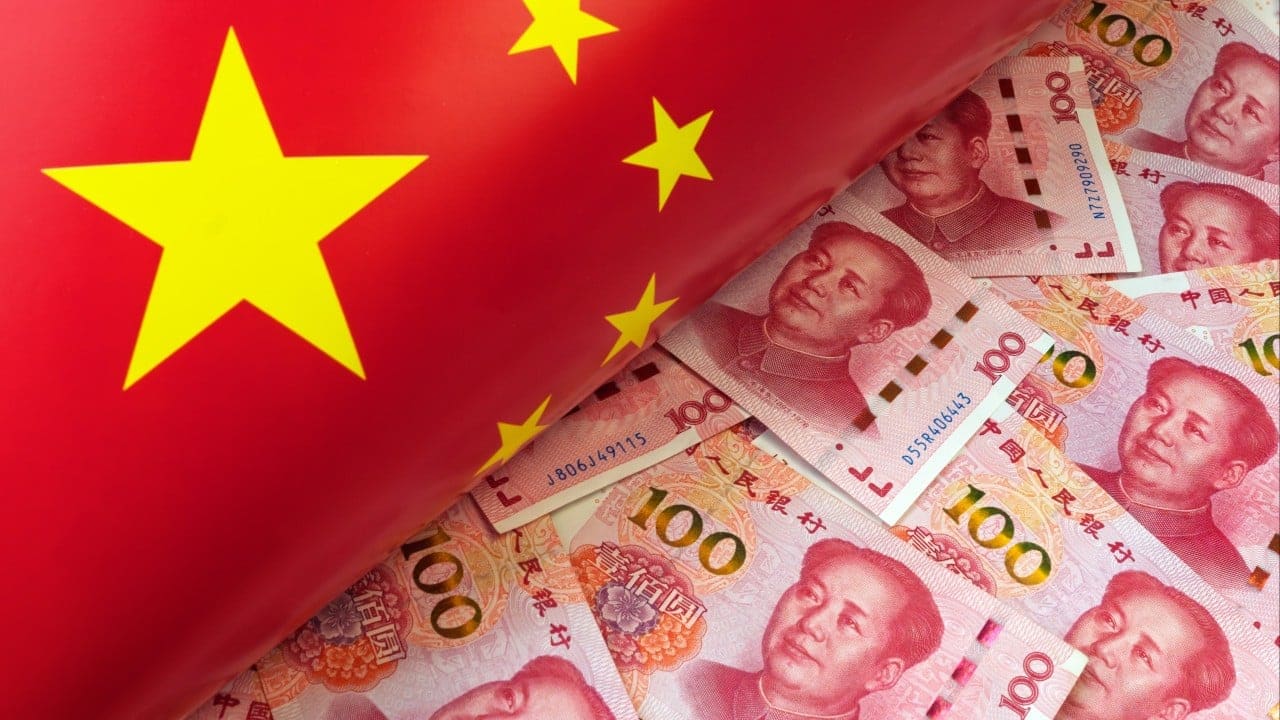
The People's Bank of China sets out policy priorities to transform the nation into a financial powerhouse, targeting monetary reform and real economy support
KEY TAKEAWAYS
- ·The People's Bank of China published its first independent five-year plan in over a decade, targeting financial powerhouse status through 2030.
- ·The plan prioritizes market-driven interest rate mechanisms, yuan exchange rate stability, and proactive risk management in key sectors.
- ·Financial support will be channeled toward the real economy, including advanced manufacturing, strategic industries, and small enterprises.
A Decade-Long Gap Closes
The People's Bank of China issued its first standalone five-year plan in more than ten years on Monday, signaling Beijing's intent to position the nation as a global financial heavyweight. The document, released independently rather than as part of broader government planning cycles, lays out the central bank's policy architecture through 2030.
The last time the PBOC published a dedicated five-year roadmap was in the mid-2010s. The decision to resume the practice reflects both the scale of challenges facing China's financial system and the institution's growing autonomy in shaping economic policy frameworks across Asia's largest economy.
Core Policy Pillars
The plan centers on two foundational objectives: refining the monetary policy toolkit and deepening financial support for productive sectors.
According to the PBOC, the bank will optimize its monetary policy framework by advancing market-driven mechanisms for both interest rates and currency exchange. The institution committed to maintaining the yuan's exchange rate at a fundamentally stable level while proactively managing financial risks concentrated in strategic sectors.
Interest rate liberalization has been a gradual process in China, with the central bank moving away from administrative controls toward benchmark rates that respond to market signals. The five-year plan suggests this transition will accelerate, giving financial institutions greater flexibility in pricing loans and deposits.
On currency management, the PBOC's pledge to keep the yuan "basically stable" reflects Beijing's balancing act between allowing market forces to influence the exchange rate and preventing sharp volatility that could destabilize capital flows. The yuan has faced periodic depreciation pressure as interest rate differentials with the United States widened over the past two years.
Real Economy Focus
The second pillar directs financial resources toward the real economy, a term Chinese policymakers use to describe sectors that produce tangible goods and services rather than speculative investment vehicles.
The plan targets strategic industries, advanced manufacturing clusters, and small enterprises that form the backbone of employment. This emphasis comes as Beijing seeks to reduce reliance on property-driven growth models that dominated the previous decade.
Financial support mechanisms will likely include differentiated reserve requirement ratios, targeted lending facilities, and regulatory incentives for banks to extend credit to priority sectors. The PBOC has already deployed similar tools in recent years, offering cheaper funding to banks that lend to technology firms, green energy projects, and rural businesses.
Risk Mitigation in Key Sectors
The document identifies proactive risk management in critical sectors as a priority, though it does not specify which industries face the greatest vulnerabilities.
China's financial system carries legacy risks from years of rapid credit expansion. Local government debt, property developer obligations, and non-performing loans at smaller banks remain pressure points. The PBOC's plan suggests the institution will use macroprudential tools to contain these risks before they metastasize into systemic threats.
The central bank has expanded its regulatory toolkit in recent years, gaining authority to coordinate with banking, securities, and insurance regulators on cross-sector risks. This coordination will likely intensify under the new plan.
Regional Implications
The PBOC's strategic direction carries weight beyond China's borders. As the institution that manages the world's largest foreign exchange reserves and oversees the second-most-used currency in trade finance, its policy choices ripple through Asian capital markets.
A more market-oriented interest rate regime could attract foreign portfolio investment, provided Beijing continues opening its bond and equity markets. Meanwhile, yuan stability remains critical for regional exporters whose competitiveness hinges on predictable exchange rate relationships with their largest trading partner.
The plan's emphasis on real economy financing also signals that China intends to sustain infrastructure and manufacturing investment across Belt and Road partner countries, many of which rely on Chinese development finance for transport, energy, and digital projects.
Implementation Timeline
While the PBOC plan covers the period through 2030, specific targets and quantitative benchmarks were not disclosed in Monday's release. The central bank typically issues detailed implementation guidelines and quarterly progress reports that translate broad objectives into operational metrics.
Market participants will watch for signals on the pace of interest rate reform, the bandwidth within which the yuan will be allowed to fluctuate, and the sectors designated for enhanced financial support. These details will shape credit conditions, currency volatility, and capital allocation across the region's most systemically important economy.
RELATED STORIES

Japan's Rare Earth Imports Plunge 80% as China Tightens Export Controls
Aiko Nakamura · 3 min
China's GDI Faces Litmus Test in Southeast Asia's Integration Push
Priyanka V. Rao · 4 min
Singapore Tightens Transshipment Rules Amid US Tariff Scrutiny
Lim Hui Ying · 4 min
China-ASEAN Trade Jumps to $643 Billion in First Half of 2026
Cheng Wei-Lun · 3 min
Spot something wrong? Email editor@briefasia.com. We log every correction publicly.