Finance · Markets
Asian Equities Rise as US Treasury Buyback Plan Faces Market Doubt
Seoul tech rally drives regional gains while long-term US yields rebound despite Washington's pledge to double sovereign bond purchases
KEY TAKEAWAYS
- ·Asian stocks gained Friday led by Seoul tech names after Samsung and SK hynix announced shareholder returns totaling over $100 billion, while Tokyo, Sydney, and Shanghai declined.
- ·US Treasury's pledge to double sovereign bond buybacks failed to durably cap long-term yields, which rebounded Thursday amid concerns over inflation, government borrowing, and $500 billion in planned corporate debt issuance by Big Tech.
- ·Markets await Fed Chair Kevin Warsh's Jackson Hole speech next week for clarity on monetary policy as the Strait of Hormuz closure keeps oil prices rising and inflation above two percent for over five years.
Regional Divergence on Display
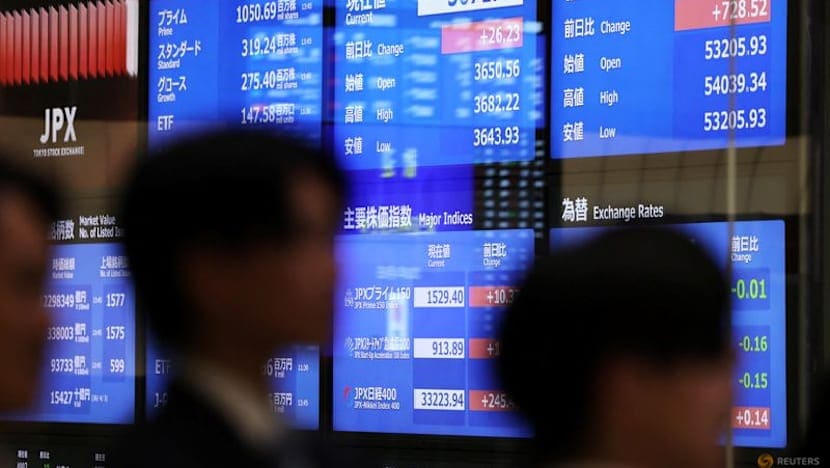
Asian equity markets posted gains Friday morning even as Wall Street extended losses, with Seoul leading regional advances after Samsung and SK hynix unveiled shareholder-return programs totaling more than $100 billion. Hong Kong, Singapore, Wellington, and Taipei also traded higher, while Tokyo, Sydney, and Shanghai slipped.
The moves came as investors weighed the US Treasury's announcement that it would at least double its sovereign bond buybacks, a measure aimed at capping long-term yields that surged to their highest levels since 2007 earlier this week. The 30-year Treasury yield briefly retreated Wednesday on the news but resumed climbing Thursday, raising questions about the effectiveness of the intervention.
SK hynix jumped more than 12 percent Thursday after unveiling a $29 billion share buyback, while Samsung's stock rallied on reports the company is preparing a shareholder return worth as much as $79 billion. Both firms manufacture advanced memory chips used in AI infrastructure, a sector that has attracted heavy capital investment over the past two years.
Yield Pressures Mount
Treasury Secretary Scott Bessent told CNBC Thursday that his department maintains a "big toolkit" to address rising yields, including the possibility of bond purchases beyond the scale announced a day earlier. He attributed the move in rates to thin August trading and recent corporate bond issuance rather than deteriorating fundamentals.
Bessent added that inflation, which has remained above the Federal Reserve's two percent target for more than five years, would ease once tensions surrounding Iran subside and oil prices retreat. The Strait of Hormuz remains closed, with crude gradually rising over the past two weeks as Washington and Tehran remain deadlocked.
Long-term rates remain elevated despite the buyback pledge. The three main US indexes fell Thursday as technology companies, which rely on debt financing for large-scale infrastructure projects, declined. Mark Malek of Muriel Siebert & Co. characterized the Treasury move as "a housekeeping measure destined to be short-term, at best."
Supply Dynamics Shift
Multiple factors are driving upward pressure on sovereign yields. Governments on both sides of the Atlantic face increased borrowing needs this year to fund spending commitments, creating abundant supply in debt markets. At the same time, major technology firms including Amazon, Alphabet, and Meta are seeking to raise up to $500 billion through corporate bond issuance to finance AI infrastructure buildouts.
This wave of corporate debt has created competition for capital, with some investors preferring exposure to large technology companies over sovereign borrowers. The overlap in timing has amplified pressure on government bond markets at a moment when fiscal needs are already elevated.
Michael Hewson at MCH Market Insights noted that buyers now face a wider array of choices, with both sovereign and corporate issuers competing for the same pool of capital. The preference for Big Tech debt over government paper reflects investor views on relative creditworthiness and growth prospects.
Policy Uncertainty Weighs
Fed Chair Kevin Warsh's reluctance to provide forward guidance on monetary policy has added to uncertainty on trading floors. Investors are awaiting his speech at next week's Jackson Hole gathering of central bankers, economists, and finance officials for clarity on the Fed's approach to rates amid persistent inflation and elevated long-term yields.
The Japanese yen strengthened against the dollar Friday after domestic inflation data showed prices rising last month, driven by higher oil costs linked to the Middle East crisis. The uptick gives the Bank of Japan additional room to raise interest rates at its next policy meeting in September.
Currency moves reflect diverging policy paths across major economies. While the Fed faces constraints from inflation and fiscal dynamics, the Bank of Japan has begun normalizing rates after years of ultra-loose policy. The yen's gains suggest markets are pricing in further tightening from Tokyo even as questions persist about Washington's next moves.
The Week Ahead
Attention now turns to Jackson Hole, where Warsh's remarks will be scrutinized for signals on how the Fed views the interplay between inflation, yields, and growth. His comments could determine whether recent volatility in long-term rates continues or stabilizes.
The Treasury's toolkit remains untested at scale. While Bessent has signaled readiness to expand bond purchases if needed, market participants will be watching whether such measures can durably cap yields or merely provide temporary relief. The answer will shape both sovereign borrowing costs and corporate investment decisions in the months ahead.
For Asian markets, the immediate picture remains mixed. Tech-driven rallies in Seoul and corporate action from major chipmakers provide near-term support, but broader regional sentiment hinges on stability in US rates and resolution of Middle East supply disruptions. Oil's gradual climb keeps pressure on inflation-sensitive sectors, while the yen's strength poses headwinds for Japanese exporters.
Seoul's outperformance underscores how capital allocation decisions by dominant firms can move entire markets. Samsung and SK hynix together represent a significant portion of the Kospi's market capitalization, and their buyback announcements delivered immediate gains. Whether that momentum sustains depends on demand trends for AI chips and memory, sectors facing their own cyclical and competitive pressures.
RELATED STORIES
Asian Stocks Rise Amid Doubts Over US Treasury Bond Buyback Plan
Priyanka V. Rao · 3 min
US Treasury Bond Plan Lifts Asian Tech Stocks After Yield Spike
Cheng Wei-Lun · 3 min

Hong Kong Gold Futures Hit Record Delivery as Sanctions Drive Demand
Cheng Wei-Lun · 4 min

Pop Mart Warns It Will Miss 2026 Sales Target as Labubu Boom Fades
Cheng Wei-Lun · 2 min
Spot something wrong? Email editor@briefasia.com. We log every correction publicly.