Finance · Markets
Hong Kong Gold Futures Hit Record Delivery as Sanctions Drive Demand
HKEX's dollar-denominated contract sees 145kg physical delivery in single day, signaling shift in precious metal trading flows
KEY TAKEAWAYS
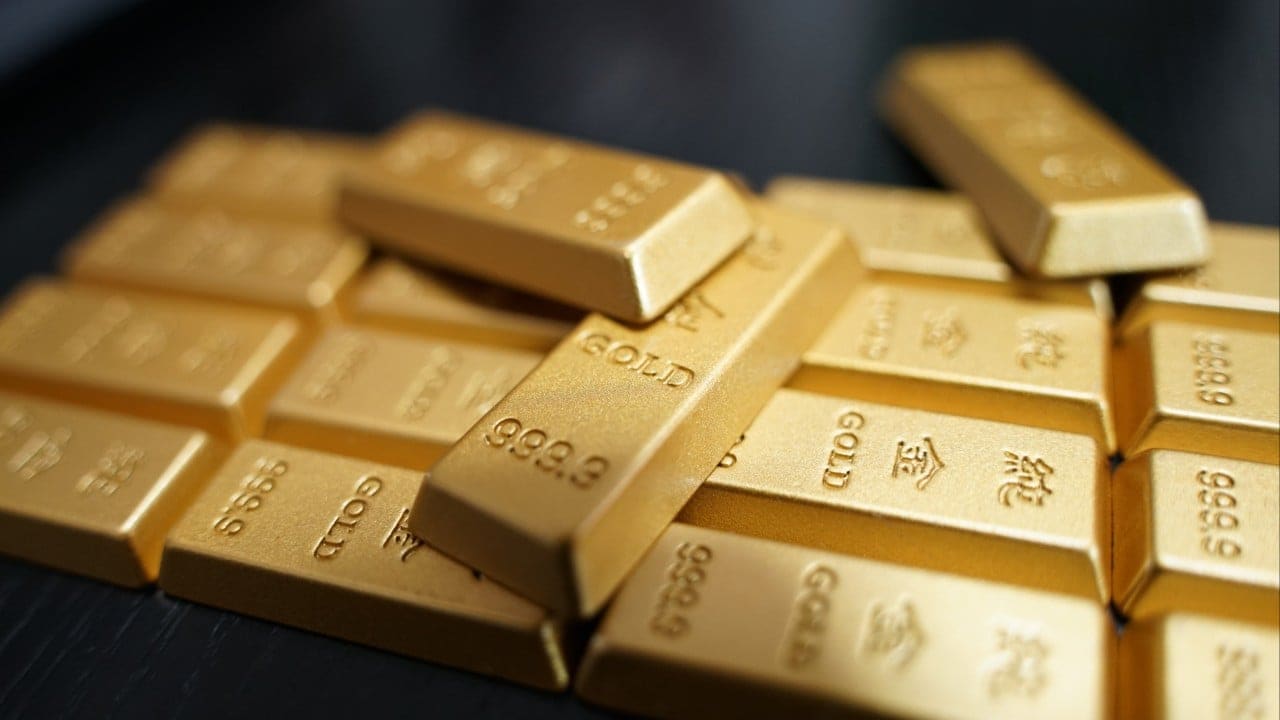
- ·HKEX delivered 145 kilograms of physical gold in a single day, the highest since launching its dollar-denominated futures contract in 2018.
- ·The surge reflects traders seeking alternatives to Western exchanges as US sanctions enforcement reshapes commodity settlement patterns across Asia.
- ·Hong Kong competes with Singapore and Shanghai for precious metal flows, leveraging its dollar peg and vault infrastructure outside direct US jurisdiction.
Record Physical Settlement Points to Structural Shift
Hong Kong Exchanges and Clearing posted its largest single-day physical gold delivery since launching the contract eight years ago, with 145 kilograms settled through its US dollar-denominated futures product, according to HKEX. The milestone comes as American sanctions reshape global commodity flows and push traders toward alternative settlement venues outside traditional Western exchanges.
The volume represents more than double the typical daily delivery rate for the contract, which has averaged roughly 60 kilograms per session over the past twelve months. Physical settlement, as opposed to cash-based futures that expire without metal changing hands, signals genuine demand from buyers who intend to hold or move the underlying asset.
Hong Kong's exchange has positioned the product as a bridge between Eastern physical demand and Western financial infrastructure. The contract trades in US dollars but settles in vaulted gold stored within the city, offering participants exposure to international pricing while keeping metal within Asian custody chains.
Sanctions Architecture Drives Repositioning
The delivery spike follows a pattern seen across commodity markets where participants seek jurisdictions less exposed to unilateral sanctions enforcement. Financial institutions and trading houses operating under US restrictions have limited ability to clear transactions through New York or London, pushing activity toward venues in Singapore, Dubai, and Hong Kong.
Gold occupies a unique position in this reconfiguration. Unlike oil or industrial metals that require complex logistics, bullion moves easily across borders and holds value without counterparty risk. Central banks in Asia have accelerated purchases over the past eighteen months, with reserve managers favoring physical holdings over paper claims settled through Western clearinghouses.
HKEX's infrastructure allows delivery into Hong Kong vaults that meet London Bullion Market Association standards, maintaining quality benchmarks while operating outside direct US jurisdiction. The exchange has expanded vault capacity by 40 percent since 2023, adding facilities in Kwai Chung and near the airport to accommodate rising inventory.
Competing for Asian Flow
The record comes as Hong Kong faces intensifying competition from Singapore and Shanghai for precious metal market share. Singapore Exchange has seen its own gold futures open interest climb 28 percent year-on-year, while Shanghai Gold Exchange remains the world's largest physical trading venue by tonnage, though its renminbi pricing limits appeal for dollar-based portfolios.
Hong Kong's advantage lies in its currency peg to the US dollar, established legal frameworks familiar to international traders, and geographic proximity to mainland China without being subject to capital controls that govern Shanghai operations. The city's status as a free port also simplifies cross-border movement, a feature that matters when counterparties want optionality to relocate metal quickly.
Trading volumes in HKEX's gold contract have risen 34 percent in the first seven months of this year compared to the same period in 2025. Open interest, the number of outstanding contracts, now stands at approximately 12,000 lots, each representing 100 troy ounces. While still a fraction of Comex's scale, the trajectory suggests growing acceptance among portfolio managers and commodity trading advisors.
What Liquidity Means for Pricing Power
Sustained physical delivery distinguishes a contract from a purely speculative instrument. Markets that consistently see metal change hands tend to attract hedgers, miners, and fabricators who need reliable venues to lock in prices or source supply. That participation, in turn, deepens liquidity and tightens bid-offer spreads.
HKEX has worked to onboard local jewelry manufacturers and electronics companies that consume gold in production. Several Hong Kong-based refineries now use the futures contract to hedge inventory risk, a shift from prior reliance on over-the-counter forwards arranged through bullion banks. Exchange-traded products offer transparency and lower credit risk, appealing attributes as banking relationships grow more complex under compliance pressures.
The exchange has also integrated its gold contract with the Stock Connect link that ties Hong Kong to mainland bourses. That plumbing could eventually allow mainland institutional investors to access international gold pricing through Hong Kong, though regulatory approvals remain pending. Any such linkage would dramatically expand the potential participant base.
A Broader Realignment
Hong Kong's gold activity fits within a wider realignment of commodity trading away from historical concentration in London and New York. The shift accelerated after 2022, when sanctions related to the Ukraine conflict froze Russian assets held in Western clearinghouses and prompted commodity exporters worldwide to reassess custodial risk.
Asian financial centers have moved to capture flow that no longer fits comfortably in the Atlantic basin. Beyond gold, Hong Kong has seen increased activity in metals warehousing, freight derivatives, and renminbi commodity invoicing. The city's role as offshore renminbi hub complements these efforts, offering a dollar alternative for participants wary of currency concentration risk.
Whether this momentum proves durable depends partly on how sanctions policy evolves and partly on whether Hong Kong can maintain its regulatory neutrality amid US-China tensions. For now, the record delivery figure suggests traders view the venue as a credible alternative, and that perception is what ultimately determines where liquidity flows.
RELATED STORIES
Physical Gold Deliveries Surge at Hong Kong Exchange
Cheng Wei-Lun · 3 min
HKEX Doubles IPO Filing Validity Period Under Three-Year Temporary Relief
Cheng Wei-Lun · 4 min
Hong Kong Leveraged Fund Holds Maximum Exposure Despite Retail Losses
Cheng Wei-Lun · 4 min

Hong Kong Exchange Renews Bonnie Chan as CEO Through 2030
Cheng Wei-Lun · 2 min
Spot something wrong? Email editor@briefasia.com. We log every correction publicly.