Finance · Deals
HKEX Doubles IPO Filing Validity Period Under Three-Year Temporary Relief
Hong Kong's exchange operator will let companies keep listing applications active for a full year, aiming to cut red tape as market conditions remain volatile
KEY TAKEAWAYS
- ·Hong Kong Exchanges and Clearing will extend the validity period for IPO applications from six months to twelve under a three-year temporary waiver starting immediately.
- ·The change aims to reduce the administrative burden of repeated filings for companies waiting out volatile market conditions and unfavourable pricing windows.
- ·The waiver reflects competitive pressure from rival Asian exchanges and addresses friction in the dual approval process for mainland Chinese issuers seeking Hong Kong listings.
A Pragmatic Adjustment to Market Reality
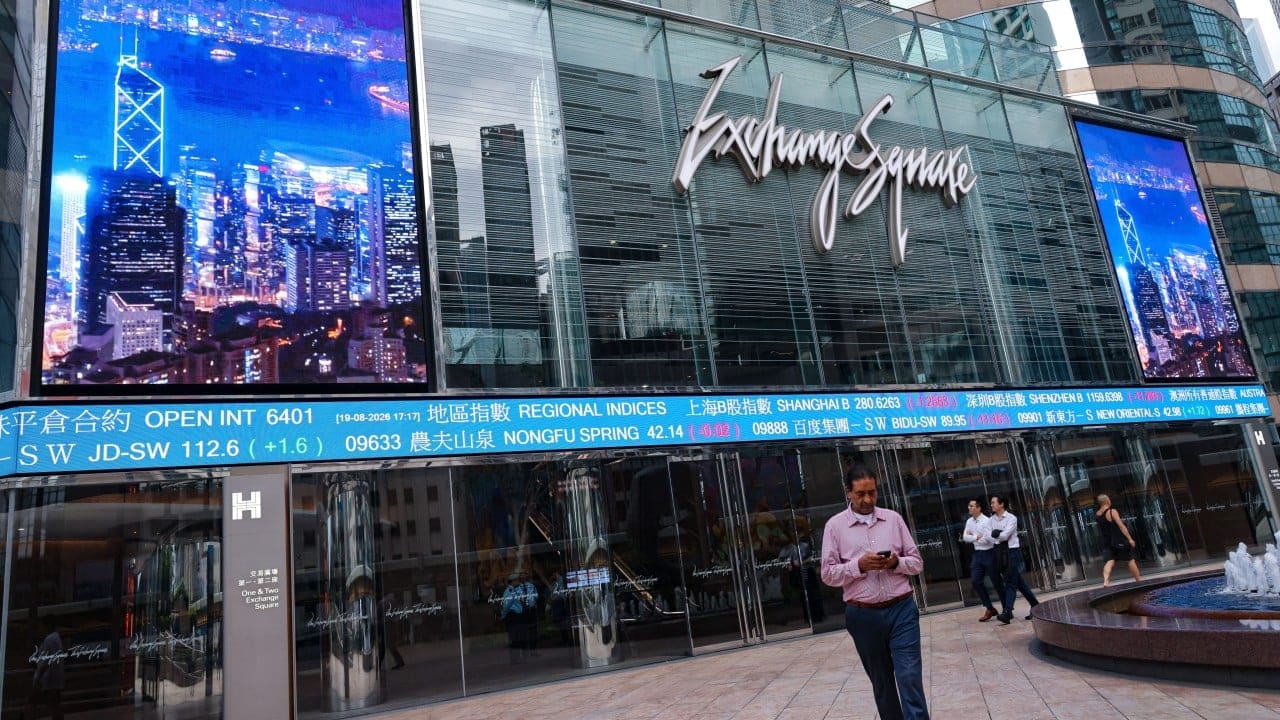
Hong Kong Exchanges and Clearing announced Friday that it will grant listing applicants twice as long to complete their public offerings under a three-year waiver programme. The current validity window of six months will stretch to twelve, according to HKEX, which operates the city's stock exchange.
The change addresses a recurring friction point in the listing process: candidates forced to withdraw and resubmit paperwork when market windows close before they can price and launch. By doubling the validity period, HKEX hopes to spare companies, sponsors, and legal advisers the administrative burden and cost of refiling identical or near-identical applications, often multiple times.
The waiver takes effect immediately and will remain in place for three years, giving the exchange time to assess whether the extended window should become permanent. HKEX framed the move as a response to feedback from market participants who have navigated choppy conditions over the past two years.
Why the Six-Month Clock Became a Problem
Under the existing rule, a company that files a listing application has six months to complete its IPO before the filing lapses. If market sentiment sours or volatility spikes during that window, issuers often choose to delay rather than force a deal at unfavourable valuations. When the clock runs out, they must submit fresh documents, update financials, and restart the regulatory review cycle.
That cycle has repeated with unusual frequency since 2022. Hong Kong's IPO market, once the world's busiest, has seen deal flow fall sharply as U.S. interest rate hikes drained liquidity and geopolitical friction weighed on Chinese stocks. Many companies filed, waited, and refiled as they hunted for better conditions that never arrived.
The new twelve-month window effectively cuts the number of resubmissions in half for deals that take a full year to execute. For sponsors and law firms, that translates to fewer disclosure updates, fewer due diligence refreshes, and lower transaction costs. For HKEX, it may also reduce the administrative load of processing duplicate filings.
Regional Context and Competitive Pressure
Hong Kong is not the only Asian exchange rethinking its listing mechanics. Singapore Exchange has experimented with fast-track approval pathways for certain issuers, while Tokyo's growth-board reforms aim to attract startups with lighter disclosure requirements. Seoul recently streamlined its pre-IPO review process to shorten time-to-market for technology companies.
HKEX's change is less about speed than flexibility. The exchange is betting that giving candidates more runway will keep deals in the pipeline rather than driving them to rival venues. Over the past eighteen months, several Chinese firms that initially targeted Hong Kong pivoted to Shanghai's STAR Market or Shenzhen's ChiNext board, citing faster execution and more predictable pricing.
The waiver also reflects Hong Kong's role as a bridge market. Many issuers are mainland Chinese companies seeking access to international capital, but their listing timelines are shaped by approval cycles in both Beijing and Hong Kong. A longer validity window accommodates that dual-track process without forcing companies to restart paperwork every time a mainland regulator requests additional information.
What It Means for Deal Flow
The practical effect will vary by sector. Large state-owned enterprises, which often face political or strategic considerations that delay launch dates, stand to benefit most. Technology companies with volatile valuations may also welcome the extra time to wait for sentiment to stabilize.
Conversely, the extended window does little to address the underlying factors that have kept Hong Kong's IPO market subdued: elevated U.S. dollar funding costs, weak retail investor sentiment, and concerns about regulatory unpredictability in China. A longer filing validity period makes the process less painful, but it does not create demand where none exists.
Market participants will also watch whether the waiver inadvertently clogs the pipeline. If dozens of applications remain valid for a full year, the queue of pending deals could swell, making it harder for investors to differentiate serious candidates from those simply keeping options open. HKEX will need to monitor whether the change encourages strategic optionality or merely defers difficult decisions.
Implementation and Next Steps
The waiver applies to all new and existing applications during the three-year trial period. Companies that filed under the six-month rule will automatically benefit from the extension, provided their applications remain otherwise compliant. HKEX has not specified whether it will adjust other procedural timelines, such as the period for responding to listing committee comments, but market observers expect further clarifications in coming weeks.
The exchange has also signalled that it will review the waiver's impact annually, with an eye toward making the twelve-month window permanent if data supports the change. Key metrics will include the number of refilings avoided, average time-to-listing, and feedback from sponsors and issuers.
For now, the move represents a tactical concession to market reality. Hong Kong's exchange has spent the past two years defending its position as Asia's premier listing venue, and incremental reforms like this one are part of that defence. Whether a longer filing window translates into more completed deals will depend on forces well beyond HKEX's control, but the exchange is at least removing one procedural obstacle that has frustrated participants on all sides.
RELATED STORIES
Hong Kong Exchange Renews Bonnie Chan as CEO Through 2030
Cheng Wei-Lun · 2 min

Hong Kong Gold Futures Hit Record Delivery as Sanctions Drive Demand
Cheng Wei-Lun · 4 min
Physical Gold Deliveries Surge at Hong Kong Exchange
Cheng Wei-Lun · 3 min
Hong Kong Pushes Carried Interest Tax Break as Singapore Exempts Fund Manager Profits
Priyanka V. Rao · 3 min
Spot something wrong? Email editor@briefasia.com. We log every correction publicly.