Finance · Markets
Hong Kong Exchange Renews Bonnie Chan as CEO Through 2030
Three-year extension positions first female CEO to lead bourse's competitiveness drive amid regional market rivalry
KEY TAKEAWAYS
- ·Hong Kong Exchanges and Clearing extended CEO Bonnie Chan's tenure by three years through February 2030, providing leadership continuity as the bourse faces regional competition.
- ·The renewal positions Chan to advance initiatives in derivatives expansion, mainland connectivity, and ASEAN issuer attraction amid pressure from Singapore and Chinese exchanges.
- ·HKEX's decision signals commitment to stable governance and incremental strategy over transformation as geopolitical shifts reshape Asian capital markets.
Leadership Continuity at Asia's Third-Largest Exchange
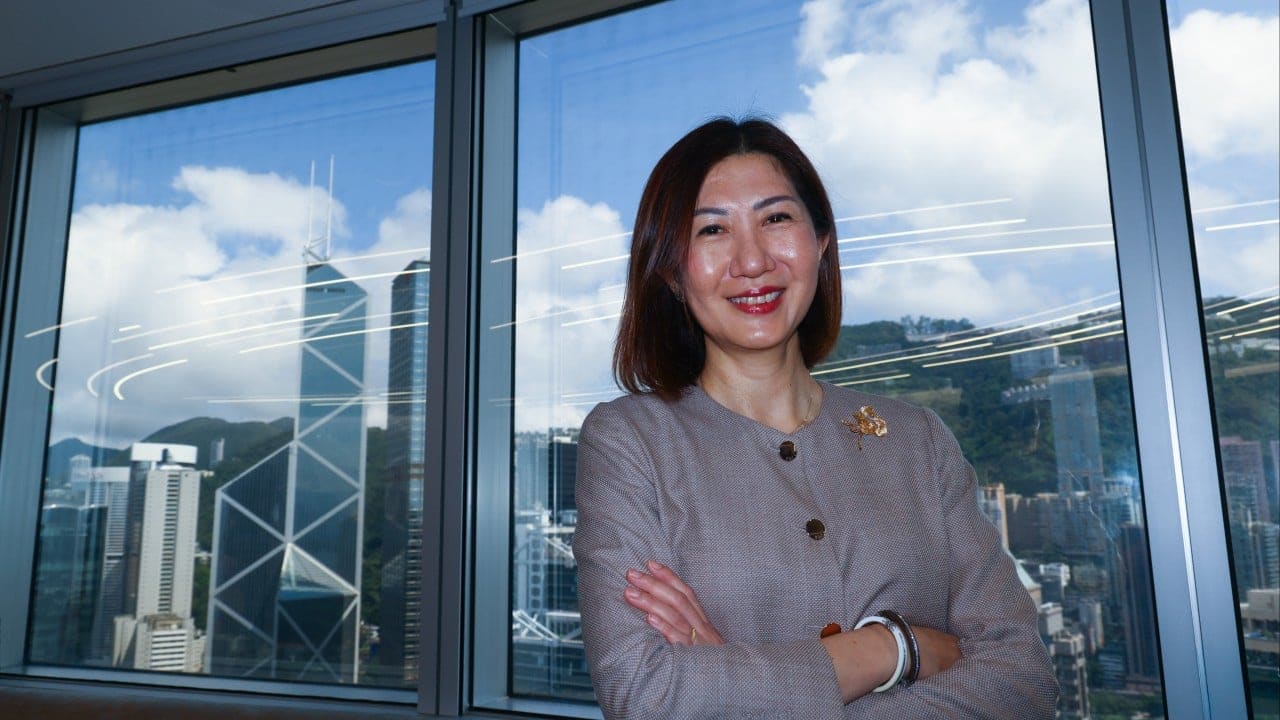
Hong Kong Exchanges and Clearing announced Monday evening that Bonnie Chan Yiting will remain chief executive for another three years, extending her tenure through February 28, 2030. The 57-year-old executive, who became the first woman to lead the exchange operator, will begin her renewed term on March 1, 2027.
The decision arrives as HKEX works to strengthen its position against rising competition from regional rivals. Singapore Exchange has captured growing volumes in Asia-Pacific derivatives trading, while mainland Chinese bourses have expanded their international connectivity programs. Hong Kong's exchange has responded with product diversification and infrastructure investments designed to retain its role as the primary offshore gateway for Chinese capital.
Strategic Positioning in a Shifting Landscape
HKEX chairman Carlson Tong described Chan's leadership as marked by vision and distinction, according to the exchange filing. The renewal reflects board confidence in her strategy to modernize trading systems, expand asset classes, and deepen ties with mainland markets through Stock Connect and other cross-border mechanisms.
Chan's initial appointment in 2021 came during a period of heightened geopolitical tension and regulatory scrutiny affecting Hong Kong-listed Chinese firms. Under her watch, HKEX has navigated volatility in new listings, particularly among technology companies, while pursuing initiatives to attract ASEAN issuers and expand fixed-income offerings.
The exchange has also invested in derivatives infrastructure, launching new index futures and options products tied to mainland sectors. These moves aim to capture trading activity that might otherwise migrate to competing venues in Shanghai, Shenzhen, or Singapore.
Regional Competition and Revenue Pressures
Hong Kong's bourse faces structural headwinds. Mainland investors now access A-shares directly through expanded quota systems, reducing reliance on Hong Kong as an intermediary. At the same time, geopolitical friction has prompted some Chinese firms to pursue dual primary listings in mainland China, diluting Hong Kong's exclusivity.
HKEX's revenue mix remains heavily weighted toward cash equities trading fees, which are sensitive to market sentiment and listing volumes. The exchange has sought to diversify by growing post-trade services, data subscriptions, and commodities trading through its London Metal Exchange subsidiary.
Chan's extended mandate suggests the board sees value in continuity as these longer-term initiatives mature. The three-year horizon aligns with typical infrastructure project timelines and gives management runway to demonstrate results from technology upgrades and new product launches.
What the Extension Signals
The renewal also underscores HKEX's commitment to stable governance amid broader uncertainty in Hong Kong's financial sector. Regulatory harmonization with mainland China continues to reshape market structure, and exchange leadership plays a central role in negotiating those changes with Beijing authorities and international participants.
For investors and issuers, the message is straightforward: HKEX intends to preserve strategic direction rather than pivot. Chan's tenure has emphasized incremental improvement over radical transformation, a posture that may appeal to institutional stakeholders wary of disruption.
The three-year term takes Chan to age 60, a tenure length that allows for succession planning while maintaining near-term leadership clarity. As Asian capital markets fragment along geopolitical lines, exchanges with consistent leadership and clear mandates hold an advantage in attracting long-term listings and trading relationships.
RELATED STORIES

Hong Kong Moves to Expand Treasury Centre Tax Breaks
Cheng Wei-Lun · 2 min
Jim Rogers Signals Yuan Preference Over Dollar as US Debt Concerns Mount
Cheng Wei-Lun · 3 min

Hong Kong Lists Shanghai Free-Trade Zone Bond as Yuan Hub Competition Intensifies
Cheng Wei-Lun · 3 min
SF Reit Reports Income Decline Amid Stable Hong Kong Logistics Occupancy
Cheng Wei-Lun · 3 min
Spot something wrong? Email editor@briefasia.com. We log every correction publicly.