Finance · Markets
Hong Kong Lists Shanghai Free-Trade Zone Bond as Yuan Hub Competition Intensifies
Shanghai Electric's 1.5 billion yuan green bond marks the first FTZ issuance on HKEX as the city reinforces its offshore renminbi dominance
KEY TAKEAWAYS
- ·Hong Kong Exchanges and Clearing listed its first Shanghai free-trade zone offshore bond, a 1.5 billion yuan green issuance from Shanghai Electric Global Capital.
- ·The listing is part of Hong Kong's effort to preserve its status as the leading offshore yuan hub amid competition from mainland financial centers.
- ·Market participants will monitor investor demand and secondary trading to assess whether more FTZ entities pursue HKEX listings.
A Strategic Debut
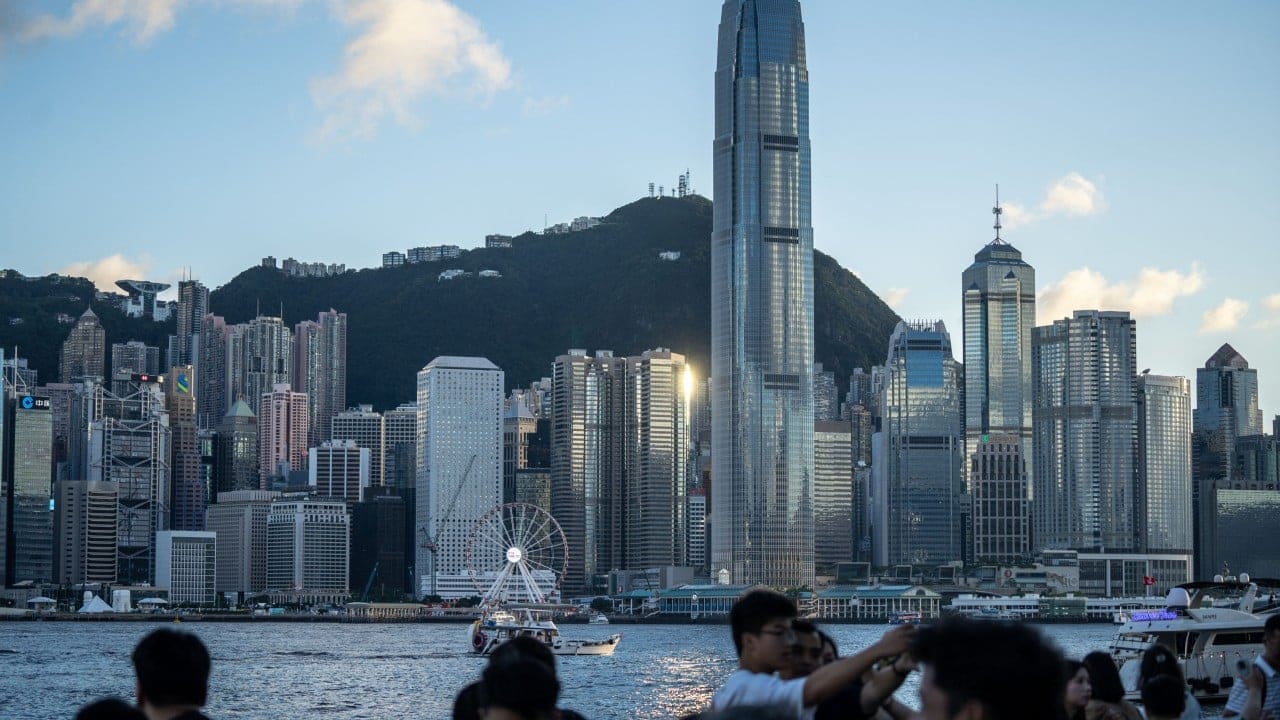
Hong Kong Exchanges and Clearing has opened trading for its first Shanghai free-trade zone offshore bond, a 1.5 billion yuan green issuance that signals the city's determination to maintain its edge in offshore renminbi markets. Shanghai Electric Global Capital, the financing division of power and industrial equipment producer Shanghai Electric, announced the listing on Thursday.
The move comes as Hong Kong faces growing pressure from mainland financial centers vying for a larger share of offshore yuan activity. Free-trade zone bonds, which allow mainland entities to raise capital offshore with fewer regulatory constraints, have emerged as a key instrument in China's gradual capital account liberalization.
Why This Bond Matters
The listing carries symbolic and practical weight for Hong Kong's financial infrastructure. Free-trade zone bonds represent a regulatory bridge between China's onshore and offshore capital markets, offering mainland issuers access to international investors while keeping transactions denominated in yuan. By hosting the first such instrument from Shanghai's FTZ, HKEX positions itself as the natural venue for similar cross-border debt issuance.
Shanghai Electric's green bond structure adds another layer of strategic value. Green financing has become a priority for Chinese policymakers seeking to channel capital toward decarbonization goals, and Hong Kong has invested heavily in building out sustainable finance frameworks. The combination of FTZ mechanics and environmental credentials makes the bond a test case for future issuance.
The 1.5 billion yuan size, equivalent to roughly $222 million, is modest by institutional standards but sufficient to establish market precedent. Pricing details and investor allocation have not been disclosed, though green bonds from state-linked Chinese enterprises typically attract a mix of domestic banks, asset managers, and ESG-focused international funds.
The Broader Contest
Hong Kong's offshore yuan market has long benefited from its role as the primary settlement hub for renminbi trade and investment flows outside mainland China. Daily yuan clearing volumes in the city dwarf those of other centers, and its deep pool of liquidity has made it the default venue for dim sum bonds and other offshore renminbi instruments.
Yet that dominance is no longer assured. Shanghai, Beijing, and Shenzhen have all expanded their own offshore windows through free-trade zones and pilot programs designed to attract international capital. The Shanghai FTZ, established over a decade ago, has steadily broadened the range of cross-border financial activities permitted within its boundaries, including bond issuance, equity investment, and currency trading.
For Hong Kong, the challenge is not just volume but relevance. If mainland centers can offer comparable liquidity and regulatory flexibility, international issuers and investors may bypass the city altogether. Hosting FTZ bonds on HKEX creates a direct link between Shanghai's regulatory experiments and Hong Kong's established infrastructure, reinforcing the complementary relationship between the two hubs rather than ceding ground.
What Comes Next
The success of this inaugural listing will likely determine whether other Shanghai FTZ entities follow suit. If demand proves strong and secondary trading develops smoothly, HKEX could see a pipeline of similar deals from other free-trade zones across China, including those in Guangdong, Tianjin, and Hainan.
Market participants will watch several indicators closely: the bond's trading spread relative to comparable onshore issues, the breadth of investor participation, and whether HKEX can attract FTZ issuance that might otherwise go to Singapore or London. The green label may also draw scrutiny, as international investors increasingly demand rigorous disclosure on environmental impact and use of proceeds.
For now, the listing represents a tactical win for Hong Kong in a contest that will shape the geography of Asian capital markets for years to come. The city's ability to integrate mainland innovations while preserving its own regulatory credibility will determine whether it remains the undisputed offshore yuan center or becomes one option among several.
RELATED STORIES

Hong Kong Insurance Regulator Pivots to Regional Markets After Tax Policy Shock
Cheng Wei-Lun · 2 min

Unitree Robotics Frenzy Highlights China's Tech Hunger Amid Mixed Market Signals
Cheng Wei-Lun · 3 min
Hong Kong Courts AI Hardware Makers to Boost Tech Listings
Cheng Wei-Lun · 3 min
Wealth Managers in Singapore Face New Compliance Era as China Targets Trust Structures
Priyanka V. Rao · 3 min
Spot something wrong? Email editor@briefasia.com. We log every correction publicly.