Finance · Deals
SF Reit Reports Income Decline Amid Stable Hong Kong Logistics Occupancy
The logistics-focused REIT saw distributable income drop 7.3% to HK$110.7 million in H1 2026, reflecting pressure on rental rates despite holding occupancy levels steady.
KEY TAKEAWAYS
- ·SF Reit reported distributable income of HK$110.7 million for H1 2026, a 7.3% year-on-year decline, with total revenue falling 4.6% to HK$219.3 million.
- ·Occupancy rates remained stable across the portfolio, but the income drop signals downward pressure on rental rates as tenants gain negotiating leverage.
- ·The results reflect broader challenges in Hong Kong logistics real estate, where post-pandemic demand normalization and trade volatility weigh on landlord pricing power.
Income Pressures Mount
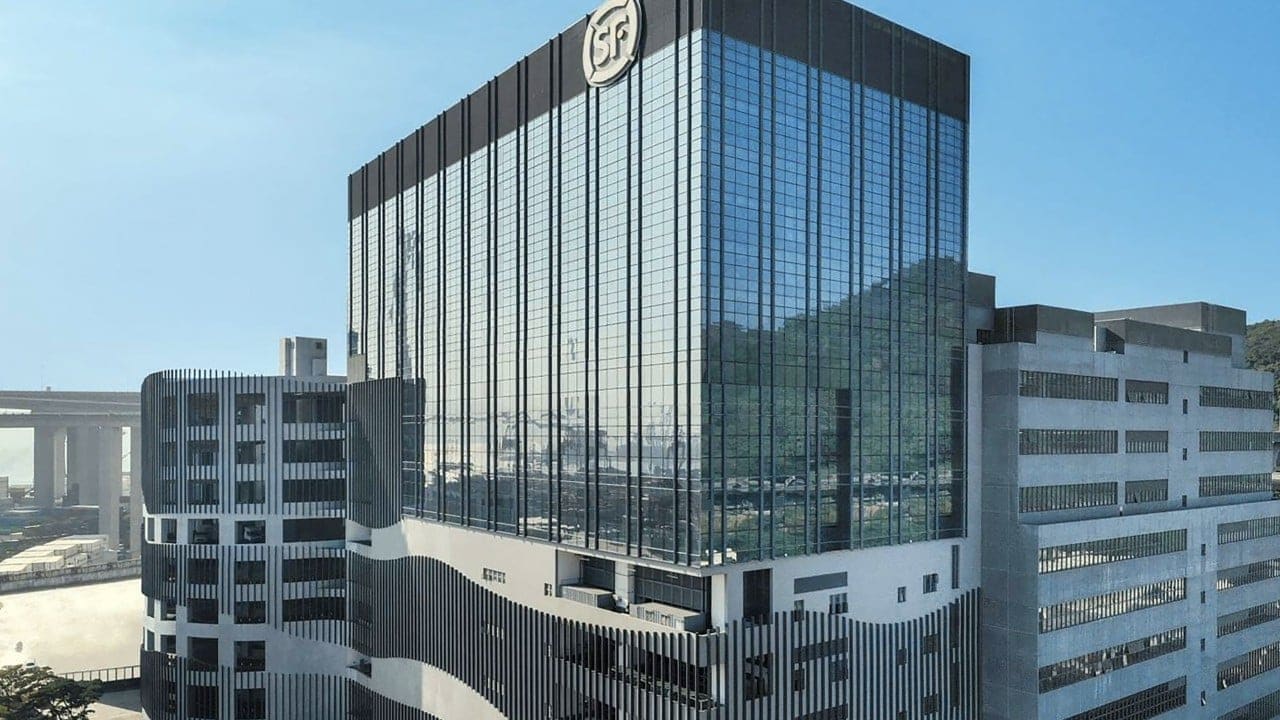
SF Reit, Hong Kong's first real estate investment trust dedicated to logistics assets, posted distributable income of HK$110.7 million (US$14.11 million) for the first half of 2026, according to the company. The figure represents a 7.3% decline from the same period last year, underscoring pricing pressure in the city's warehouse and distribution property segment.
Total revenue reached HK$219.3 million across the six-month period, down 4.6% year-on-year, the REIT disclosed in its Thursday filing. Net property income settled at HK$178.4 million, reflecting narrower margins as operating costs held relatively firm against softer top-line performance.
The trust, controlled by Chinese logistics giant SF Holding, operates a portfolio concentrated in Hong Kong's industrial zones. Its performance offers a real-time snapshot of demand dynamics in one of Asia's most space-constrained logistics markets, where e-commerce growth has historically underpinned warehouse rents but macroeconomic headwinds now temper tenant appetite.
Occupancy Holds, Rents Soften
Despite the income drop, occupancy rates across SF Reit's properties remained stable during the period. The metric suggests tenant retention has not collapsed, but the revenue decline points to downward pressure on lease renewals and new contracts. In Hong Kong's logistics sector, landlords have faced a recalibration after pandemic-era spikes in warehouse demand cooled alongside consumption patterns normalizing and cross-border trade volumes fluctuating.
The gap between steady physical occupancy and falling income per square foot highlights a pricing environment where tenants hold negotiating leverage. Logistics operators, facing their own margin compression from higher fuel costs and wage inflation, have pushed back on rent escalations, forcing property owners to prioritize occupancy over yield.
Regional Context
Hong Kong's logistics real estate sits at the intersection of southern China's manufacturing belt and global trade routes. The city's role as a transshipment hub means its warehouse sector is sensitive to both mainland export activity and regional consumption trends. Recent quarters have seen uneven recovery in retail spending across Southeast Asia and softer goods flows into North American markets, dampening demand for high-cost Hong Kong storage space.
SF Holding's backing gives the REIT direct exposure to China's dominant express delivery network, but it also ties performance to the parent company's own fortunes. SF Holding has navigated intensifying competition in domestic logistics, with price wars among couriers squeezing margins. That competitive pressure can ripple through to the REIT's tenant base, many of whom are third-party logistics providers serving similar end markets.
Outlook and Yield Considerations
For income-focused investors, the 7.3% decline in distributable income will weigh on distribution per unit, a key metric for REIT valuations. Hong Kong-listed REITs have already traded at discounts to net asset value in recent quarters, as rising interest rates and economic uncertainty erode appetite for yield plays. SF Reit's results reinforce concerns that logistics property income may face a multi-quarter adjustment period before stabilizing.
The trust's ability to maintain occupancy suggests its assets remain competitive on location and specification, but the revenue trajectory indicates limited near-term pricing power. Lease maturities over the next 12 months will be a critical test: if renewals continue at lower rates, distributable income could face further pressure even if no space goes dark.
Across Asia's logistics property markets, the bifurcation between prime, last-mile facilities in dense urban cores and secondary warehouse stock has widened. Assets with direct access to consumption centers or intermodal links command premiums, while older, less accessible properties struggle. SF Reit's portfolio skews toward Hong Kong's established industrial districts, positioning it in the middle of that spectrum. The coming quarters will reveal whether the current income decline marks a temporary reset or the start of a deeper valuation adjustment for Hong Kong logistics real estate.
RELATED STORIES
USD-CNY Overtakes Hong Kong Dollar Trading in Historic Shift
Cheng Wei-Lun · 3 min

Mainland China Stocks Hit One-Year Premium Peak Over Hong Kong on AI Rally
Cheng Wei-Lun · 4 min

Jim Rogers Signals Yuan Preference Over Dollar as US Debt Concerns Mount
Cheng Wei-Lun · 3 min
Hong Kong Life Insurers Eye 8-10% Premium Growth Despite Beijing Tax Rule Changes
Cheng Wei-Lun · 2 min
Spot something wrong? Email editor@briefasia.com. We log every correction publicly.