Finance · Markets
USD-CNY Overtakes Hong Kong Dollar Trading in Historic Shift
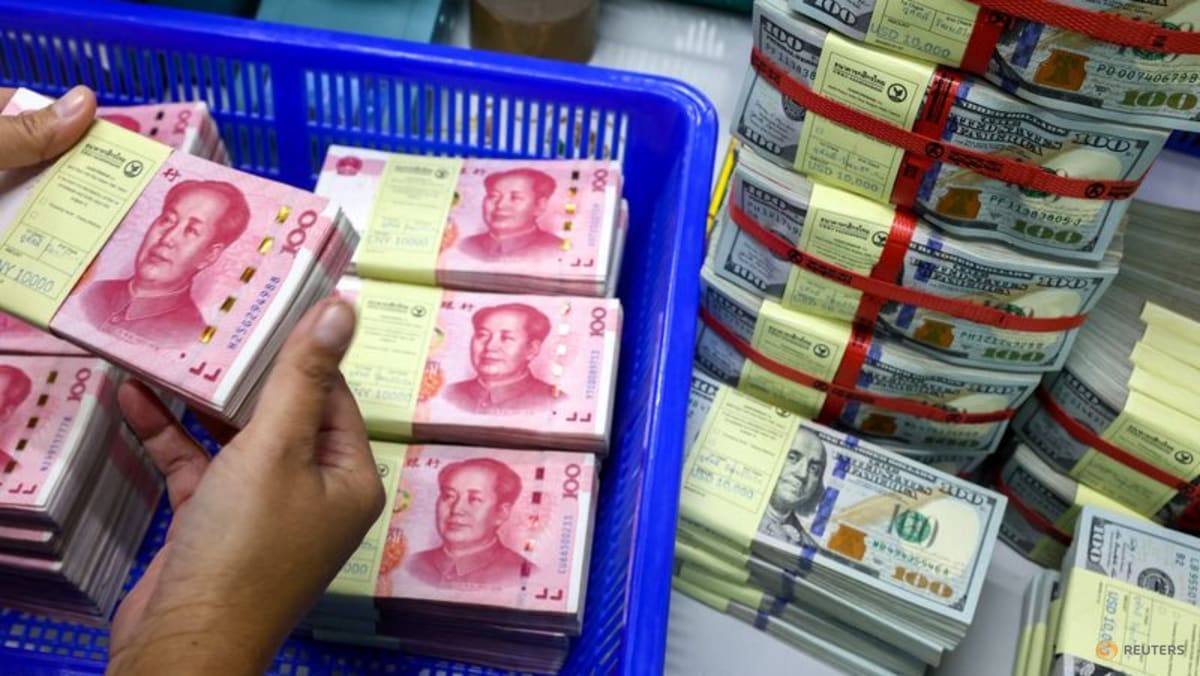
The US dollar-yuan pair captured 30% of the city's foreign exchange market in April as Beijing accelerates offshore renminbi hub strategy
KEY TAKEAWAYS
- ·The US dollar-Chinese yuan pair reached $274 billion in average daily turnover in Hong Kong during April, capturing 30.2% of total foreign exchange volume and surpassing the Hong Kong dollar-US dollar pair for the first time.
- ·Total foreign exchange turnover in Hong Kong climbed to $908.2 billion per day in April, reflecting broader growth in the city's currency trading activity.
- ·Beijing and Hong Kong authorities have introduced multiple measures to strengthen the city's offshore yuan infrastructure amid geopolitical tensions and yuan internationalization efforts.
A New Trading Leader
Hong Kong's foreign exchange market has reached a turning point. The US dollar-Chinese yuan pair now commands the largest share of currency trading in the city, displacing the Hong Kong dollar-US dollar combination that held the top position for decades.
Average daily turnover in the USD-CNY pair reached $274 billion in April, according to the Treasury Markets Association. That volume represents 30.2% of Hong Kong's total foreign exchange transactions and marks a substantial jump from $198.6 billion recorded in the previous semi-annual survey.
The Hong Kong dollar-US dollar pair posted $240.2 billion in average daily turnover during the same period. While that figure also reflects growth, it wasn't enough to maintain the pair's historical dominance.
Total foreign exchange turnover across Hong Kong climbed to $908.2 billion per day in April, the TMA data showed.
Mainland Push Behind the Numbers
The shift reflects a deliberate strategy by Beijing and Hong Kong regulators to strengthen the city's position as the primary offshore renminbi trading hub. Authorities on both sides have rolled out multiple initiatives targeting currency, bond, and gold trading infrastructure in recent quarters.
These measures arrive against a backdrop of rising geopolitical friction. As trade tensions and financial decoupling concerns mount, Beijing has intensified efforts to internationalize the yuan and reduce reliance on dollar-denominated channels for cross-border settlement.
Hong Kong sits at the center of this ambition. The city's common law framework, convertible currency, and deep capital markets make it the natural bridge between mainland China and global investors. Expanding yuan liquidity pools and trading volumes in Hong Kong serves dual purposes: it facilitates international use of the currency while keeping offshore yuan flows within a jurisdiction aligned with Beijing's policy goals.
What Drives Offshore Yuan Demand
Several factors underpin the growing appetite for dollar-yuan trading in Hong Kong. Chinese exporters and importers increasingly settle trade in renminbi, creating natural demand for currency conversion outside the mainland's capital controls. Multinational corporations with China exposure use Hong Kong as a hedging and treasury management center, requiring deeper yuan liquidity.
Investment flows also play a role. The expansion of Stock Connect and Bond Connect programs has funneled billions in foreign capital into mainland markets, with much of that activity requiring currency exchange in Hong Kong. Meanwhile, Chinese institutional investors deploying capital overseas generate reverse flows.
The yuan's relative stability over the past year, despite periodic volatility, has made it a more attractive trading instrument. Central bank swap lines and liquidity facilities have bolstered confidence in offshore yuan markets, reducing the perceived risks that once deterred institutional participation.
Implications for the City's Role
The milestone underscores Hong Kong's evolving identity in Asian finance. While the city remains a vital hub for dollar-based transactions and remains pegged to the greenback, its growing role in yuan intermediation signals a structural shift in regional capital flows.
For banks and brokers operating in Hong Kong, the trend creates both opportunity and complexity. Institutions must invest in yuan trading desks, risk management systems, and regulatory compliance infrastructure to capture market share. The growth also raises questions about balance sheet exposure and how firms manage yuan liquidity in a market still subject to mainland policy shifts.
The data from April offers a snapshot, not a permanent realignment. Currency trading patterns fluctuate with economic cycles, policy changes, and market sentiment. Yet the trajectory is clear: yuan internationalization is no longer an abstract policy goal but a measurable reality in one of the world's leading financial centers.
Hong Kong's ability to sustain this momentum will depend on Beijing's willingness to continue opening capital channels and on the city's capacity to maintain its legal and regulatory distinctiveness. The April figures suggest that, for now, both elements remain in place.
RELATED STORIES

Jim Rogers Signals Yuan Preference Over Dollar as US Debt Concerns Mount
Cheng Wei-Lun · 3 min

Hong Kong Lists Shanghai Free-Trade Zone Bond as Yuan Hub Competition Intensifies
Cheng Wei-Lun · 3 min

Hong Kong Life Insurers Eye 8-10% Premium Growth Despite Beijing Tax Rule Changes
Cheng Wei-Lun · 2 min

Hong Kong Extends Insurance Chief's Term Amid Beijing Tax Pressure
Cheng Wei-Lun · 3 min
Spot something wrong? Email editor@briefasia.com. We log every correction publicly.