Travel & Dining · Dining
Singapore's Annalakshmi Restaurant Has Survived 25 Years on Pay-What-You-Want
The vegetarian buffet lets diners set their own price, sustained by volunteers, catering revenue, and customers who return years later to pay it forward
KEY TAKEAWAYS
- ·Annalakshmi has operated a pay-as-you-wish vegetarian buffet in Singapore for 25 years, letting diners decide their own bill since 2001.
- ·The restaurant sustains operations through volunteer labor, catering revenue, and an à la carte café that supplements the flagship buffet model.
- ·During COVID-19 in 2020, Annalakshmi served over 50,000 meals to migrant workers and delivered 2,000 meals fortnightly to elderly beneficiaries.
A Quarter-Century Without Fixed Prices
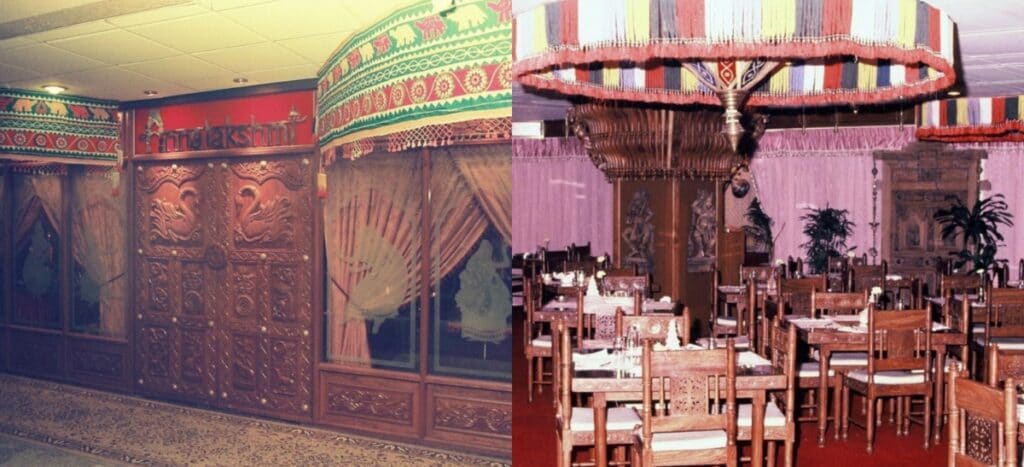
Annalakshmi has operated its pay-as-you-wish buffet in Singapore since 2001, allowing diners to decide how much they contribute for their meal. The vegetarian restaurant first opened in 1986 with conventional pricing before transitioning to its current model a decade and a half later. In a market where food and beverage operators face climbing rent, labor shortages, and cautious spending, handing pricing power to customers represents an unusual bet on generosity over guaranteed revenue.
The model stems from founder Swami Shantanand Saraswathi's experience as a 16-year-old monk at the Kashi Annapurna Temple in Varanasi, India. Hungry and uncertain where his next meal would come from, he was served food by a stranger who asked for nothing in return. That encounter shaped his belief that no one should be turned away from a meal because of inability to pay.
The Economics of Generosity
The restaurant's survival hinges on more than diner goodwill. A network of volunteers handles food preparation, service, and cash register operations. Annalakshmi refers to these volunteers as "annalakshmis," drawing from Hindu concepts of abundance. Many contribute time because they align with the restaurant's service philosophy, while others provide in-kind donations or professional expertise.
Revenue diversification has proven essential. Annalakshmi operates a catering and events business alongside the buffet. The organization has also opened Annalakshmi Café, which uses conventional à la carte pricing for customers who prefer not to navigate the pay-as-you-wish system. These parallel income streams allow the flagship buffet model to continue operating.
Some diners who first visited as cash-strapped students return years later with families and colleagues, now able to contribute more. Several have told the restaurant that affordable meals reminded them of home during financially tight periods. This pattern creates a multi-year cycle where early beneficiaries become later supporters.
Stress-Testing the Model
The restaurant's philosophy centers on the Hindu principle of Atithi Devo Bhava, meaning "Guest is God." In practice, this translates to prioritizing service intention over profit margins. The team acknowledges that rising costs in Singapore's food and beverage sector create constant pressure. Collective resilience among staff and volunteers helps maintain focus when financial realities threaten the founding vision.
COVID-19 pushed the model to its limits. Unable to operate normal service, Annalakshmi redirected its kitchen toward community relief. In 2020, the restaurant served more than 50,000 meals to migrant workers, subsidized 500 meals every two weeks for families in need, and delivered 1,000 meals fortnightly to elderly beneficiaries and care homes, according to Annalakshmi.
The pandemic period demonstrated both the vulnerability and adaptability of the pay-as-you-wish structure. With buffet revenue eliminated, the organization leaned entirely on its volunteer base, donor network, and community relationships built over decades.
Operating Without Price Signals
First-time diners often ask how much they should contribute. The restaurant avoids suggesting amounts, instead explaining the model's philosophy and emphasizing that no minimum exists. The approach aims to reduce anxiety around payment while maintaining the principle that contribution levels reflect individual circumstances.
Annalakshmi now operates from OUE Downtown Gallery after previous locations at Excelsior Hotel, Chinatown Point, and Central Square. The restaurant celebrated its 40th anniversary in March 2026, marking four decades since opening and 25 years under the pay-as-you-wish system.
Beyond its dining room, Annalakshmi extends meal service to migrant workers and elderly residents who may never visit the restaurant. These outreach efforts align with the founding belief that food access should not depend on ability to pay.
The restaurant's longevity in Singapore's competitive food scene suggests that alternative pricing models can survive when backed by diversified revenue, volunteer labor, and a customer base willing to subsidize others. Whether the model scales or remains viable as operating costs continue rising will test the limits of community-supported hospitality in one of Asia's most expensive cities.
RELATED STORIES
OpenAI in Talks to Triple Singapore Office Space at Shaw Tower
Priyanka V. Rao · 3 min

Singapore's AI Hiring Surge Faces Investment Durability Test
Lim Hui Ying · 3 min
Singapore Tightens Transshipment Rules Amid US Tariff Scrutiny
Lim Hui Ying · 4 min

ShopeePay Becomes Payment Option for Google Play in Singapore
Priyanka V. Rao · 3 min
Spot something wrong? Email editor@briefasia.com. We log every correction publicly.