Finance · Banking
Hong Kong Extends Insurance Chief's Term Amid Beijing Tax Pressure
Clement Cheung set for three more years at Insurance Authority as offshore policy crackdown tests sector stability

KEY TAKEAWAYS
- ·Hong Kong will reappoint Clement Cheung as Insurance Authority chief executive for three more years through 2029.
- ·The extension aims to provide stability as Beijing's offshore tax enforcement pressures the city's mainland-focused insurance business.
- ·Insurers face shrinking demand from mainland clients and must adapt business models under new tax compliance burdens.
Leadership Continuity in Turbulent Times
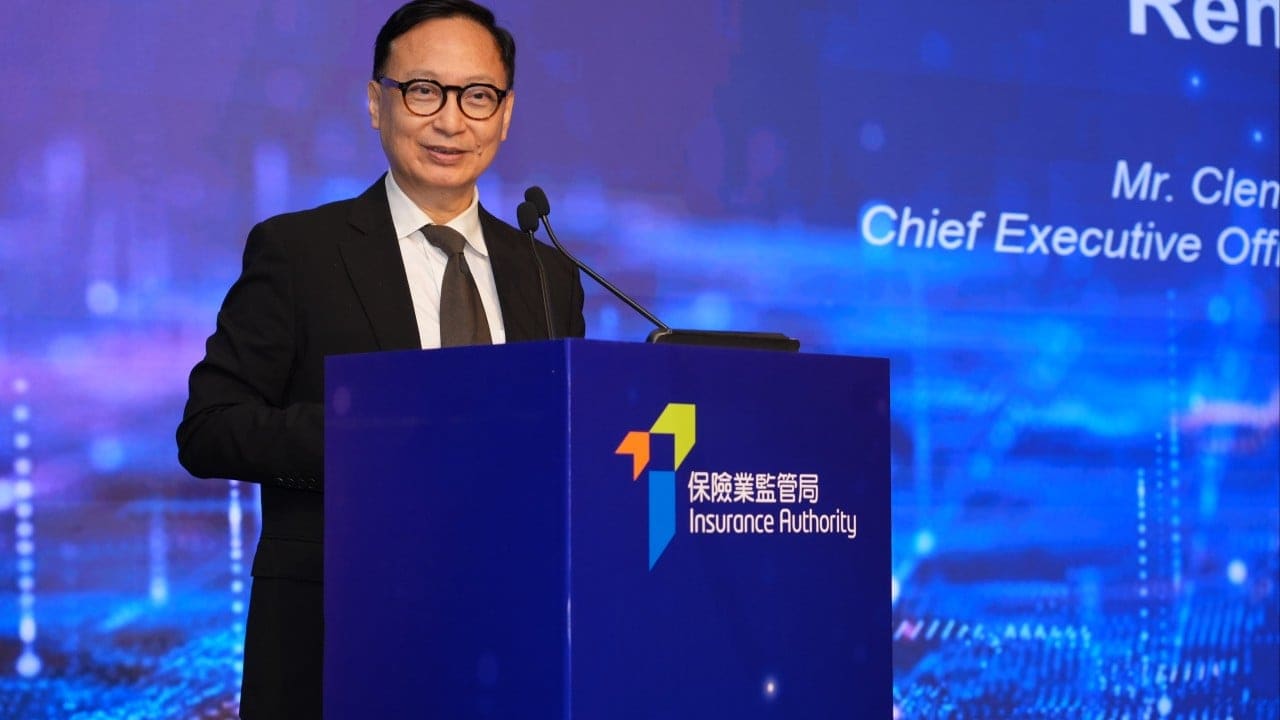
Hong Kong's government will extend Clement Cheung Wan-ching's tenure as chief executive of the Insurance Authority for another three years, people familiar with the decision said. The reappointment, expected to be announced Friday, reflects official concern about stability in the city's insurance sector as mainland regulatory pressure reshapes the business.
Cheung has headed the Insurance Authority since 2018, guiding the regulator through a period of rapid growth in cross-border policies sold to mainland Chinese clients. That boom now faces its most serious test as Beijing tightens enforcement of tax rules on offshore insurance products, a shift that has rattled the industry and prompted insurers to rethink their mainland-focused strategies.
The decision to keep Cheung in place signals that Hong Kong authorities want experienced hands managing the sector through what industry executives privately describe as the most challenging environment in years. His current term was scheduled to conclude this year, and the extension will carry him through mid-2029.
The Offshore Tax Question
Beijing's tax authorities have stepped up scrutiny of mainland residents purchasing life insurance policies in Hong Kong and other offshore jurisdictions, part of a broader effort to close loopholes that allow wealth to flow out of the country untaxed. The crackdown targets policies that mainland buyers have used for estate planning, wealth transfer, and asset diversification beyond the reach of domestic regulators.
For Hong Kong insurers, mainland clients have been a critical growth engine. Cross-border policies surged in the years following the launch of insurance connect schemes and broader financial opening between Hong Kong and the mainland. Insurers built sales teams, opened branches near border crossings, and tailored products to mainland preferences for dollar-denominated savings vehicles.
The new enforcement posture threatens that model. Mainland tax residents are now expected to declare offshore insurance holdings and face potential tax liabilities on policy gains. Insurers worry that compliance burdens and tax costs will dampen demand, shrinking a revenue stream that many had counted on for years to come.
Regulatory Balancing Act
Cheung's challenge will be managing the fallout while preserving Hong Kong's attractiveness as a regional insurance hub. The Insurance Authority has worked to strengthen oversight and consumer protection in recent years, implementing risk-based capital requirements and tightening licensing standards. Those reforms have won praise from international observers but also increased compliance costs for smaller players.
Now the regulator must navigate external pressure that it cannot directly control. Beijing's tax policy is set in the mainland, and Hong Kong has limited leverage to shape enforcement decisions that affect cross-border business. What the Insurance Authority can do is ensure that local firms remain solvent, treat customers fairly, and adapt their business models without triggering a wave of failures or misconduct.
Industry executives say Cheung has built credibility with both insurers and mainland counterparts, a valuable asset in a period that will require coordination across jurisdictions. His reappointment avoids a leadership transition at a moment when continuity may matter more than fresh thinking.
What Lies Ahead
The insurance sector's immediate future depends on how aggressively Beijing enforces the tax rules and whether mainland buyers continue purchasing offshore policies despite higher costs. Early signs suggest demand has softened, though comprehensive data remain scarce. Some insurers have begun shifting focus back toward local Hong Kong customers and exploring Southeast Asian markets as alternative growth avenues.
Cheung's next term will likely involve more active dialogue with mainland regulators, efforts to stabilize the cross-border business within new tax constraints, and possibly new initiatives to diversify the sector's revenue base. The outcome will shape not only Hong Kong's insurance industry but also the city's broader role as a financial gateway between China and the rest of Asia.
RELATED STORIES
Hong Kong Insurance Regulator Pivots to Regional Markets After Tax Policy Shock
Cheng Wei-Lun · 2 min

Hong Kong Lists Shanghai Free-Trade Zone Bond as Yuan Hub Competition Intensifies
Cheng Wei-Lun · 3 min

Unitree Robotics Frenzy Highlights China's Tech Hunger Amid Mixed Market Signals
Cheng Wei-Lun · 3 min

HSBC Names Dual Leaders for Insurance Unit After CEO Exit
Priyanka V. Rao · 2 min
Spot something wrong? Email editor@briefasia.com. We log every correction publicly.