Finance · Markets
Jim Rogers Signals Yuan Preference Over Dollar as US Debt Concerns Mount
The veteran investor told a Hong Kong audience he would favor Chinese currency holdings if convertibility barriers were removed, while planning equity sales ahead of potential market turbulence.

KEY TAKEAWAYS
- ·Jim Rogers stated at a Hong Kong event he would prefer holding Chinese yuan over US dollars if the currency were fully convertible, citing US national debt concerns.
- ·The 83-year-old investor is selling equity positions to increase cash holdings, anticipating potential market turbulence linked to sovereign debt dynamics.
- ·China's capital controls prevent full yuan convertibility, limiting its adoption as a reserve currency despite growing interest from global investors seeking dollar alternatives.
A Currency Preference Revealed
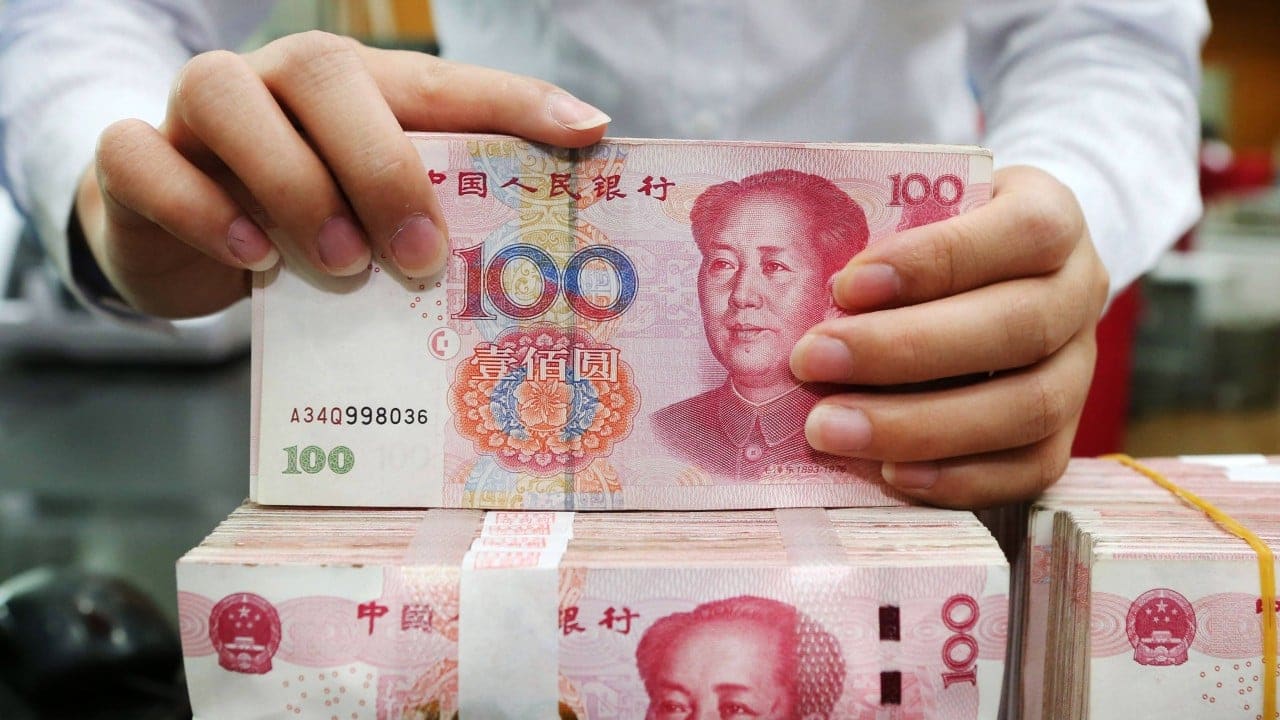
Jim Rogers, the 83-year-old co-founder of the Quantum Fund, outlined an unconventional currency preference at an investor event in Hong Kong over the weekend. Speaking to attendees, Rogers stated he would choose Chinese yuan over US dollar holdings if Beijing's currency were fully convertible, according to his remarks at the Saturday gathering.
The statement marks a notable position for an American investor whose career spans five decades of global macro investing. Rogers framed the preference within his broader concern about escalating US national debt levels, which have shaped his defensive portfolio positioning in recent months.
Equity Reduction Strategy
Rogers disclosed plans to sell portions of his equity holdings and increase cash positions. The move reflects his expectation of what he characterized as potential market deterioration ahead, though he did not specify a timeline or percentage of portfolio reallocation.
The investor has maintained elevated cash levels for an extended period, viewing liquidity as a hedge against systemic risks tied to sovereign debt dynamics. His approach contrasts with the equity-heavy allocations typical among institutional investors during the current market cycle.
The Convertibility Question
Full convertibility remains a structural limitation for yuan adoption in global reserve portfolios. China maintains capital controls that restrict the free flow of currency across its borders, a policy framework designed to preserve monetary sovereignty and financial stability. These controls prevent the yuan from functioning as a freely traded reserve asset comparable to the dollar, euro, or yen.
Rogers' hypothetical scenario underscores the currency's theoretical appeal to investors seeking alternatives to dollar exposure. The yuan's share of global foreign exchange reserves stood at approximately 2.3 percent in the first quarter of this year, according to International Monetary Fund data, while the dollar commanded roughly 58 percent.
Asia's Reserve Currency Landscape
The broader Asian currency environment has seen gradual shifts in recent years. Central banks across the region have diversified reserve holdings incrementally, though the dollar's dominance persists due to deep liquidity in US Treasury markets and the currency's role in commodity pricing and trade settlement.
Singapore, Tokyo, and Hong Kong financial centers continue to process the majority of cross-border transactions in dollars, even as regional trade agreements and bilateral currency swap arrangements expand yuan usage in specific corridors. The People's Bank of China has established swap lines with multiple Asian central banks, facilitating yuan settlement for trade flows without requiring full convertibility.
Debt Trajectory and Market Positioning
US federal debt surpassed 34 trillion dollars earlier this year, with interest payments consuming an increasing share of federal revenue. Rogers has cited this trajectory as a primary driver of his cautious market stance, viewing the debt burden as a constraint on policy flexibility and a potential catalyst for currency depreciation over time.
His cash-heavy approach reflects a macro view that prioritizes capital preservation over yield generation in an environment where sovereign debt dynamics could trigger volatility across asset classes. The strategy aligns with his historical pattern of rotating into defensive positions ahead of market dislocations.
Implications for Asian Capital Flows
Rogers' public endorsement of yuan holdings, even conditionally, signals continued interest among global investors in Chinese currency exposure as a portfolio diversification tool. The statement arrives as Beijing gradually expands yuan internationalization initiatives, including offshore clearing arrangements and bond market access programs for foreign institutions.
Hong Kong's role as an offshore yuan hub positions the city as a testing ground for incremental liberalization measures. Offshore yuan deposits in Hong Kong totaled approximately 850 billion yuan at the end of the second quarter, reflecting sustained institutional demand for yuan-denominated assets despite convertibility constraints.
The veteran investor's remarks will likely resonate with asset allocators reassessing dollar concentration risk, even as practical barriers to large-scale yuan adoption remain firmly in place.
RELATED STORIES

Hong Kong Life Insurers Eye 8-10% Premium Growth Despite Beijing Tax Rule Changes
Cheng Wei-Lun · 2 min

Hong Kong Extends Insurance Chief's Term Amid Beijing Tax Pressure
Cheng Wei-Lun · 3 min

CRRC Eyes Former Kai Tak Airport Site for Autonomous Bus Trial
Cheng Wei-Lun · 3 min
Chinese Banks Shift Corporate Loan Pricing to Daily Repo Rates
Cheng Wei-Lun · 3 min
Spot something wrong? Email editor@briefasia.com. We log every correction publicly.