Technology · Products
CRRC Eyes Former Kai Tak Airport Site for Autonomous Bus Trial
China's state-owned rail giant plans to turn Hong Kong waterfront into showcase for driverless transit technology ahead of international push
KEY TAKEAWAYS
- ·CRRC plans to develop an autonomous bus system at Hong Kong's former Kai Tak Airport waterfront site as a test bed for overseas expansion.
- ·The project positions Hong Kong as a high-visibility showcase for CRRC's autonomous transit technology in front of regional decision-makers.
- ·Success in Hong Kong could open contracts across Asia, where cities seek transit upgrades without the cost of full metro systems.
From Runway to Transit Lab
The waterfront strip where Kai Tak Airport once welcomed jets into Hong Kong could soon host a different kind of mobility experiment. China Railway Rolling Stock Corporation announced plans to develop an autonomous bus system on the narrow stretch of reclaimed land jutting into Victoria Harbour, nearly three decades after the airport's closure.
CRRC executives described the proposal as both a connectivity solution for the redeveloped district and a strategic showcase. The state-owned manufacturer, which supplies railway vehicles to transit systems across Asia, Europe, and the Americas, views the site as a test bed that could accelerate its entry into the autonomous ground transport market beyond traditional rail.
Strategic Positioning in Asia's Transit Hub
The Kai Tak site offers CRRC a high-visibility platform in one of Asia's most densely connected cities. Hong Kong's status as a financial and logistics center means transport officials, urban planners, and investors from across the region regularly pass through. A functioning autonomous bus loop in the heart of the city would put CRRC's technology in front of decision-makers evaluating similar systems for Singapore, Bangkok, Manila, and emerging smart-city projects across Southeast Asia.
CRRC has not disclosed a timeline or capital commitment for the project. The company currently dominates global rail manufacturing, holding contracts with metro systems in dozens of countries, but autonomous road vehicles represent a newer vertical. Deploying a pilot in Hong Kong would allow the firm to gather operational data under real-world conditions, including mixed traffic, pedestrian density, and subtropical weather.
Broader Ambitions Beyond Hong Kong
The initiative aligns with Beijing's broader push to export advanced transport infrastructure. Chinese state-owned enterprises have secured metro and high-speed rail contracts in cities from Jakarta to Cairo, often bundled with concessional financing. Autonomous bus systems could become the next frontier, particularly in markets where full metro lines face cost or land constraints.
CRRC's move also reflects intensifying competition in the autonomous transit sector. European suppliers like Siemens Mobility and Alstom are piloting driverless shuttles in smaller cities, while Japanese firms have tested autonomous buses in controlled environments. By planting a flag in Hong Kong, CRRC signals intent to compete not only on price but on deployment speed and system integration.
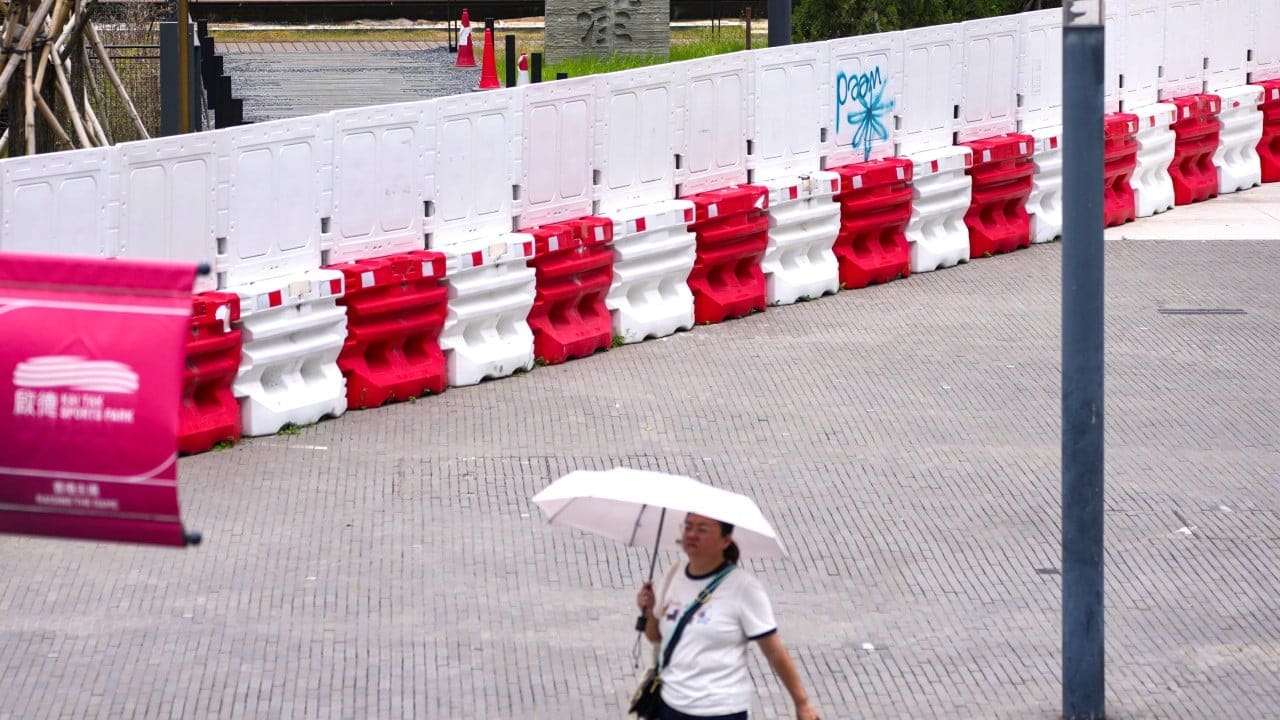
The former airport site itself remains a work in progress. Redevelopment has proceeded in phases since the late 1990s, with residential towers, a cruise terminal, and sports facilities now occupying portions of the land. Transit links have lagged, leaving some areas dependent on bus feeders to the nearest metro stations. An autonomous loop could fill that gap while serving as a live demonstration for visiting delegations.
What Comes Next
CRRC has not yet secured formal approval from Hong Kong's transport authorities, and regulatory hurdles for autonomous vehicles in the city remain significant. Safety certification, liability frameworks, and public acceptance will all factor into whether the project advances beyond the proposal stage.
If the trial proceeds, it would mark one of the largest autonomous bus deployments in a major Asian city to date. For CRRC, success in Hong Kong could translate into contracts in cities across the region looking to modernize transit without the expense of fixed rail. For Hong Kong, it offers a chance to turn a legacy aviation site into a proving ground for the next generation of urban mobility.
RELATED STORIES

Hong Kong Extends Insurance Chief's Term Amid Beijing Tax Pressure
Cheng Wei-Lun · 3 min
Unitree Robotics Frenzy Highlights China's Tech Hunger Amid Mixed Market Signals
Cheng Wei-Lun · 3 min
Hong Kong Lists Shanghai Free-Trade Zone Bond as Yuan Hub Competition Intensifies
Cheng Wei-Lun · 3 min

Hong Kong Insurance Regulator Pivots to Regional Markets After Tax Policy Shock
Cheng Wei-Lun · 2 min
Spot something wrong? Email editor@briefasia.com. We log every correction publicly.