Finance · Markets
US Treasury Bond Plan Lifts Asian Tech Stocks After Yield Spike
Seoul's Kospi surged nearly 6% as Washington pledged to double long-term bond issuance, calming markets rattled by 30-year yields at 19-year highs
KEY TAKEAWAYS
- ·The US Treasury announced it will double long-term bond issuance after 30-year yields hit their highest level since June 2007, signaling Washington's concern over elevated borrowing costs.
- ·Seoul's Kospi jumped nearly 6% as SK hynix surged 12.7% following a $29 billion share buyback announcement, while Samsung climbed more than 9%.
- ·Federal Reserve minutes revealed three dissenting votes for rate hikes in July, with policymakers warning increases may be necessary if inflation persists.
Treasury Intervention Calms Markets
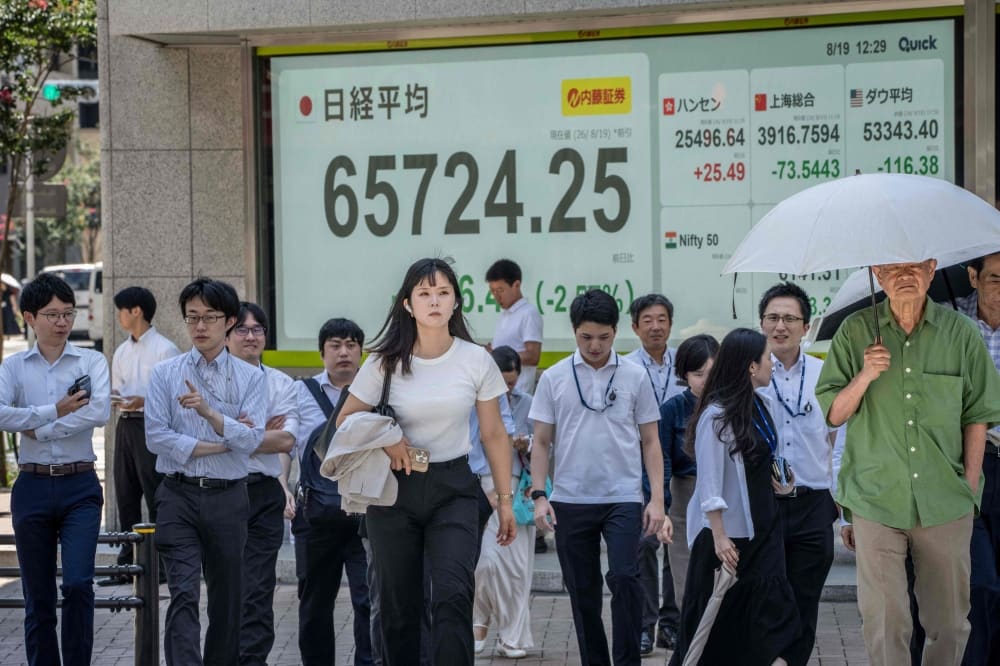
Asian equity markets rebounded sharply on August 20 after the US Treasury announced it would double its issuance of long-term bonds, a move designed to push down borrowing costs that had climbed to near two-decade peaks. The 30-year US Treasury yield hit its highest level since June 2007 earlier in the week, triggering concern across global markets about the cost of debt financing.
The Treasury's commitment provided immediate relief. US equities reversed earlier losses to close higher, while the dollar weakened against major currencies as traders welcomed the intervention. The announcement signaled Washington's discomfort with elevated long-end yields, which had been driven by persistent inflation expectations, government borrowing levels, and the possibility of Federal Reserve rate increases.
Neil Wilson at Saxo Markets noted the operation's symbolic weight outstrips its actual size relative to the $40 trillion US government debt pile. The message, he observed, is clear: the administration views the recent surge in long-term yields as unacceptable.
Seoul and Tech Stocks Lead Recovery
Seoul's Kospi jumped nearly 6%, leading the regional rally after bearing the brunt of selling pressure the previous session. SK hynix, the South Korean chipmaker, rocketed 12.7% following its announcement of a $29 billion share buyback program aimed at reassuring investors. Samsung Electronics climbed more than 9%.
Technology firms across Asia, which depend heavily on debt to finance artificial intelligence infrastructure investments, had been hammered in recent sessions. Tokyo's Nikkei 225 rose 1.4% to close at 66,216.79, with tech names contributing significantly. Hong Kong's Hang Seng Index added 0.8%, while Shanghai's Composite gained 0.2%. Sydney, Taipei, Mumbai, Bangkok, Jakarta, and Manila also posted solid advances.
European markets opened lower, with London, Paris, and Frankfurt all declining in early trading.
Oil and Iran Tensions Persist
Crude prices jumped more than 1%, extending a two-week rally as hopes for a US-Iran agreement to reopen the Strait of Hormuz continue to fade. The deadline for a potential deal passed this week without resolution. Washington maintains a naval blockade on Iranian ports while Tehran has attacked commercial vessels transiting the strategic waterway.
Iran's armed forces warned Gulf nations against assisting US military operations. While both sides indicated that messages are being exchanged, President Trump dismissed the prospect of talks, posting on social media that depicted the strait as "NEW US Territory." West Texas Intermediate climbed 1.6% to $87.23 per barrel, while Brent North Sea Crude rose 1.5% to $93.00.
Fed Minutes Show Hawkish Dissent
Minutes from the Federal Reserve's July meeting revealed internal debate over interest rate policy. Three of the 12 voting members of the Federal Open Market Committee dissented from the decision to hold rates steady, advocating instead for an increase. They pointed to solid economic expansion, though noted business investment remains concentrated in the AI sector.
The minutes showed several policymakers believe rate hikes will be necessary if inflation fails to decline. Market participants now await next week's annual gathering of central bankers and economists at Jackson Hole, Wyoming, where Fed Chair Kevin Warsh's comments on monetary policy will be closely scrutinized.
Fiona Cincotta at City Index questioned whether the decline in yields can be sustained. If oil prices remain elevated and concerns over US borrowing persist, pressure on the long end of the Treasury curve could return, she said.
Evergrande Founder Sentenced
In corporate developments, Xu Jiayin, founder of Chinese property developer Evergrande, received a life sentence and the company was fined more than $2 billion following its high-profile default in 2021. The court found Xu guilty of multiple crimes, including large-scale financial fraud between 2016 and 2021. Authorities said Evergrande inflated assets and concealed liabilities through continuous fraud. Xu's political rights were revoked for life and all personal property confiscated.
The dollar stabilized after its sharp decline, trading at 158.43 yen. The euro rose to $1.1693, while the pound climbed to $1.3626. Gold jumped back above $4,500 per ounce for the first time since early June, benefiting from safe-haven demand amid lingering uncertainty over interest rates and geopolitical tensions in the Gulf.
RELATED STORIES
China's Tax Enforcement Push Tests Offshore Trust Structures
Cheng Wei-Lun · 3 min
Singapore Moves to Close Asset Management Gap with Hong Kong
Priyanka V. Rao · 3 min
Investment Banks Brace for Talent Drain as Hong Kong Prepares Fund Manager Tax Cuts
Priyanka V. Rao · 4 min
Singapore Exchange Weighs Response as Hong Kong Proposes Continuous Trading
Cheng Wei-Lun · 4 min
Spot something wrong? Email editor@briefasia.com. We log every correction publicly.