Finance · Markets
Singapore Exchange Weighs Response as Hong Kong Proposes Continuous Trading
HKEX's plan to scrap its lunch break raises questions about whether SGX should follow suit to maintain regional competitiveness
KEY TAKEAWAYS
- ·Hong Kong Stock Exchange is proposing continuous trading without a lunch break, prompting Singapore Exchange to reconsider its own market structure.
- ·Extending trading hours may not improve liquidity or attract investors, as institutional flows depend more on regulatory environment and listed company quality.
- ·SGX faces operational costs and potential liquidity fragmentation if it matches Hong Kong's move without clear evidence of investor demand.
A Regional Rivalry Rekindled
The Hong Kong Stock Exchange is moving toward continuous trading sessions that would eliminate its traditional lunch break, a proposal that has forced Singapore Exchange to reconsider a question it thought it had answered years ago. The plan would create an uninterrupted trading window from market open through the afternoon close, aligning HKEX more closely with Western exchanges.
For SGX, the calculus is complicated. Regional exchanges rarely operate in isolation, and any structural change by a major competitor demands at least internal review. Yet the case for following Hong Kong's lead remains far from clear, particularly when Singapore's stated priority is improving liquidity and deepening its capital markets rather than simply matching operational hours.
The Liquidity Question
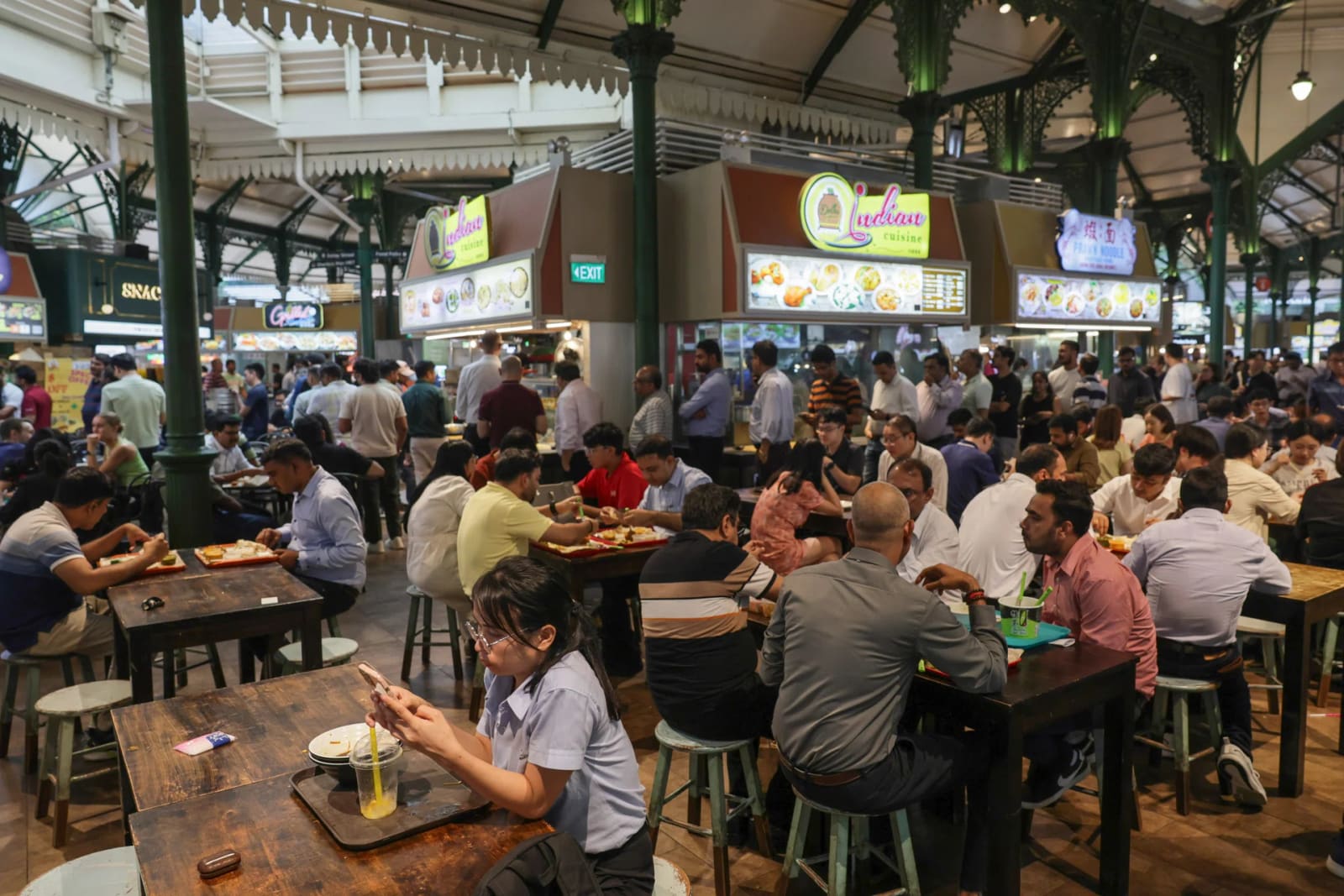
Trading through lunch does not automatically translate into higher volumes or better price discovery. Singapore's market structure already reflects decisions made with local and regional investor behavior in mind. Retail participants, who form a meaningful portion of SGX's trading activity, have shown little indication that a midday pause ranks among their chief concerns when choosing where to allocate capital.
Institutional flows, meanwhile, are driven by factors that have little to do with whether a market closes for an hour at noon. Fund managers evaluate exchanges based on depth, regulatory environment, cost of execution, and the quality of listed companies. A continuous session addresses none of these fundamentals.
HKEX's own rationale centers on reducing friction for global investors who trade across time zones. Hong Kong's position as a gateway to Chinese equities gives it unique exposure to European and American money managers who prefer seamless access during their own trading hours. Singapore's role in Southeast Asian capital markets is different. The bulk of its investor base operates within Asian hours, and the coordination challenge that drives Hong Kong's thinking is less acute.
What Competitiveness Really Means
SGX has spent the past decade working to position itself as a hub for listings in high-growth sectors, including technology and green finance. It has introduced new listing frameworks, streamlined regulatory processes, and pursued partnerships with regional bourses. These efforts aim to address the structural reasons companies and investors choose one venue over another.
Extending trading hours might generate headlines, but it would do little to solve Singapore's more pressing challenges. The exchange has struggled with relatively thin liquidity in certain segments, particularly mid-cap stocks. Trading continuously would not change the fact that many Singapore-listed companies remain under-researched and under-owned by international institutions.
Hong Kong's proposal also comes at a time when its own market faces headwinds. Geopolitical uncertainty, regulatory shifts in China, and capital outflows have weighed on HKEX volumes in recent years. The continuous trading plan may be as much about reversing a decline as it is about gaining an edge over rivals.
Operational and Cost Considerations
Switching to a continuous session is not a trivial undertaking. It requires adjustments to technology infrastructure, staffing models, and market surveillance systems. Brokerages would need to maintain coverage throughout the day, increasing operational costs that would likely be passed on to clients in some form.
For smaller trading firms and retail brokers, the added expense could be material. If the benefit in terms of new volume or improved execution is marginal, the cost-benefit analysis tilts against the change. SGX would need to weigh whether the competitive optics of matching Hong Kong justify the disruption and expense across its ecosystem.
There is also the question of whether continuous trading would fragment liquidity rather than consolidate it. If volumes remain constant but are spread across more hours, the result could be wider spreads and reduced efficiency, particularly during the former lunch period when participation might be low.
The Path Forward
Singapore's exchange is unlikely to make a hasty decision. Any move would require consultation with market participants, technology providers, and regulators. The Monetary Authority of Singapore has historically taken a measured approach to structural changes, prioritizing stability and long-term competitiveness over reactive adjustments.
What matters more than trading hours is whether SGX can continue to attract quality listings, deepen liquidity in existing names, and build out the derivatives and fixed-income markets that institutional investors demand. These are multi-year projects that require sustained policy focus and capital commitment.
Hong Kong's proposal serves as a useful reminder that regional exchanges are in constant competition for capital and attention. But the most effective response may not be imitation. Singapore's strength has often come from charting its own course, building infrastructure and frameworks that reflect its specific advantages rather than mirroring larger neighbors. Whether that approach extends to keeping a lunch break will depend less on what Hong Kong does and more on what Singapore's own investors actually need.
RELATED STORIES
Singapore Airlines Traffic Climbs as Elite UK Reit Secures Refinancing
Priyanka V. Rao · 2 min
Sembcorp Pours Cold Water on Indian Green Energy IPO Reports
Priyanka V. Rao · 3 min

Singapore Wealth Advisers Push Equity Shift as Bond Returns Fade
Lim Hui Ying · 4 min
Singapore's Private Banks Miss One-Month Onboarding Target as Complex Checks Drag On
Priyanka V. Rao · 3 min
Spot something wrong? Email editor@briefasia.com. We log every correction publicly.