Asia · Trade
Hebei and Vietnam Target Deeper Agricultural Supply Chain Integration
Chinese province and Vietnam aim to move beyond simple trade toward joint processing and value addition as bilateral agricultural ties mature.
KEY TAKEAWAYS
- ·Hebei Province and Vietnam are shifting agricultural cooperation from basic commodity trade to integrated supply chains and joint processing ventures.
- ·Complementary product strengths, improved logistics infrastructure, and harmonized trade protocols provide the foundation for deeper collaboration.
- ·Both sides are prioritizing joint ventures, technology transfer, and value-added initiatives over simple volume growth in bilateral agricultural trade.
A Shift in Agricultural Strategy
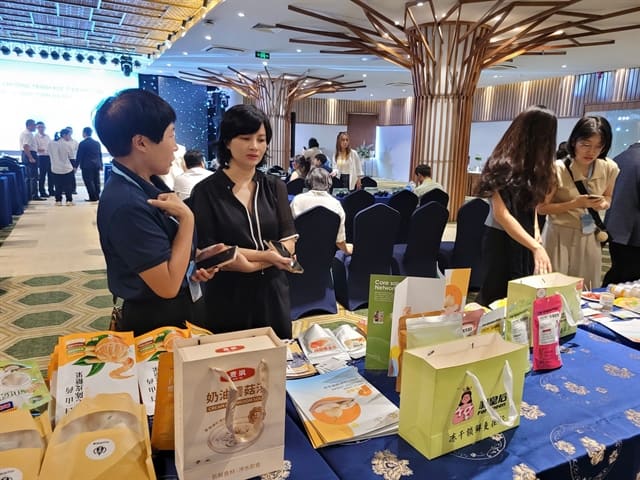
Hebei Province and Vietnam are steering their agricultural relationship toward a more sophisticated model. Rather than continuing with straightforward commodity exchanges, both sides are exploring integrated supply chains, joint processing facilities, and shared value-addition initiatives that reflect the maturing commercial ties between the Chinese province and Southeast Asia's rising economy.
The shift builds on established trade flows, complementary production capabilities, and recent improvements in cross-border logistics. Hebei, a major agricultural producer in northern China with significant output in grains, vegetables, and livestock products, has identified Vietnam as a strategic partner for deeper engagement. Vietnam brings tropical fruit, coffee, seafood, and rice varieties that align with Chinese consumer demand, while its growing food processing sector offers opportunities for collaborative ventures.
Complementary Strengths Drive New Models
The two regions possess product portfolios that naturally complement one another. Hebei's temperate agriculture yields wheat, corn, dairy, and poultry, while Vietnam specializes in tropical and subtropical crops such as dragon fruit, durian, cashews, and robusta coffee. This diversity creates space for reciprocal trade rather than direct competition, a foundation that both sides are leveraging to explore joint ventures in cold chain logistics, packaging technology, and food safety standards.
Recent enhancements in transport infrastructure have shortened delivery times and reduced spoilage rates, making perishable goods trade more viable. Rail links connecting northern Vietnam to Hebei, combined with expanded border inspection facilities, have streamlined customs procedures and cut transit delays. These logistical improvements underpin the feasibility of moving from spot market transactions to long-term supply agreements and co-investment in processing plants.
From Trade to Value Addition
The strategic pivot centers on moving upstream and downstream in the agricultural value chain. Instead of exporting raw produce and importing finished goods, both sides are exploring co-location of processing facilities, shared quality control systems, and joint branding initiatives. For Hebei enterprises, this means access to tropical raw materials and a foothold in ASEAN markets. For Vietnamese producers, it offers technology transfer, capital investment, and entry into China's vast consumer base.
Early pilots include joint cold storage facilities near border crossings, collaborative research on pest management and crop varieties, and coordinated marketing campaigns targeting urban consumers in both countries. These initiatives aim to capture more margin at each stage of the supply chain, reduce waste, and build resilience against price volatility.
Policy and Market Context
The agricultural collaboration unfolds against a backdrop of broader economic integration between China and ASEAN. Trade agreements have lowered tariffs on many agricultural products, while phytosanitary protocols have been harmonized to ease cross-border movement. Both Hebei authorities and Vietnamese trade officials have signaled support for enterprise-led partnerships, offering incentives for joint ventures and co-investment in infrastructure.
Consumer trends in China, particularly rising demand for fresh tropical fruit and premium coffee, provide tailwinds for Vietnamese exports. At the same time, Vietnam's growing middle class and expanding food service sector create demand for dairy, processed meats, and convenience foods where Hebei producers hold competitive advantages.
What Comes Next
The success of this deeper engagement will depend on sustained investment in logistics, transparent regulatory frameworks, and trust-building between enterprises on both sides. Trade volumes alone are no longer the primary metric; instead, both sides are measuring progress by the number of joint ventures launched, the share of processed versus raw goods traded, and the speed at which new products move from farm to consumer.
As Hebei and Vietnam navigate this transition, they are setting a template for regional agricultural cooperation that prioritizes integration over simple exchange. The model, if it proves durable, could offer lessons for other provinces and countries across Asia seeking to capture more value from agricultural trade.
RELATED STORIES

Google Plans Full Exit From China Manufacturing for Pixel Devices by 2027
Cheng Wei-Lun · 3 min

Canadian Lobster Imports Surge in Vietnam on Price Advantage
Priyanka V. Rao · 3 min
Vietnam Faces $230 Billion Export Sprint to Salvage 2026 Growth Target
Tran Quoc Bao · 2 min

Nokia to Exit Mainland China Operations Before Year End
Cheng Wei-Lun · 3 min
Spot something wrong? Email editor@briefasia.com. We log every correction publicly.