Finance · Markets
Yen Faces Pressure as BOJ Policy Stance Falls Short of Market Expectations
The Japanese currency remains exposed to volatility as traders assess the central bank's latest signals while domestic markets enter a holiday period
KEY TAKEAWAYS
- ·The yen remains under pressure after the Bank of Japan delivered policy guidance that fell short of market expectations for a clearer tightening path.
- ·Thin holiday trading in Tokyo removes domestic institutional support, leaving the currency vulnerable to amplified moves driven by overseas desks.
- ·Speculative positioning and persistent interest rate differentials with the US continue to weigh on the yen absent proactive intervention or stronger economic data.
Policy Signal Misses the Mark
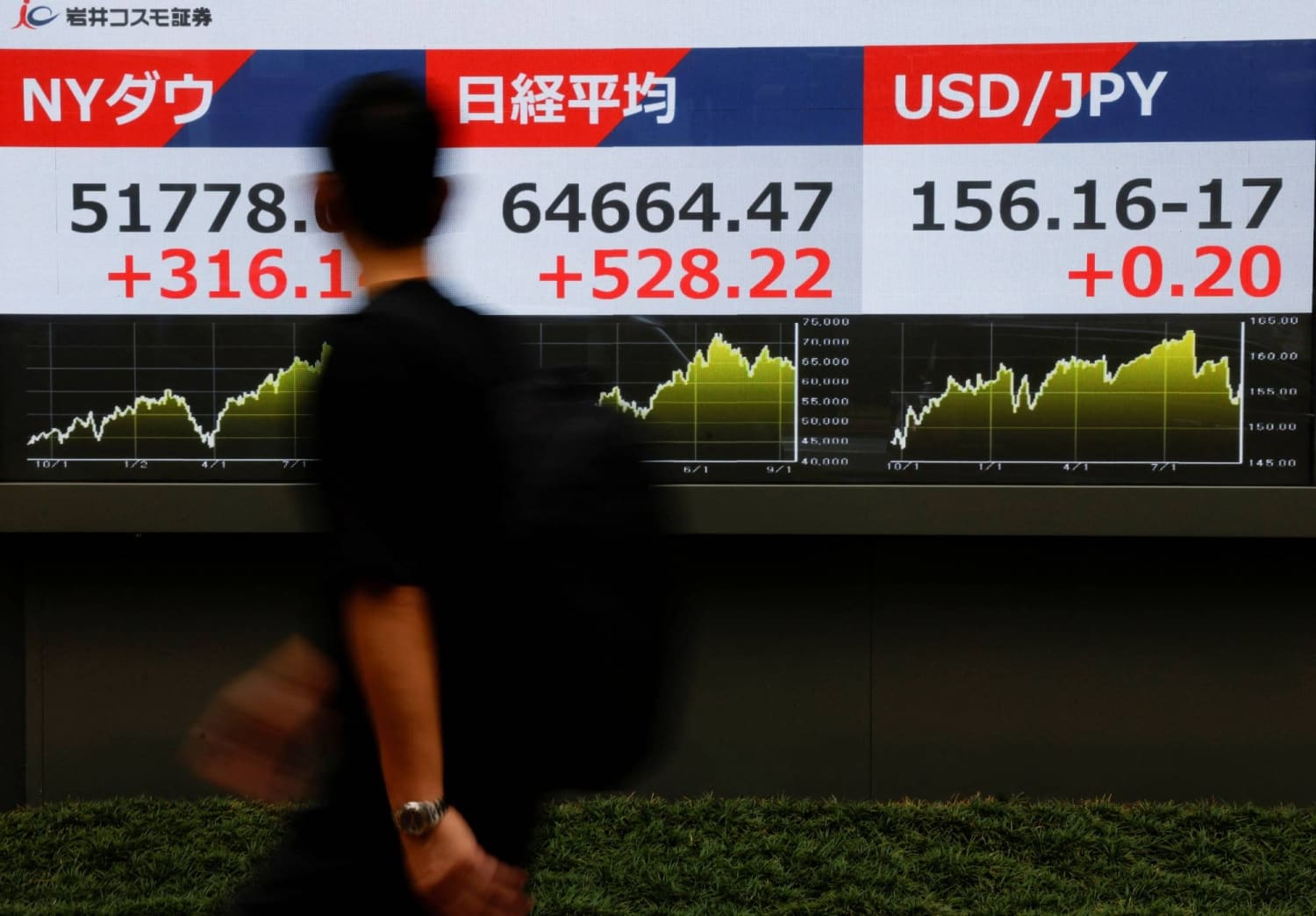
The Japanese yen faces renewed pressure after the Bank of Japan delivered a policy stance that underwhelmed market participants expecting clearer signals on monetary tightening. With Japanese markets entering a holiday period, liquidity conditions are thinning precisely when the currency needs stabilising support.
The BOJ's latest communication fell short of providing the hawkish pivot that currency traders had positioned for in recent weeks. While the central bank acknowledged ongoing inflationary pressures and wage growth dynamics, its forward guidance stopped short of committing to a timeline for further policy normalisation. That ambiguity has left the yen exposed at a moment when trading volumes typically decline.
The timing compounds the challenge. Japanese markets will be closed for a national holiday, removing a significant pool of domestic institutional buyers who might otherwise provide a natural floor for the currency. Overseas trading desks will drive price action, and in low-liquidity environments, moves tend to be exaggerated.
Currency strategists note that the yen has been caught between two opposing forces this year. On one side, Japan's gradual exit from ultra-loose monetary policy has theoretically supported the currency. On the other, persistent interest rate differentials with the United States and other major economies continue to make yen-funded carry trades attractive, pulling capital away from Japanese assets.
Market Positioning and Vulnerability
Speculative positioning data shows that hedge funds and asset managers had built up modest long yen positions ahead of the BOJ meeting, anticipating a more definitive shift in language. That positioning now looks premature, and the risk of a reversal in those trades adds to downward pressure.
The yen's vulnerability is not solely a function of BOJ policy. External factors, including the resilience of the US economy and expectations that the Federal Reserve will maintain restrictive policy longer than previously forecast, have kept the dollar supported across the board. Against that backdrop, the yen needs proactive support from Japanese policymakers to avoid sliding further.
Intervention remains a tool in the Ministry of Finance's arsenal, though officials have been reluctant to deploy it absent clear evidence of disorderly market conditions. Past interventions have provided only temporary relief, and there is limited appetite in Tokyo to expend foreign exchange reserves on what might prove a futile effort to resist market fundamentals.
What Comes Next
The immediate outlook hinges on how markets interpret the BOJ's latest stance once full liquidity returns. If traders conclude that the central bank remains too cautious, the yen could test recent lows against the dollar. Conversely, any signs that inflation is running hotter than expected, or that wage negotiations are producing larger-than-anticipated gains, could revive expectations of a more aggressive policy path.
Japan's economic data calendar over the coming weeks will be critical. Manufacturing sentiment, export figures, and household spending numbers will all feed into the BOJ's assessment of whether the economy can withstand tighter financial conditions. For now, the central bank appears to be prioritising caution over speed, a stance that leaves the yen in a precarious position.
Currency markets will also be watching for any verbal intervention from Japanese officials. While direct market operations are costly and often ineffective, coordinated messaging from the BOJ and the Ministry of Finance can sometimes temper speculative excess. Whether that will be enough to stabilise the yen in a holiday-thinned market remains an open question.
The yen's trajectory in the near term will reflect not just domestic policy choices, but the broader interplay of global interest rate expectations, risk sentiment, and the structural shifts in Japan's economy as it moves away from decades of deflation. For traders, the combination of policy ambiguity and reduced liquidity creates both risk and opportunity.
RELATED STORIES

Yen Climbs to Eight-Month High as Rate Hike Expectations Shift Sentiment
Jun-ho Seo · 3 min

Japan's Inflation Eases to 1.7% as Bank Weighs First Rate Rise in Decades
Aiko Nakamura · 3 min

Bank of Japan Prepares Third Rate Increase in Ten Months
Aiko Nakamura · 3 min

Japan's Central Bank and Markets Diverge on Rate Hike Trajectory
Aiko Nakamura · 3 min
Spot something wrong? Email editor@briefasia.com. We log every correction publicly.