Asia · Trade
Asean Advances Upgraded Goods Trade Pact to Late 2026
Regional bloc accelerates implementation of ATIGA revisions by six months to ease cross-border commerce amid global economic uncertainty
KEY TAKEAWAYS
- ·Asean economic ministers agreed to implement the upgraded Asean Trade in Goods Agreement by late 2026, six months earlier than the original 1 June 2027 target.
- ·The revised framework introduces updated customs procedures and supply chain rules designed to reduce barriers for businesses selling goods across the ten-member bloc.
- ·Ministers also laid groundwork for reviewing the services trade agreement and finalising a digital economy pact expected for signature in November 2026.
Implementation Moved Forward Six Months
Asean economic ministers have agreed to accelerate the rollout of an upgraded regional trade framework, moving the target date to late 2026 from the originally scheduled 1 June 2027. The decision emerged from ministerial talks in Manila that began on 19 September, where trade officials from the ten-member bloc committed to advancing the revised Asean Trade in Goods Agreement.
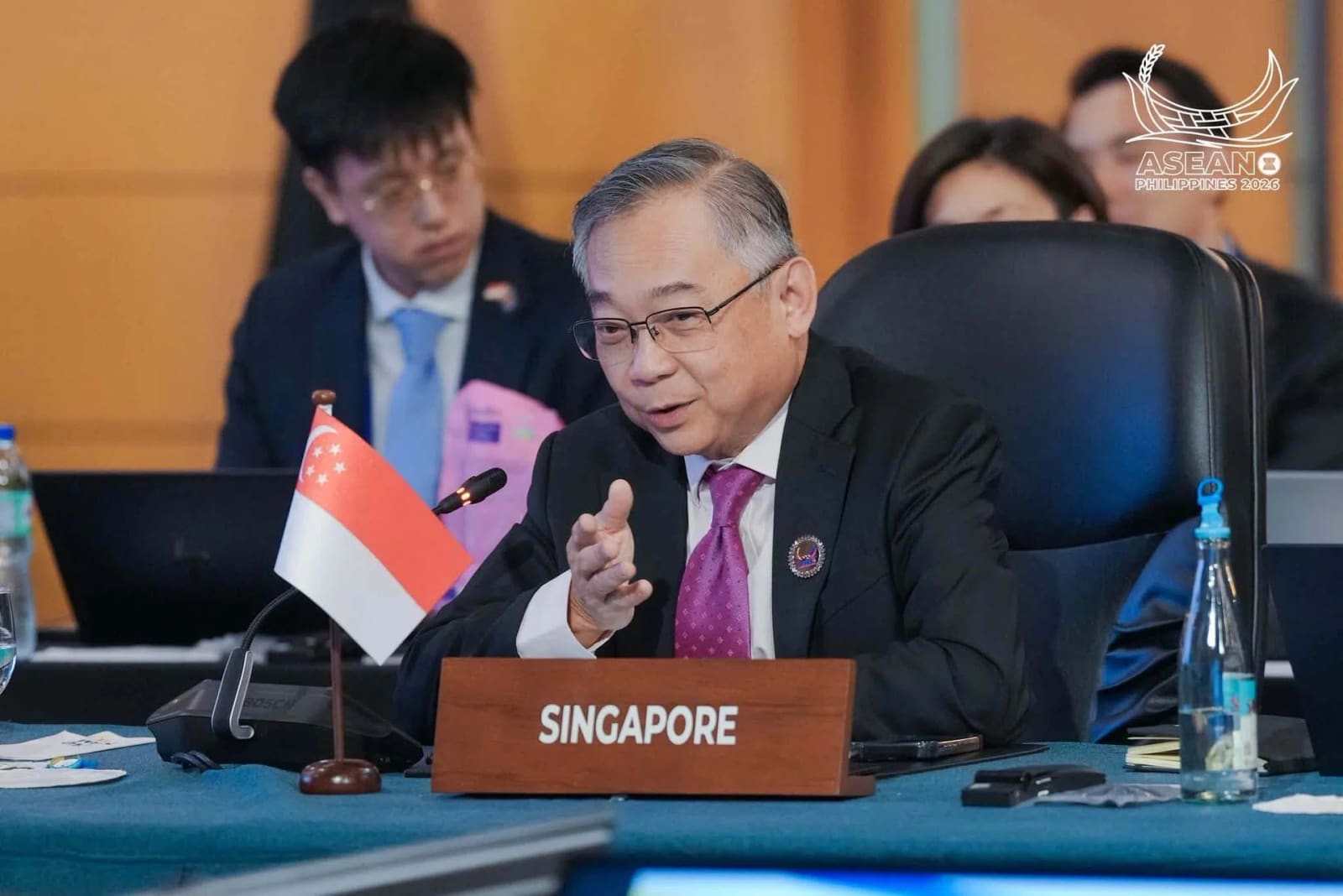
Singapore Deputy Prime Minister Gan Kim Yong, who also serves as Minister for Trade and Industry (Trade), confirmed the agreement following the first day of the Asean Economic Ministers' Meeting. The upgraded pact was initially set to take effect eighteen months after signing, but member states opted to compress the timeline by approximately six months.
The acceleration reflects Asean's push to deepen intra-regional trade flows at a time when global economic conditions remain volatile. The revised ATIGA framework introduces updated provisions on customs procedures, supply chain coordination, and administrative measures designed to reduce friction in cross-border goods movement.
Scope of the Upgraded Framework
The Asean Trade in Goods Agreement governs how products move between the bloc's member economies, setting common standards to lower tariff and non-tariff barriers. The upgraded version builds on existing provisions with refinements aimed at streamlining regulatory compliance and improving transparency for businesses operating across multiple jurisdictions.
According to Gan, the earlier implementation timeline will give companies faster access to simplified border procedures and expanded market reach across South-east Asia. The ten Asean economies collectively represent a market of more than 680 million people, with combined gross domestic product exceeding USD 3.6 trillion.
The ministerial meeting in Manila, which runs through 22 September, also set the stage for a review of the Asean Trade in Services Agreement. Officials emphasised the need to ensure services trade rules keep pace with structural shifts in regional economies, particularly as digital platforms and professional services gain prominence.
Digital Economy Pact on Track for November
Ministers also discussed implementation planning for the Asean Digital Economy Framework Agreement, expected to be signed when heads of state convene in Manila in November. That agreement covers e-commerce, digital payments, cross-border data flows, and cybersecurity standards, with the goal of enabling seamless digital transactions across the region.
Gan stressed the importance of translating digital policy commitments into tangible benefits for businesses and consumers. The framework is part of a broader effort to harmonise regulatory approaches to technology-enabled commerce, an area where divergent national rules have historically created compliance costs.
The push to finalise digital economy rules comes as Asean economies continue to see rapid growth in online commerce and fintech adoption. Several member states have introduced national digital economy strategies in recent years, but coordination at the regional level has lagged behind domestic initiatives.
Regional Integration Amid Global Flux
The decision to fast-track the upgraded goods agreement signals Asean's determination to strengthen internal economic linkages even as external trade relationships face uncertainty. Gan framed the move as part of a broader commitment to deeper regional integration and more robust partnerships beyond South-east Asia.
Trade ministers are scheduled to meet with dialogue partners and external counterparts over the coming days of the Manila gathering. Those discussions will include representatives from major trading partners such as China, Japan, South Korea, and the United States, as well as regional groupings including the European Union.
Asean has long pursued a strategy of maintaining open trade channels with multiple partners while deepening internal connectivity. The bloc is party to several mega-regional pacts, including the Regional Comprehensive Economic Partnership, which took effect in 2022 and links Asean with five major Asia-Pacific economies.
The accelerated ATIGA timeline will require member states to complete domestic ratification and regulatory adjustments within the next three months. Implementation will involve coordination among customs agencies, trade ministries, and business chambers across the ten economies to ensure consistent application of the new provisions when they take effect.
RELATED STORIES

Five ASEAN Members Back Regional Oil Stockpile as Study Nears Completion
Tran Quoc Bao · 3 min
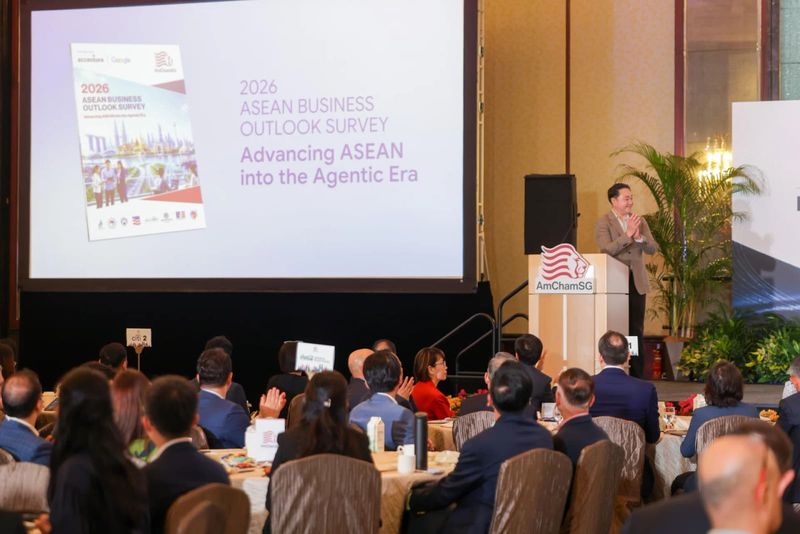
Southeast Asian Firms Overlook Digital Pact Worth USD 2 Trillion
Lim Hui Ying · 4 min

Vietnam Draws $7.5 Billion From Singapore in Seven Months
Priyanka V. Rao · 3 min
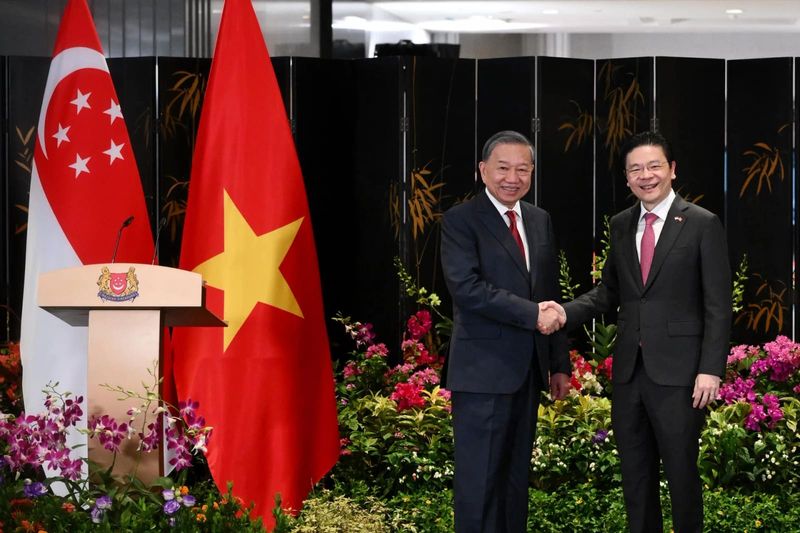
Singapore and Vietnam Launch Strategic Dialogue on Talent and Technology
Priyanka V. Rao · 3 min
Spot something wrong? Email editor@briefasia.com. We log every correction publicly.