Asia · Trade
Japan, ASEAN Explore Trade Pact Expansion Amid Supply Chain Push
Manila meeting signals potential broadening of economic ties as regional partners seek deeper cooperation on energy, AI, and manufacturing resilience
KEY TAKEAWAYS
- ·Japan and ASEAN are examining expansion of their 2008 trade pact, with discussions in Manila covering energy security, artificial intelligence, and supply chain coordination.
- ·Potential additions include updated digital trade rules, critical minerals access, standards alignment for emerging technologies, and investment screening clarity across the region.
- ·No formal negotiating mandate or timeline has been announced; consensus-building continues among ASEAN's ten members, with a scoping paper expected in coming months.
Regional Partners Eye Broader Economic Ties
Japan and the ten-member Association of Southeast Asian Nations are examining the scope for expanding their bilateral trade agreement, a move that would deepen economic integration between Tokyo and a region that accounts for a significant share of its manufacturing footprint and export markets.
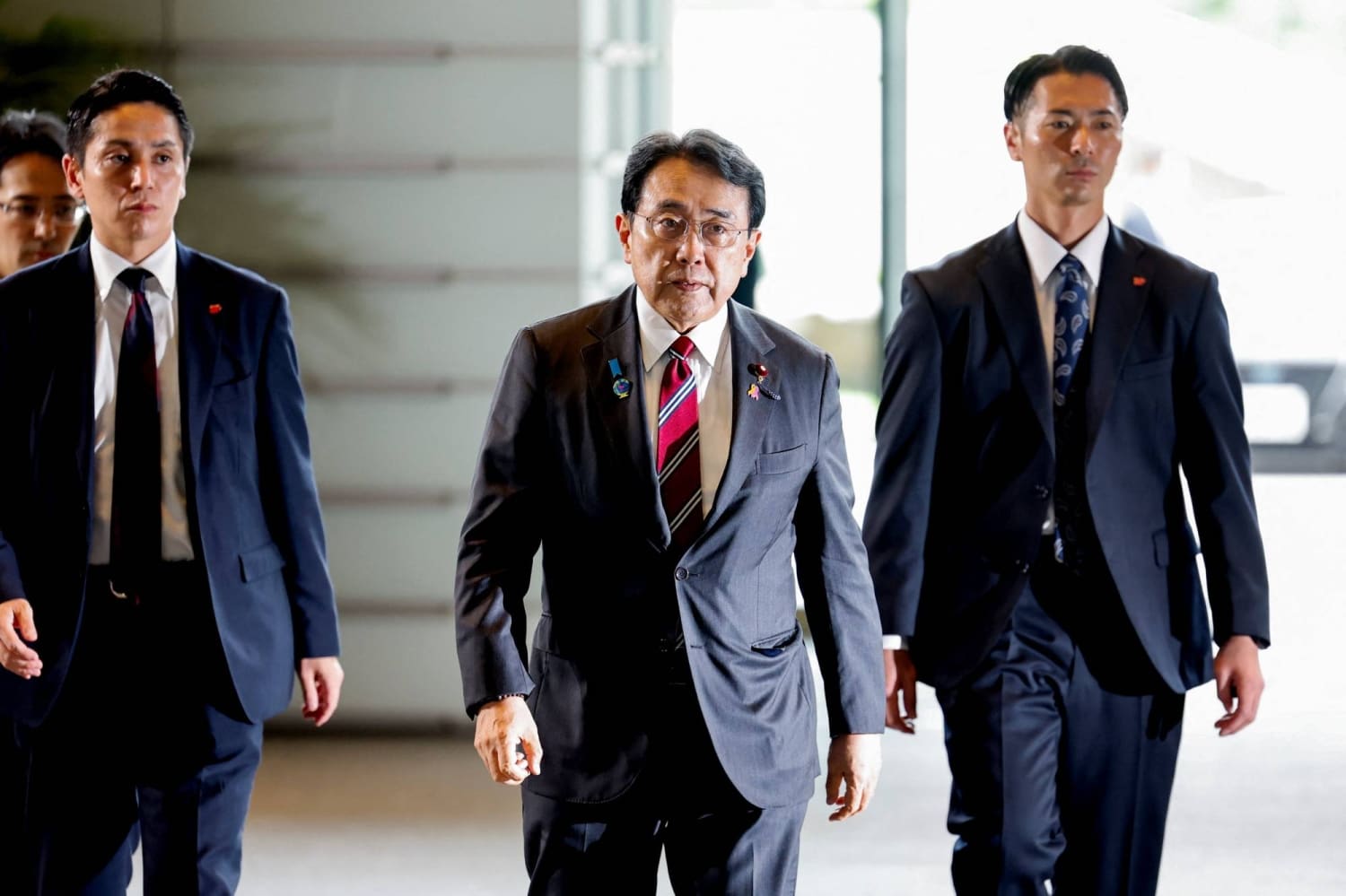
Trade minister Ryosei Akazawa confirmed the discussions following a ministerial meeting in Manila on 21 September, noting that participants expressed clear interest in broadening cooperation beyond traditional tariff reductions. The areas under consideration include energy security, artificial intelligence development, and supply chain coordination, fields that have gained urgency as governments across Asia reassess dependencies exposed during recent global disruptions.
The existing Japan-ASEAN Comprehensive Economic Partnership agreement, in force since 2008, covers goods, services, investment, and some regulatory harmonisation. An expansion would likely involve deeper commitments in digital trade, critical minerals access, and standards alignment for emerging technologies, though specifics remain under negotiation.
Energy and Technology at the Centre
Energy security has become a priority for both sides. Japan imports liquefied natural gas and coal from Indonesia, Malaysia, and Brunei, while several ASEAN members are exploring nuclear partnerships and hydrogen supply chains in which Japanese firms hold technical leadership. The Philippines and Vietnam have signalled interest in Japanese reactor technology and offshore wind development, creating potential for joint ventures that would benefit from streamlined regulatory pathways.
Artificial intelligence cooperation appears focused on infrastructure and talent. Japan faces labour shortages that AI adoption is meant to address, while ASEAN nations are building data centre capacity and seeking to move up the value chain in semiconductor assembly and testing. A trade pact covering data flows, computing standards, and cross-border AI services would reduce friction for companies operating in multiple jurisdictions.
Supply chain resilience remains the most concrete driver. Japanese manufacturers have clustered production in Thailand, Vietnam, and Malaysia, but recent experience with chip shortages, logistics snarls, and export controls has prompted a rethink of single-country dependencies. Expanding the trade pact could facilitate diversification within the region, allowing firms to shift assembly or source components across borders with fewer tariff or customs hurdles.
What an Expansion Might Contain
Trade officials from both sides have not released a formal negotiating mandate, but industry groups and policy institutes have outlined areas where the current agreement falls short. Digital trade rules in the 2008 pact predate the cloud era and do not address data localisation requirements that have proliferated across ASEAN. Updating these provisions would align with the Digital Economy Partnership Agreement framework that Singapore, New Zealand, and Chile pioneered.
Investment screening and national security carve-outs are another likely focus. Several ASEAN governments have introduced or tightened foreign investment reviews in sectors deemed strategic, a trend mirrored in Japan. Clarifying which measures are permissible under the trade pact would reduce uncertainty for investors and avoid disputes.
Standards and certification mutual recognition could also feature. Japan maintains rigorous product safety and quality standards; ASEAN members often require separate testing and approval. Expanding mutual recognition agreements for electronics, automotive parts, and pharmaceuticals would cut costs and speed time to market, particularly for small and medium enterprises that lack the resources to navigate multiple regimes.
Timing and Regional Context
The timing reflects broader shifts in regional trade architecture. The Regional Comprehensive Economic Partnership, which includes Japan, ASEAN, China, South Korea, Australia, and New Zealand, took effect in 2022 but has seen uneven implementation. Some members have been slow to ratify or adopt the agreement's digital and services chapters. A Japan-ASEAN expansion could serve as a faster-moving parallel track, setting benchmarks that feed back into RCEP or influence other negotiations.
Geopolitical considerations are implicit. The United States exited the Trans-Pacific Partnership in 2017 and has not rejoined its successor, the Comprehensive and Progressive Agreement for Trans-Pacific Partnership, leaving a gap in trans-Pacific trade leadership. Japan and ASEAN members that are CPTPP participants, including Vietnam, Malaysia, and Singapore, see value in deepening intra-Asian ties as a hedge.
China's influence is another factor. Beijing is ASEAN's largest trading partner by goods volume, and Chinese firms dominate supply chains for batteries, solar panels, and consumer electronics assembly in the region. A strengthened Japan-ASEAN pact would offer an alternative anchor, particularly for governments wary of over-reliance on a single large partner.
Next Steps
No timeline for concluding an expanded agreement has been announced. Trade pacts of this complexity typically require multiple rounds of negotiation, stakeholder consultations, and legislative approval in each participating country. Japan's trade ministry is expected to circulate a scoping paper in the coming months, outlining proposed chapters and inviting ASEAN counterparts to indicate priorities.
Business groups in both Japan and ASEAN have generally welcomed the prospect of an upgrade, though concerns exist. Smaller ASEAN economies worry that deeper integration could favour firms from Japan, Singapore, and Thailand that already have scale and technical capacity. Labour and environmental standards, which Japan has pushed in other trade talks, could face resistance from members with different regulatory philosophies.
The Manila meeting did not produce a joint communiqué committing to a formal negotiation launch, suggesting that consensus-building is still under way. ASEAN operates by consensus, and any member can slow or block progress. What is clear is that both sides see economic logic in a closer partnership, and the next twelve months will reveal whether that logic translates into a negotiating mandate.
RELATED STORIES
China Imposes Anti-Dumping Measures on Japanese Semiconductor Chemical Imports
Jun-ho Seo · 3 min

Berkshire Hathaway Eyes Larger Stakes in Japan's Top Trading Houses
Cheng Wei-Lun · 3 min
Japan's August Exports Rise 19.3% on Semiconductor Demand
Aiko Nakamura · 3 min

Honda and Nissan Align on Software-Defined Vehicle Development
Cheng Wei-Lun · 2 min
Spot something wrong? Email editor@briefasia.com. We log every correction publicly.