Technology · Dev
Honda and Nissan Align on Software-Defined Vehicle Development
Japanese automakers plan to standardize operating systems for deployment by fiscal 2029 after two years of negotiations
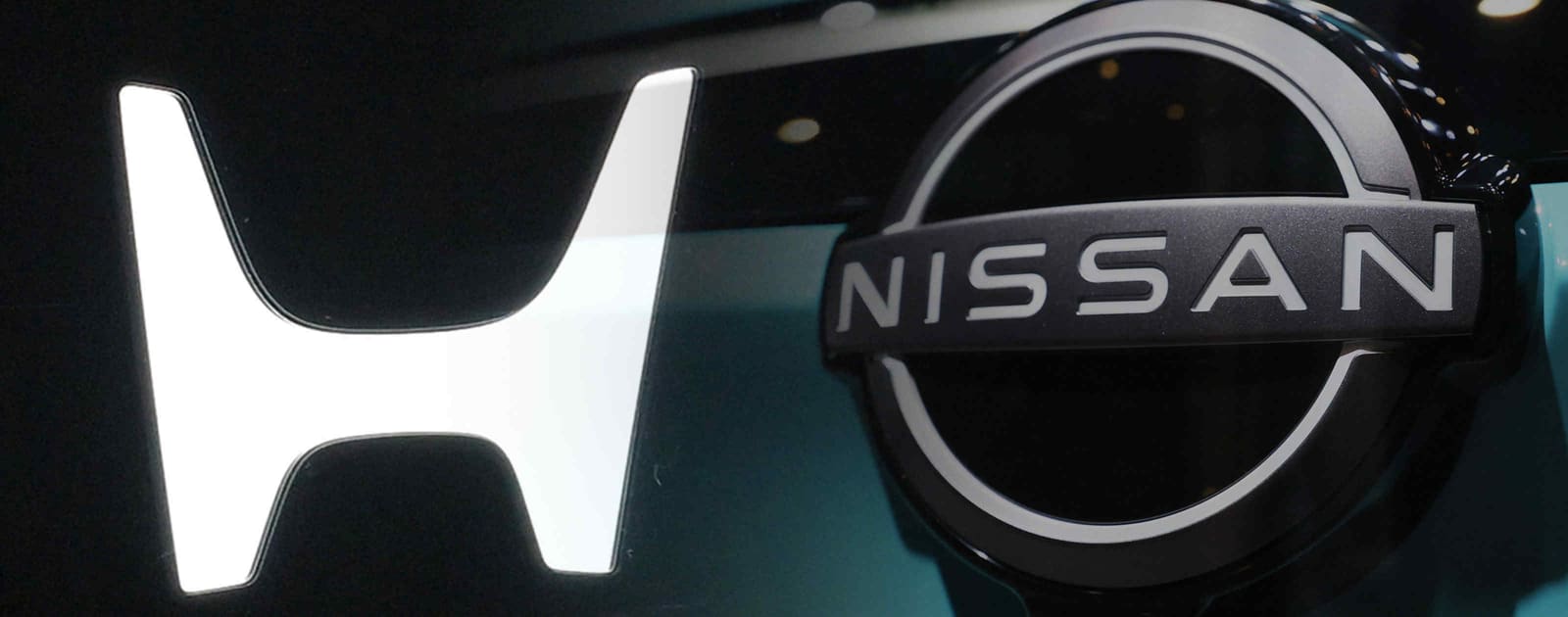
KEY TAKEAWAYS
- ·Honda Motor and Nissan Motor finalized a collaboration agreement on software-defined vehicles with standardized operating systems targeted for deployment in fiscal year 2029.
- ·The partnership aims to achieve development scale necessary to compete with Chinese and American rivals who have already integrated software-defined architectures into production vehicles.
- ·The fiscal 2029 timeline positions Japanese manufacturers several years behind competitors like BYD and Tesla in software-first vehicle design.
Two Years in the Making
Honda Motor and Nissan Motor announced Monday they have finalized a collaboration agreement focused on software-defined vehicles, bringing closure to two years of negotiations between Japan's second and third-largest automakers. The partnership centers on standardizing operating systems across both manufacturers' vehicle lineups, with initial deployment planned for fiscal year 2029.
The agreement marks a significant shift in how traditional Japanese automakers approach the software challenge that has reshaped global automotive competition. Software-defined vehicles, which rely on centralized computing platforms and over-the-air updates rather than fixed hardware configurations, have become the new battleground as Chinese manufacturers and Tesla pull ahead in digital capabilities.
Scale as Strategy
By pooling resources, Honda and Nissan aim to achieve the development scale necessary to compete with rivals who have already committed billions to proprietary software platforms. The standardized operating system will form the foundation for future vehicle functions, from driver assistance features to infotainment systems and vehicle-to-grid integration.
Neither company disclosed financial terms or specific technical architectures, but the fiscal 2029 target suggests production vehicles incorporating the joint platform could reach showrooms within three years of deployment. That timeline positions the Japanese manufacturers several years behind Chinese competitors like BYD and Geely, which have already integrated software-defined architectures into mass-market models.
The collaboration follows a broader industry pattern across Asia, where automakers facing similar competitive pressures have pursued partnerships rather than solo development. Scale matters in software: larger user bases generate more data for machine learning, spread development costs across more units, and attract top engineering talent.
The Asia Context
Japan's automotive sector has watched its historic advantages in manufacturing efficiency and quality control lose relevance as the industry's center of gravity shifts toward software competence. Chinese manufacturers, backed by deep integration with domestic tech companies and supportive industrial policy, have moved faster to adopt software-first vehicle designs.
Honda and Nissan had previously announced separate partnerships with autonomous driving startups, aiming to narrow the gap with American and Chinese competitors. This latest agreement suggests those earlier efforts proved insufficient, prompting a more fundamental collaboration at the operating system level.
The two-year negotiation period reflects the complexity of aligning development roadmaps, technical standards, and corporate cultures between manufacturers that have historically competed directly. Honda has pursued a more cautious approach to electrification and autonomy, while Nissan committed earlier to electric vehicles through its Leaf program and the now-dissolved alliance with Renault.
What Comes Next
The fiscal 2029 deployment target leaves significant questions unanswered. Both companies must now align their vehicle architecture roadmaps, integrate supplier networks, and decide how much differentiation each brand will maintain atop the shared software foundation. The success of the collaboration will depend on execution speed, the technical capabilities of the final platform, and whether three years proves sufficient to close the gap with competitors who have already shipped multiple software generations.
For Asia's automotive industry, the Honda-Nissan agreement signals that even large, well-capitalized manufacturers recognize they cannot match the development velocity of software-native competitors alone. Whether collaboration delivers the scale and speed required remains the open question that will define Japan's position in the next phase of automotive competition.
RELATED STORIES

SK Hynix Eyes Deeper Collaboration With Japan's Chip Sector
Cheng Wei-Lun · 4 min
Indian AI Firm Commits $8 Billion to Nvidia Infrastructure Buildout
Priyanka V. Rao · 3 min
Taiwan Indicts Nvidia Manager in Chip-Smuggling Investigation
Cheng Wei-Lun · 4 min

Itochu and Taiwan IT Leader Back Taiwanese Chip Firms' Kyushu Push
Cheng Wei-Lun · 3 min
Spot something wrong? Email editor@briefasia.com. We log every correction publicly.